AFEN Marketplace Airdrop: Is It Real or a Scam in 2026?
 May, 1 2026
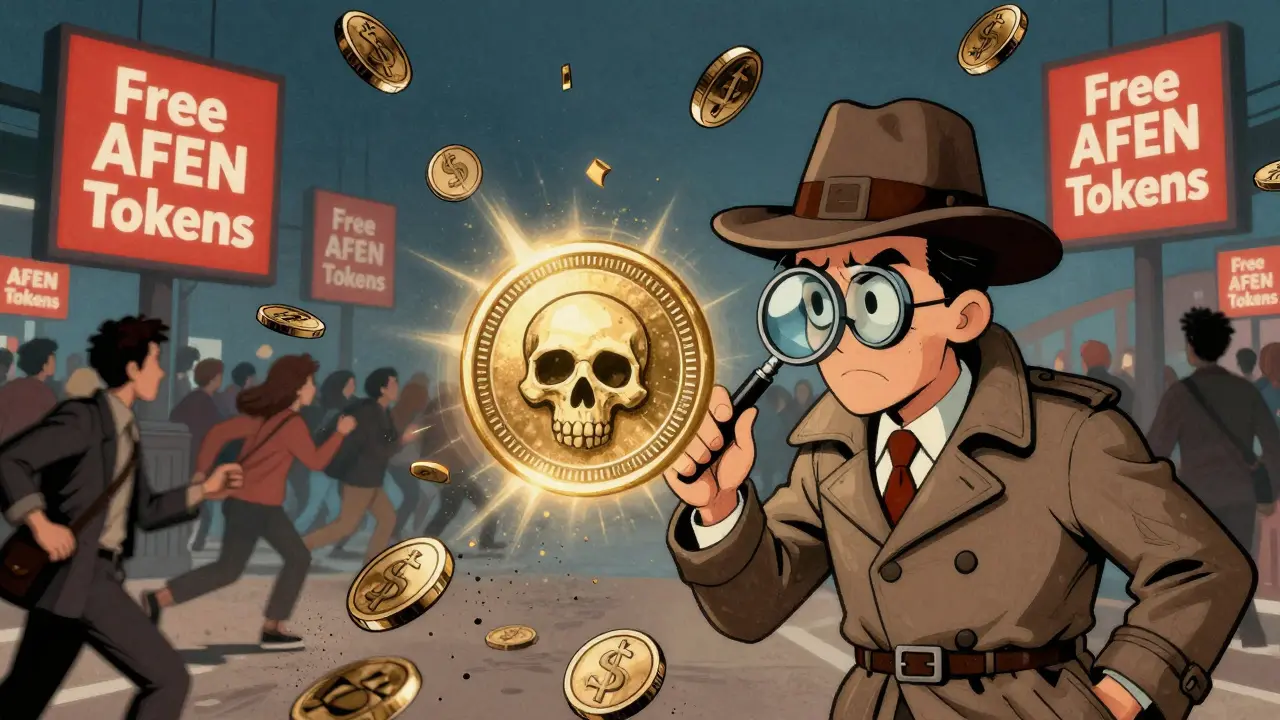
If you have seen social media posts promising free tokens from the AFEN Marketplace airdrop, stop and read this carefully. As of May 2026, there is no credible evidence that an AFEN Blockchain Network exists as a legitimate project. Major industry trackers like CoinGecko, WeEX, and Dropstab do not list it. This silence is not an oversight; it is a massive red flag. In the world of crypto, if a major airdrop is real, the entire internet knows about it. If nobody knows about it, it is likely a trap designed to steal your private keys or drain your wallet.
The Silence of the Experts
Legitimate airdrops are loud. Projects like EigenLayer or Hyperliquid announce their distributions through official blogs, verified Twitter accounts, and detailed whitepapers. They have thousands of developers building on them and millions of users discussing qualification strategies on Reddit and Discord. The AFEN Marketplace has none of this. It does not appear on any reputable airdrop tracking platform. It has no documented tokenomics, no smart contract audits, and no recognizable team behind it. When a project claims to be a "blockchain network" but leaves zero digital footprint across authoritative sources, you should assume it is fraudulent until proven otherwise. And in this case, all signs point to fraud.
How Fake Airdrop Scams Work
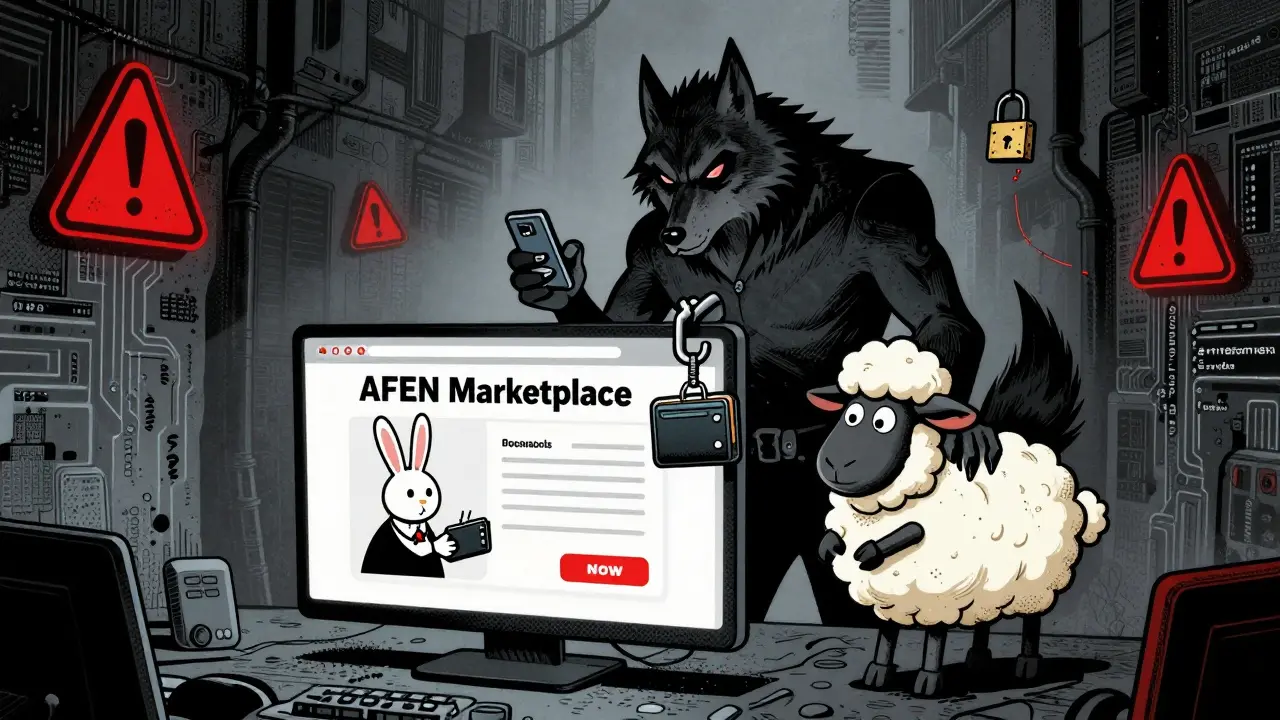
Scammers create fake websites that look professional. They use names that sound similar to established projects to confuse you. They promise huge rewards for simple tasks like connecting your wallet or signing a transaction. Here is what actually happens when you interact with these scams:
- Wallet Drainers: You connect your MetaMask or Trust Wallet to a malicious site. The site asks for permission to spend unlimited tokens. Once granted, it instantly transfers everything in your wallet to the scammer's address.
- Phishing for Keys: The site asks you to enter your seed phrase or private key to "claim" your reward. Never do this. Legitimate platforms never ask for your private keys.
- Malicious Approvals: You sign a transaction that looks harmless but actually gives the scammer control over your assets. This can happen even if you don't send funds directly.
These methods are common because they work. Thousands of people lose money every month to fake airdrops. The AFEN Marketplace fits this pattern perfectly. It offers something for nothing, requires personal access to your wallet, and lacks any verifiable identity.
Red Flags to Watch For
You can spot most fake airdrops by looking for specific warning signs. Apply this checklist to any project claiming to offer free tokens:
- No Official Presence: Does the project have a verified website, GitHub repository, and active developer community? If not, walk away.
- Vague Tokenomics: Legitimate projects publish clear details about total supply, distribution percentages, and vesting schedules. AFEN has none of this information.
- Urgency Tactics: Scammers often claim the airdrop is "ending soon" or "limited to first 100 users." This pressure is designed to make you act without thinking.
- Social Media Anomalies: Check the project's social channels. Are the followers real? Do the comments look bot-generated? Fake projects often buy fake engagement to look popular.
- Unverified Contracts: Real projects deploy contracts on block explorers like Etherscan or Solscan. These contracts are usually audited by firms like CertiK or OpenZeppelin. No such audits exist for AFEN.
If a project fails even one of these checks, treat it with extreme caution. If it fails multiple, consider it a confirmed scam.
Real Airdrops vs. Fake Promises
To understand why AFEN is suspicious, compare it to legitimate marketplace airdrops from recent years. Magic Eden, for example, distributed 12.5% of its ME token supply to early users. This was announced months in advance, tracked by hundreds of analysts, and executed through transparent smart contracts. OpenEden distributed 15 million EDEN tokens to BNB holders, with full documentation available on their official blog. These projects had history, transparency, and community trust. AFEN has none of these elements. It appears out of nowhere, promises unrealistic rewards, and disappears when questioned. This is the hallmark of a rug pull or phishing operation.
| Feature | Legitimate Project (e.g., Magic Eden) | Suspicious Project (e.g., AFEN) |
|---|---|---|
| Official Documentation | Yes, detailed whitepaper and blog posts | No, vague or missing |
| Smart Contract Audit | Yes, by reputable firms | No, unverified code |
| Community Discussion | High, on Reddit/Twitter/Discord | Low or non-existent |
| Tokenomics Transparency | Clear supply and distribution plan | Hidden or undefined |
| Team Identity | Public, known developers | Anonymous or fake profiles |
Protecting Your Crypto Assets
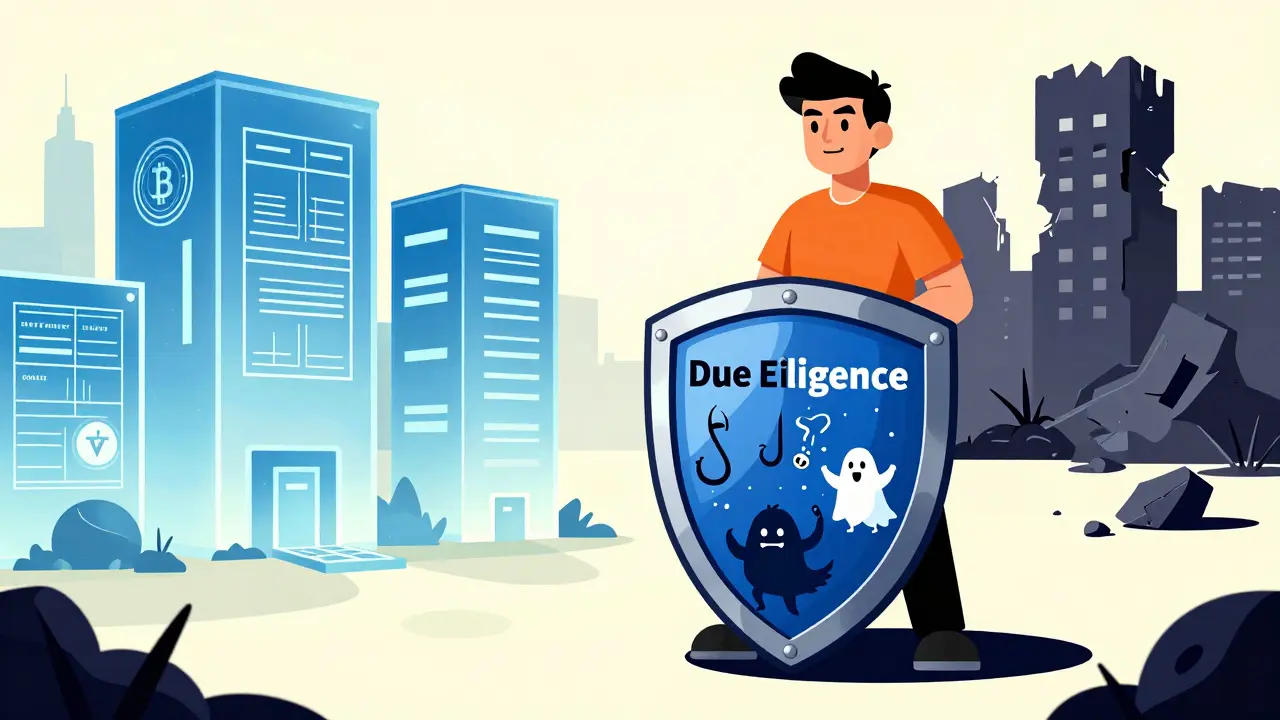
Your best defense against scams is education and caution. Always verify projects through multiple independent sources before interacting with them. Use dedicated burner wallets for testing new protocols, keeping your main holdings separate. Enable two-factor authentication on all exchange accounts. Never share your seed phrase with anyone, ever. If an opportunity sounds too good to be true, it almost certainly is. The crypto space moves fast, but patience and due diligence will save you more money than chasing rumors ever will.
Is the AFEN Marketplace airdrop real?
No, there is no credible evidence that the AFEN Marketplace airdrop is real. It does not appear on any major airdrop tracking platforms, has no official documentation, and shows all signs of being a scam.
What is the AFEN Blockchain Network?
The AFEN Blockchain Network appears to be a fictional entity created by scammers. There is no verifiable blockchain, team, or technology associated with this name in legitimate crypto databases.
How can I identify a fake airdrop?
Look for missing official documentation, lack of smart contract audits, anonymous teams, and excessive urgency. If a project is not listed on reputable trackers like CoinGecko or WeEX, it is likely fake.
Should I connect my wallet to the AFEN website?
Absolutely not. Connecting your wallet to an unverified site can lead to immediate theft of your assets through malicious approvals or drainers.
Where can I find legitimate airdrop opportunities?
Use trusted platforms like CoinGecko, WeEX, Dropstab, and official project announcements. Always cross-reference information with community discussions on Reddit and Twitter.
What should I do if I already interacted with the AFEN site?
Immediately revoke all approvals using tools like Revoke.cash, move your remaining funds to a new wallet, and change passwords for any linked accounts. Monitor your transaction history closely.