Afghanistan Crypto Ban: Why the Taliban Prohibited Bitcoin in 2022
 Sep, 29 2026
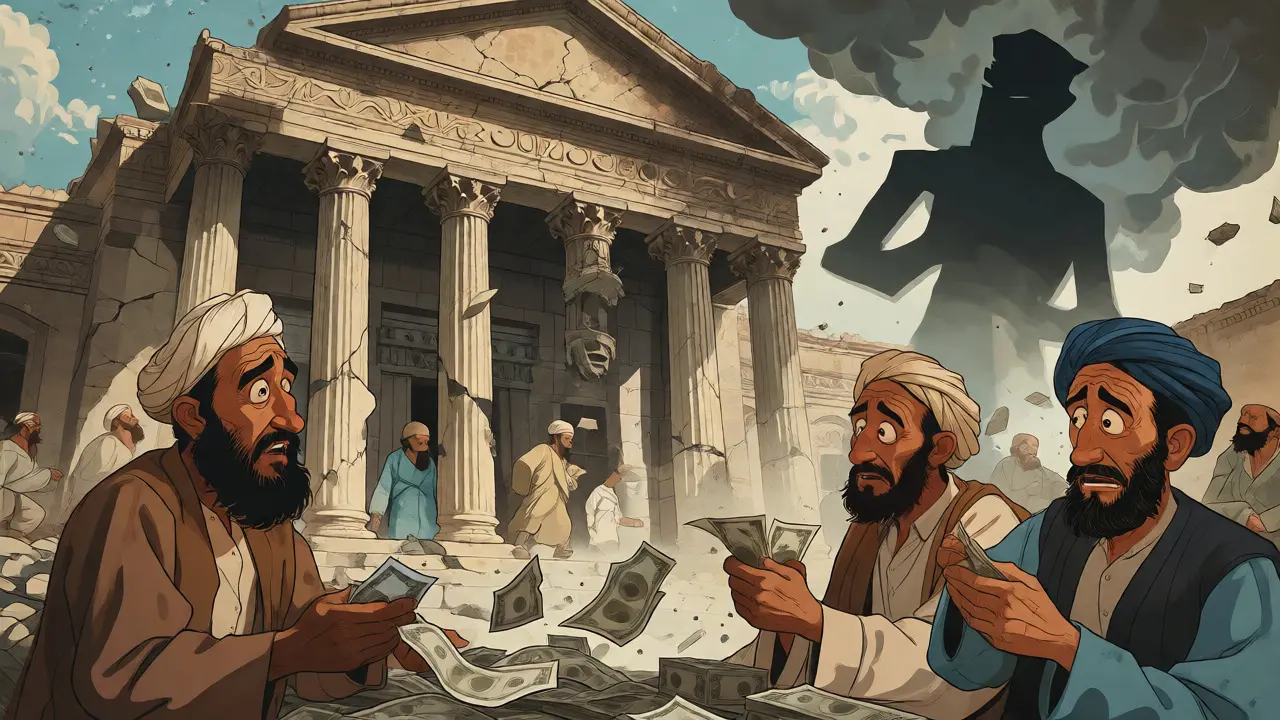
Imagine going from having zero cryptocurrency users to ranking 20th globally for adoption in just one year. Now imagine that entire market vanishing overnight because a new government decided it was religiously forbidden. That is exactly what happened in Afghanistan after the Taliban took control. In August 2022, the regime issued a blanket ban on all cryptocurrency activities, declaring digital assets "haram" under their strict interpretation of Sharia law. This move didn't just stop trading; it pushed an entire financial ecosystem into the shadows.
You might wonder why a country with such limited internet infrastructure became a crypto hotspot in the first place. The answer lies in desperation. When international sanctions froze Afghanistan's foreign reserves in 2021, the traditional banking system collapsed. People needed a way to save value and send money across borders without relying on failing banks. Cryptocurrency filled that gap rapidly. But once the political landscape shifted, so did the rules. Today, as we sit in late 2026, the ban remains in effect, yet Bitcoin and stablecoins like USDT still flow through underground channels, proving that economic necessity often outweighs legal prohibitions.
The Rise and Fall of Digital Assets in Afghanistan
To understand the current situation, you have to look at the timeline. Before 2021, cryptocurrency usage in Afghanistan was negligible. Most people had never heard of blockchain technology. Then came the chaos. As the Afghan dollar lost value and banks stopped functioning normally, Afghans turned to digital currencies. By mid-2021, the country had surged up the global adoption charts, landing at number 20 out of 154 countries according to Chainalysis data. This wasn't driven by tech enthusiasts chasing profits; it was driven by families trying to preserve their savings against hyperinflation.
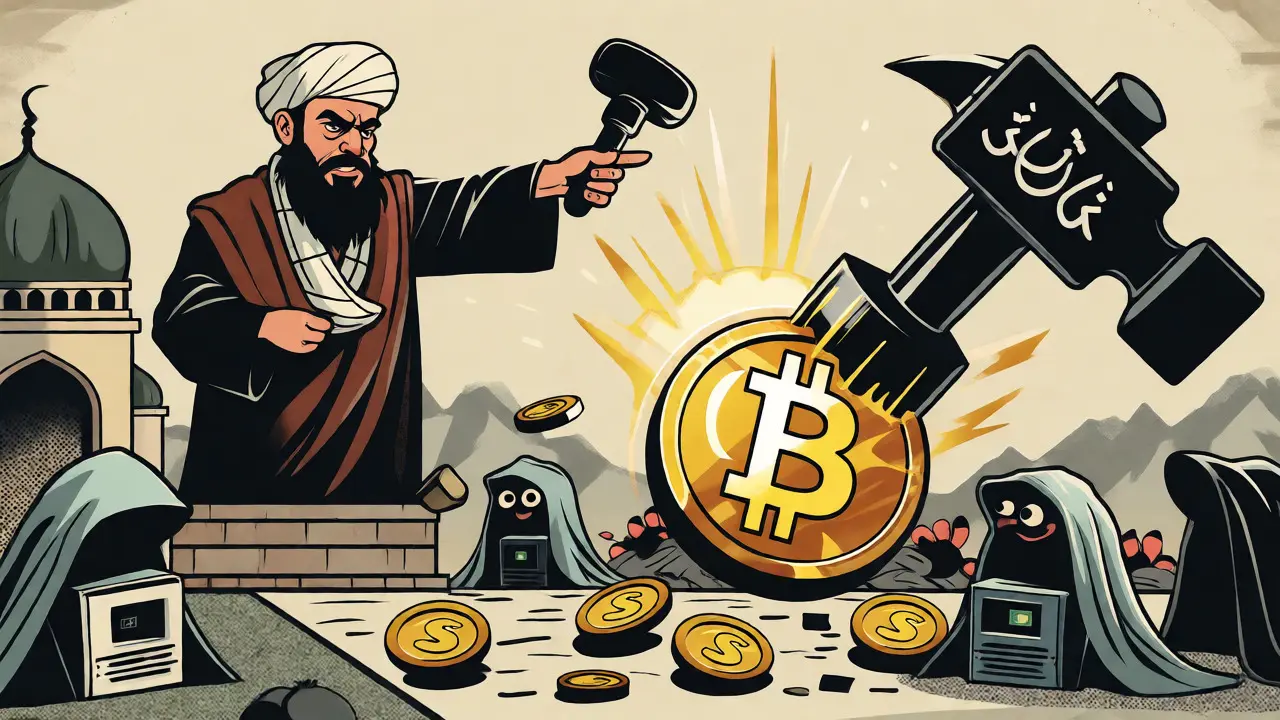
The turning point arrived in August 2022. The Taliban authorities announced a complete halt to all cryptocurrency trading and mining. They argued that cryptocurrencies lack intrinsic value and resemble gambling, which is prohibited in Islam. This wasn't a subtle regulatory adjustment; it was a total prohibition. Exchanges were forced to close or operate illegally. Miners who had set up rigs using cheap electricity found themselves facing arrest. The impact was immediate and severe. Transaction volumes plummeted from millions of dollars monthly to roughly $80,000 by November 2022. For a brief moment, it seemed the experiment was over.
Why the Taliban Banned Cryptocurrency
The core justification for the ban rests on religious interpretation. Taliban clerics declared Bitcoin and other digital tokens "haram," meaning forbidden. Their reasoning focuses on two main points: speculation and lack of backing. In their view, because cryptocurrencies are not backed by physical assets like gold or state authority, they represent uncertainty and risk akin to gambling. Additionally, the decentralized nature of blockchain conflicts with the centralized control the Taliban seeks over the economy.
This stance places Afghanistan in a very small club. As of recent years, only about nine countries worldwide maintain outright bans on cryptocurrency use. Most nations, including those that previously banned it like Morocco, have moved toward regulation rather than prohibition. Iraq, China, and Egypt remain restrictive, but even there, enforcement varies. Afghanistan’s approach is unique because it combines religious doctrine with authoritarian control. It’s not just about preventing money laundering; it’s about asserting moral and economic authority over every aspect of daily life.
The Reality of Underground Crypto Markets
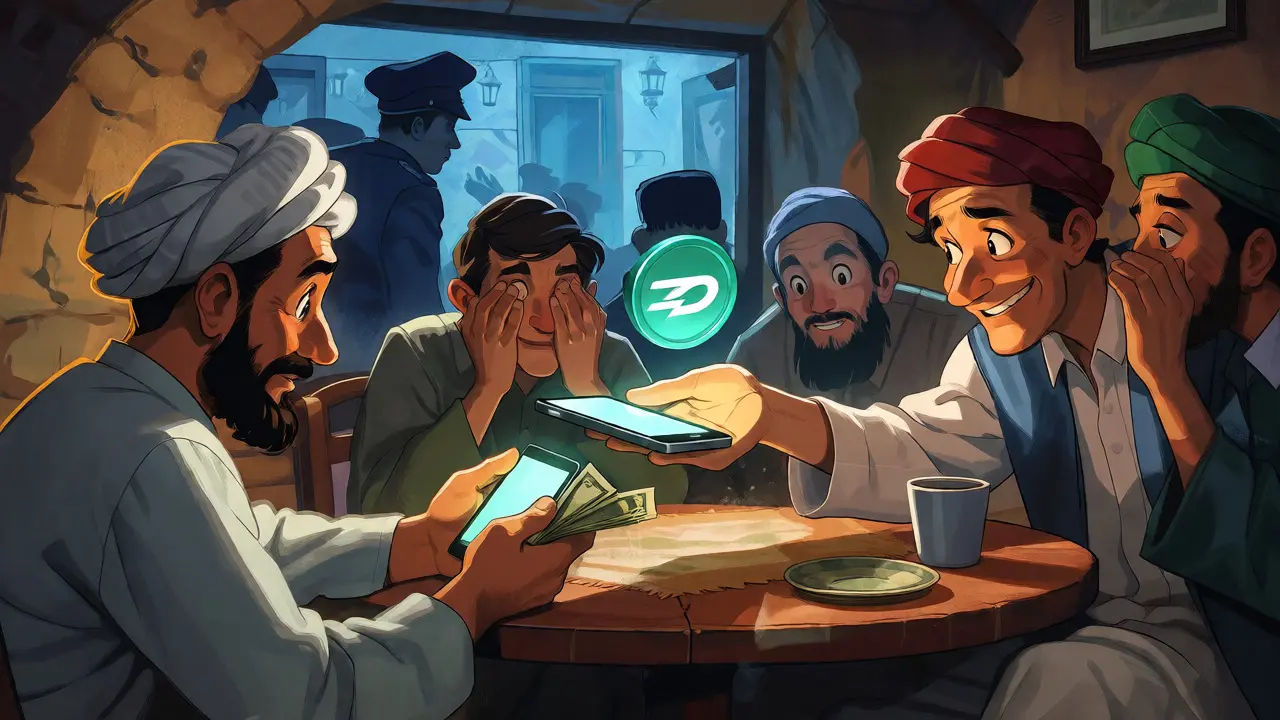
Despite the official ban, cryptocurrency hasn’t disappeared. It has simply gone underground. Peer-to-peer (P2P) networks have become the lifeline for Afghans who need to move money. If you want to buy groceries or pay rent, you might find yourself exchanging cash for USDT via WhatsApp groups or local brokers who know whom to trust. These informal networks bypass the need for banks entirely.
Enforcement is tricky. The Taliban police can raid known exchange offices, but they cannot easily monitor thousands of private transactions happening on smartphones. Internet access remains limited-only about 8.6 million of 40 million Afghans have reliable connectivity-but those who do have access are increasingly savvy. They use mobile wallets to store value and transfer funds internationally. The resilience of these markets highlights a fundamental truth: when the formal economy fails, people create their own systems. The ban made crypto illegal, but it didn’t make it useless.
Impact on Women and Human Rights
One of the most profound effects of the ban touches women. Under Taliban rule, women face severe restrictions on employment, education, and movement. Many cannot obtain national ID cards, which blocks them from opening bank accounts. Cryptocurrency offered a rare loophole. A woman could hold Bitcoin on her phone without needing a male guardian’s permission or a bank branch visit. Organizations like the Digital Citizen Fund, led by Roya Mahboob, worked hard to teach women how to use digital assets for financial independence.
Mahboob noted that Bitcoin gave women "a hope of financial freedom." With the ban, this tool became risky to use. Women caught trading crypto could face social stigma or legal trouble. Yet, many continued to use it quietly. For them, the risk was worth the reward of being able to save money independently. This intersection of gender rights and technology shows how deeply embedded cryptocurrency has become in the survival strategies of marginalized groups.
Economic Context and Global Comparison
You might ask if the ban actually helped the economy. The short answer is no. The United Nations warned that nearly 97% of Afghans fell below the poverty line during the initial years of Taliban rule. Aid cuts and sanctions devastated purchasing power. While the ban removed speculative volatility, it also removed a vital channel for remittances. Families abroad sending money home found traditional routes slow and expensive. Crypto provided a faster, cheaper alternative, but operating in the shadows adds friction and cost.
| Country | Regulatory Status | Primary Reason | Current Trend |
|---|---|---|---|
| Afghanistan | Banned | Sharia Law / Speculation | Underground P2P growth |
| Iraq | Banned | Financial Security | Informal trading persists |
| China | Banned | Capital Control | CBDC development |
| Morocco | Lifted Ban | Modernization | Regulation framework |
| El Salvador | Legal Tender | Financial Inclusion | Adoption challenges |
Compared to neighbors, Afghanistan stands out for its rigidity. Iran allows mining under license. Pakistan is exploring regulation. Even Saudi Arabia, while cautious, doesn’t issue fatwas against holding Bitcoin. Afghanistan’s isolation means it misses out on potential foreign investment that comes with clearer crypto laws. Instead, it relies on aid and informal trade, keeping its digital asset sector fragmented and vulnerable.
Future Outlook for Crypto in Afghanistan
Will the ban last forever? Probably not. History shows that governments rarely succeed in completely eradicating demand for money. As more Afghans gain smartphone access and internet speeds improve, the pressure to legalize or regulate crypto will grow. The Taliban may eventually realize that taxing and monitoring crypto is easier than policing it. Or they might double down, viewing any deviation from their strict economic model as a threat to their legitimacy.
For now, the status quo holds. If you’re looking at investing or researching the region, remember that data is scarce. Official statistics don’t capture the underground market. Your best source of insight is observing how ordinary people behave. They are voting with their feet-and their phones-for digital freedom, regardless of what the law says.
Is Bitcoin legal in Afghanistan today?
No, Bitcoin and all other cryptocurrencies remain officially banned in Afghanistan. The Taliban government prohibits trading, mining, and using digital assets, citing religious grounds. However, peer-to-peer transactions continue in underground markets despite the legal prohibition.
Why did the Taliban ban cryptocurrency?
The Taliban banned cryptocurrency primarily on religious grounds, declaring it "haram" (forbidden) under their interpretation of Sharia law. They argue that cryptocurrencies are speculative, lack real-world asset backing, and resemble gambling, which is prohibited in Islam.
How do Afghans use crypto if it is banned?
Afghans use cryptocurrency through informal peer-to-peer (P2P) networks. Transactions happen via mobile apps, WhatsApp groups, and trusted local brokers. This underground system allows people to save value and send remittances without relying on the restricted formal banking sector.
Did Afghanistan rank high in crypto adoption before the ban?
Yes, surprisingly, Afghanistan ranked 20th out of 154 countries in the Chainalysis Global Crypto Adoption Index in 2021. This rapid rise occurred due to economic instability and the collapse of the banking system, which drove citizens to seek alternative financial tools.
Which other countries have banned cryptocurrency?
As of recent years, only a handful of countries maintain outright bans, including Afghanistan, China, Iraq, Egypt, and Algeria. Most other nations have moved toward regulation rather than prohibition, recognizing the growing role of digital assets in the global economy.