Algebra Crypto Exchange Review: Is It Safe in 2026?
 Jun, 17 2026
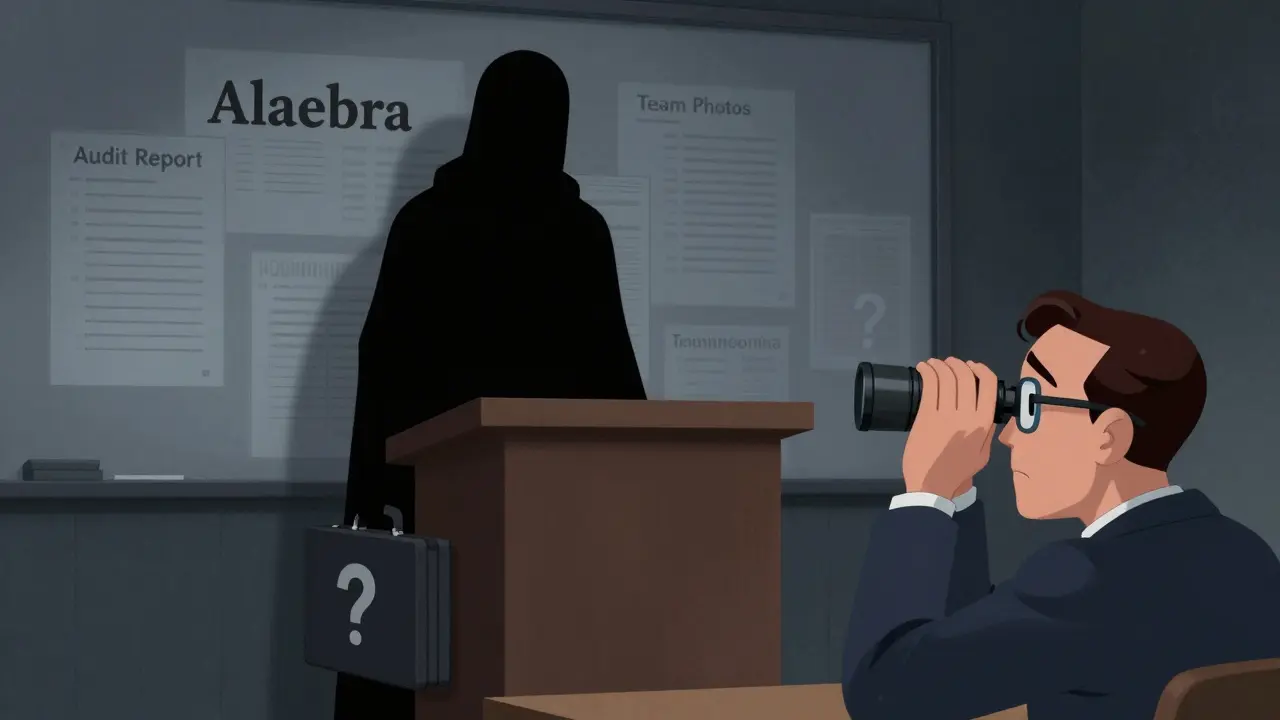
You’ve heard the name Algebra, but you can’t find a single reliable review. No user testimonials, no technical audits, and definitely no clear track record. That silence is louder than any marketing pitch could ever be. In the world of cryptocurrency, where trust is everything and one bad hack can wipe out your life savings, an invisible exchange is a massive red flag.
I’m Matt Nichols, living in Wellington, New Zealand, where we take our financial regulations seriously. When I see a platform popping up without a digital footprint, my first instinct isn’t curiosity-it’s caution. This isn’t just about whether Algebra has cool features or low fees. It’s about whether your money will actually be there when you try to withdraw it. Let’s cut through the noise and look at what you really need to know before connecting your wallet or depositing a single cent.
The Silence Speaks Volumes
In 2026, every legitimate crypto exchange has a story. They have regulatory filings, public leadership teams, and third-party security audits. If you search for "Algebra crypto exchange" today, June 17, 2026, you won’t find much. You might find a website with slick graphics, but you won’t find independent verification. This absence of information usually points to one of three things: the platform is brand new and untested, it’s operating under a different legal entity to hide its identity, or worse, it’s a scam designed to vanish quickly.
Compare this to established players. Even mid-tier exchanges have thousands of reviews on Trustpilot, CoinMarketCap, and Reddit. They have Twitter accounts with real-time customer support interactions. Algebra? Ghost town. When a company hides from public scrutiny, they aren’t protecting your privacy; they’re protecting their ability to disappear with your funds.
Centralized Exchange Risks in 2026
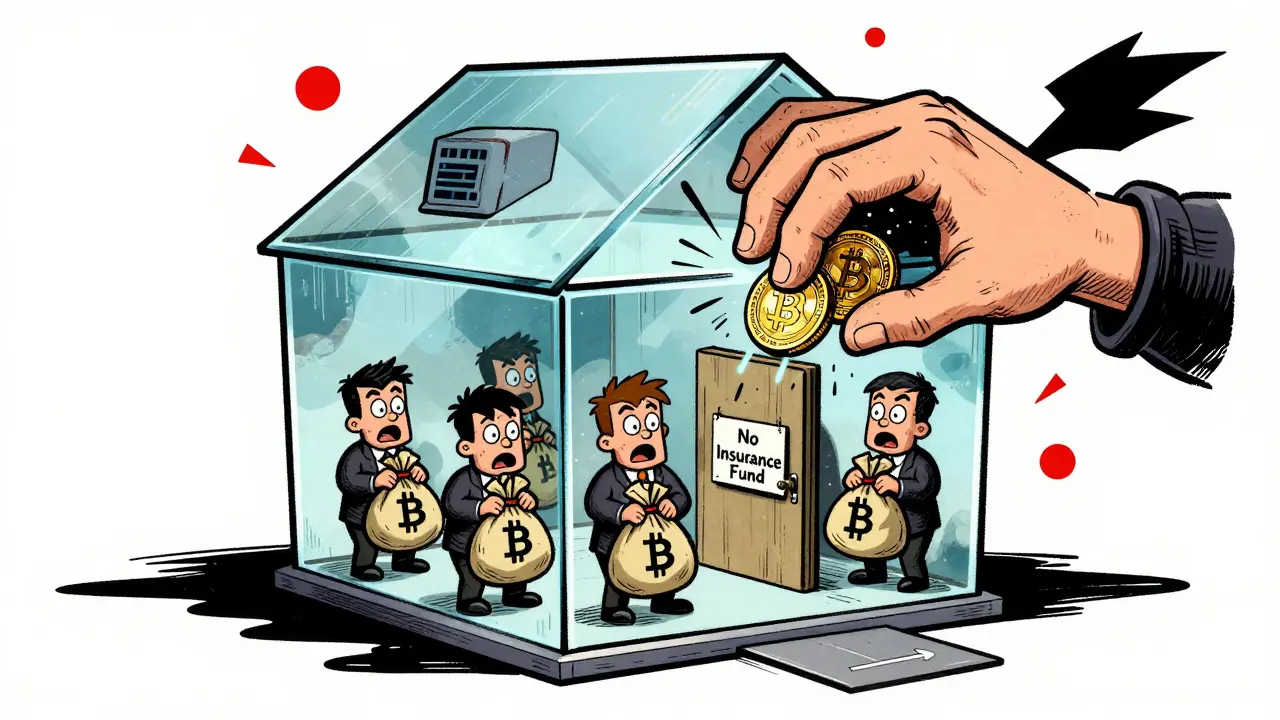
To understand why Algebra’s lack of transparency is dangerous, you have to understand how centralized exchanges (CEX) work. Unlike decentralized protocols, a CEX holds your private keys. They control your assets. This creates a single point of failure. If the exchange gets hacked, goes bankrupt, or decides to freeze withdrawals, you lose access to your money.
We saw exactly this happen recently. On February 21, 2025, Bybit, a major global exchange, suffered a catastrophic breach. Hackers stole nearly $1.5 billion worth of ether (ETH). While Bybit was able to cover the losses from its insurance fund, many smaller exchanges don’t have that safety net. When a small, unknown exchange like Algebra gets hit, there is no backup plan. The users eat the loss.
Furthermore, centralized exchanges are not protected by government insurance schemes like FDIC in the US or similar bodies in New Zealand. Your crypto balance is not a bank account. It’s an IOU from a private company. If that company fails, your IOU becomes worthless paper.
Security Best Practices You Must Know
If you decide to use any centralized exchange-known or unknown-you must assume the platform itself is vulnerable. Your job is to make your account as hard to crack as possible. Here are the non-negotiable security steps:
- Enable Two-Factor Authentication (2FA): Never use SMS-based 2FA. SIM hijacking is common. Use an app like Google Authenticator or Authy. Better yet, use a hardware key like YubiKey if the exchange supports it.
- Withdraw Immediately: Treat the exchange as a hotel, not a safe. Buy your crypto, then move it to a self-custody wallet. Do not leave large balances sitting on the platform overnight.
- Use End-to-End Encryption: Ensure the website uses HTTPS. Check the URL carefully. Phishing sites often mimic legitimate exchanges with slight spelling errors.
- Monitor Transactions: Set up alerts for any login attempts or withdrawal requests. If you see activity you didn’t authorize, act immediately.
Even with these measures, if the exchange’s internal systems are compromised, your account can still be drained. This is why knowing the exchange’s reputation is critical. With Algebra, you have no data to assess their internal security posture.
Red Flags: How to Spot a Scam
Not all unknown exchanges are scams, but most scams start as unknown exchanges. Look for these warning signs:
| Red Flag | What It Means | Risk Level |
|---|---|---|
| No Regulatory License | Operating outside legal oversight. No recourse if things go wrong. | High |
| Anonymous Team | No one to hold accountable. Common in rug pulls. | Critical |
| Guaranteed High Returns | Crypto markets are volatile. Guaranteed profits are a lie. | Critical |
| Poor Customer Support | Unresponsive chatbots or no contact info. Indicates lack of infrastructure. | High |
| New Domain Age | Website registered less than 6 months ago. Too new to trust. | Medium-High |
Algebra triggers several of these flags simply by existing in the shadows. Without a verifiable team or regulatory license, you have zero leverage if they refuse a withdrawal. In New Zealand, the Financial Markets Authority (FMA) maintains a register of licensed entities. If Algebra isn’t on that list, they are operating illegally in our jurisdiction. Check local regulators in your country too. If they aren’t registered anywhere, stay away.
Alternatives: Safer Places for Your Crypto
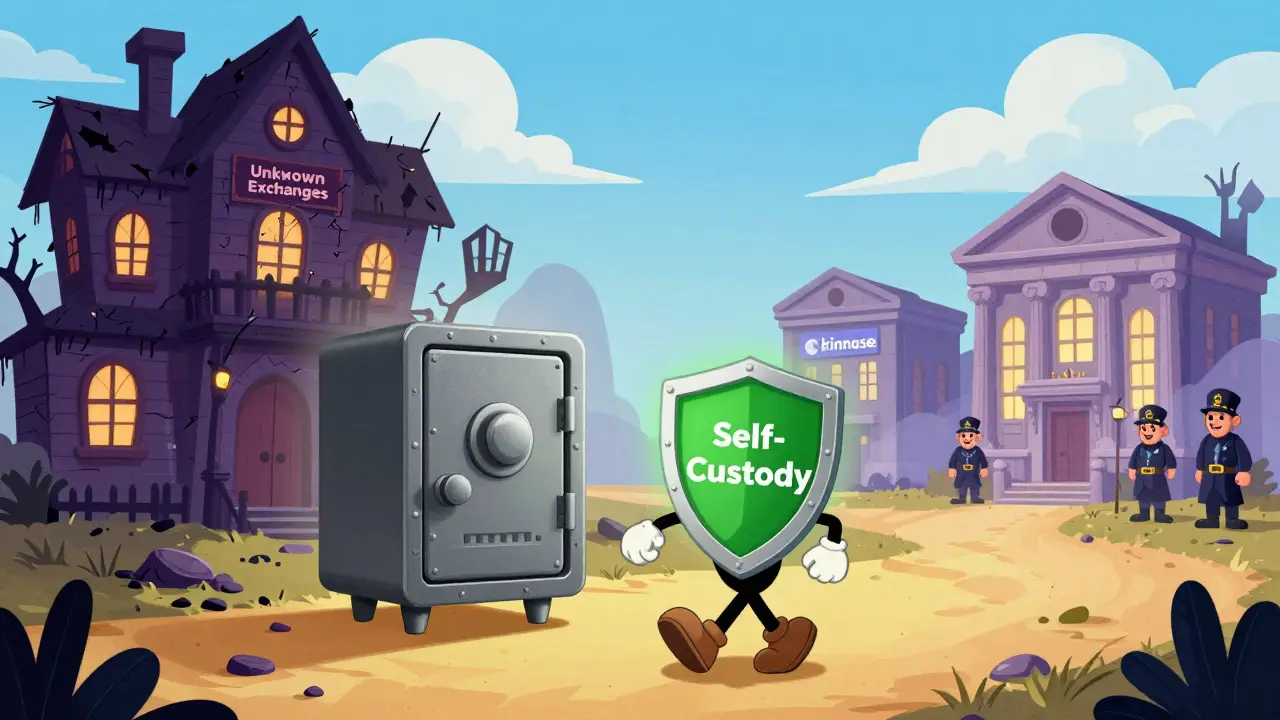
Why risk it with an unknown entity when proven alternatives exist? Established exchanges undergo regular audits, comply with Anti-Money Laundering (AML) laws, and have transparent fee structures. They may charge slightly more, but you’re paying for security and reliability.
Consider platforms like Coinbase, Kraken, or Binance (where legally available). These exchanges have survived multiple market cycles and hacks. They have proof-of-reserves reports, showing they actually hold the assets they claim to. They also offer robust customer support and dispute resolution mechanisms. For New Zealand residents, local brokers often provide easier fiat on-ramps with full legal protection.
If you want true control, skip the centralized exchange entirely. Use peer-to-peer (P2P) networks or decentralized exchanges (DEXs) like Uniswap. With a DEX, you never give up custody of your assets. You trade directly from your wallet. Yes, it’s more complex, but you eliminate counterparty risk-the risk that the other party in the transaction defaults. With Algebra, counterparty risk is 100%.
Final Verdict: Stay Away
After analyzing the available data-or rather, the complete lack thereof-I cannot recommend Algebra crypto exchange. In 2026, transparency is not optional; it’s the baseline for trust. An exchange that doesn’t publish its security practices, regulatory status, or team details is asking you to jump off a cliff blindfolded.
Your capital is hard-earned. Don’t gamble it on a platform that refuses to show its face. Stick to regulated, audited, and well-known exchanges. Move your assets to self-custody wallets whenever possible. And remember: if it sounds too good to be true, or too secretive to investigate, it’s almost certainly a trap.
Is Algebra crypto exchange legit?
There is no credible evidence to suggest Algebra is a legitimate exchange. The lack of public information, regulatory licenses, and user reviews makes it highly suspect. In the crypto industry, opacity is a major warning sign of potential fraud.
Where is Algebra crypto exchange based?
The location of Algebra crypto exchange is not publicly disclosed. Legitimate financial institutions clearly state their headquarters and regulatory jurisdictions. Hidden locations allow operators to evade legal accountability.
Can I trust unknown crypto exchanges?
You should generally avoid unknown exchanges. Without a track record, third-party audits, or regulatory oversight, you have no way to verify if they hold your assets or if they are secure against hackers. Stick to platforms with years of verified operation.
What happened to the Bybit hack in 2025?
In February 2025, Bybit was hacked, resulting in the theft of approximately $1.5 billion in ETH. This event highlighted the severe risks of centralized custody. While Bybit compensated users, smaller exchanges often lack such insurance, leaving users with total losses.
How do I protect my crypto from exchange hacks?
The best protection is self-custody. Use a hardware wallet like Ledger or Trezor. Only keep small amounts on exchanges for active trading. Always enable strong 2FA (not SMS), use unique passwords, and verify URLs to avoid phishing attacks.
Are there safer alternatives to Algebra?
Yes. Established exchanges like Coinbase, Kraken, and Binance offer better security, regulatory compliance, and customer support. For maximum security, consider using decentralized exchanges (DEXs) where you retain control of your private keys at all times.