Can Blockchain Data Ever Be Changed or Deleted? Truth About Immutability
 Mar, 29 2026
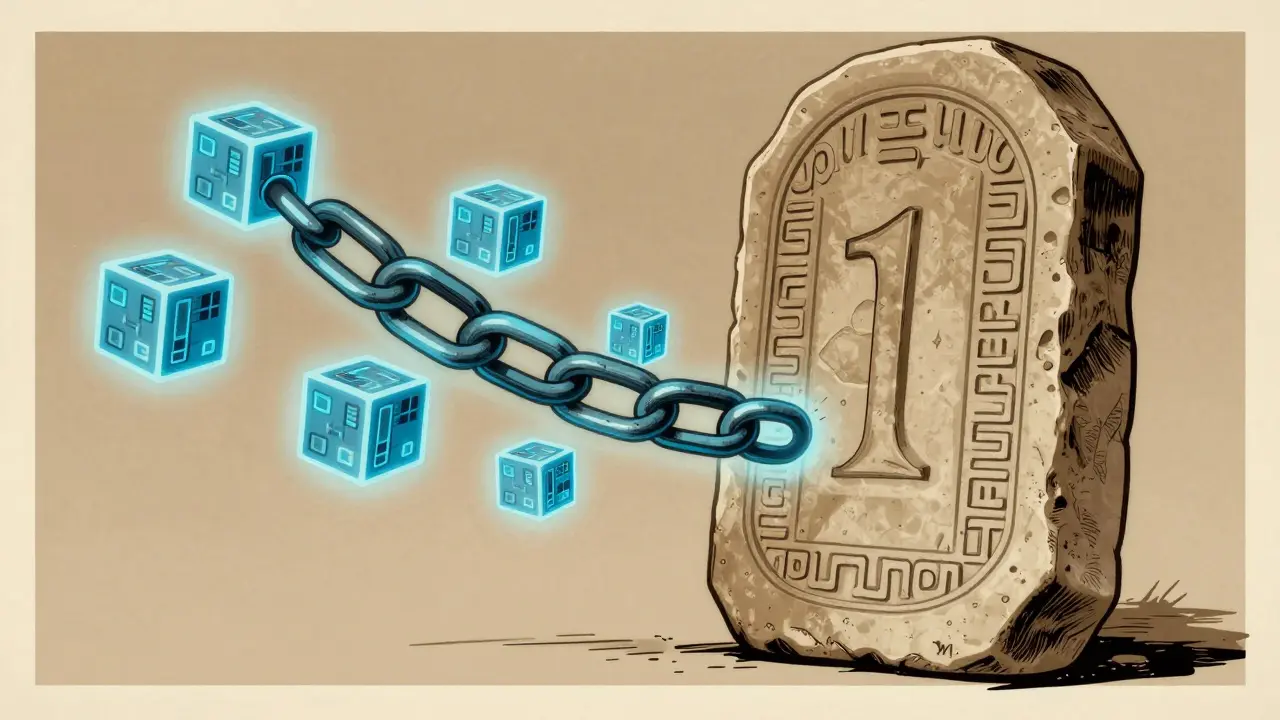
There is a common belief that once data hits a blockchain, it stays there forever. People often treat these digital ledgers like stone tablets carved by ancient gods-untouchable and permanent. However, the reality is a bit more complicated. While the technology was designed to prevent changes, history shows us that exceptions exist under specific conditions. You might want to know this because you are considering storing sensitive information on-chain, or perhaps you are worried about privacy laws clashing with this tech.
To understand why data usually cannot be deleted, we need to look at how the system actually works. Blockchain
A decentralized digital ledger that records transactions across many computers so that the record cannot be altered retroactively. relies on a chain of blocks linked together using cryptography. If you try to change one piece of data in an old block, you break the link to the next block. The network notices immediately and rejects the change. This design creates a powerful deterrent against tampering, but it is not absolute magic. It is math, and math can be overridden if you have enough power or if the community agrees to break the rules.
The Technical Mechanics of Immutability
The reason blockchain data feels permanent comes down to three main pillars. First is cryptographic hashing. Every block contains a unique fingerprint called a hash. This fingerprint includes data from the previous block. If you alter a transaction in Block 100, the hash of Block 100 changes. But Block 101 refers to the original hash of Block 100. So Block 101 becomes invalid. To fix it, you must recalculate Block 101, then Block 102, and so on, all the way to the present. This requires immense computing power.
Second, we have Consensus Mechanisms
Rules that determine how nodes agree on the state of the blockchain ledger.. Depending on the network, this could be Proof-of-Work or Proof-of-Stake. In both cases, adding a new version of history requires approval from the majority of the network participants. As Quant Network noted in their 2024 documentation, adding data requires network-wide approval. Without that agreement, your "new" version of history is just an orphan chain that nobody uses.
Third is distribution. Instead of one server holding the data, thousands of copies exist across the globe. For someone to alter history, they would need to control more than half of all those copies simultaneously. On large networks like Bitcoin
The first and largest cryptocurrency network utilizing blockchain technology., this is practically impossible due to the sheer cost. Research from the University of Cambridge calculated that altering Bitcoin's history would cost billions in equipment alone. This makes the network "practically immutable" even if it isn't theoretically invincible.
When History Has Been Rewritten
Despite the heavy security, history does show moments where the record was changed. The most famous example happened with Ethereum
A decentralized platform that enables smart contracts and decentralized applications. in July 2016. A group known as The DAO stole millions of dollars through a smart contract exploit. The community debated whether to reverse the transaction. Eventually, a majority voted for a hard fork. They created a new version of the blockchain that erased the theft. The result was two chains: Ethereum (ETH), which had the reversed history, and Ethereum Classic (ETC), which kept the original unaltered history. This proved that social consensus can override code rules.
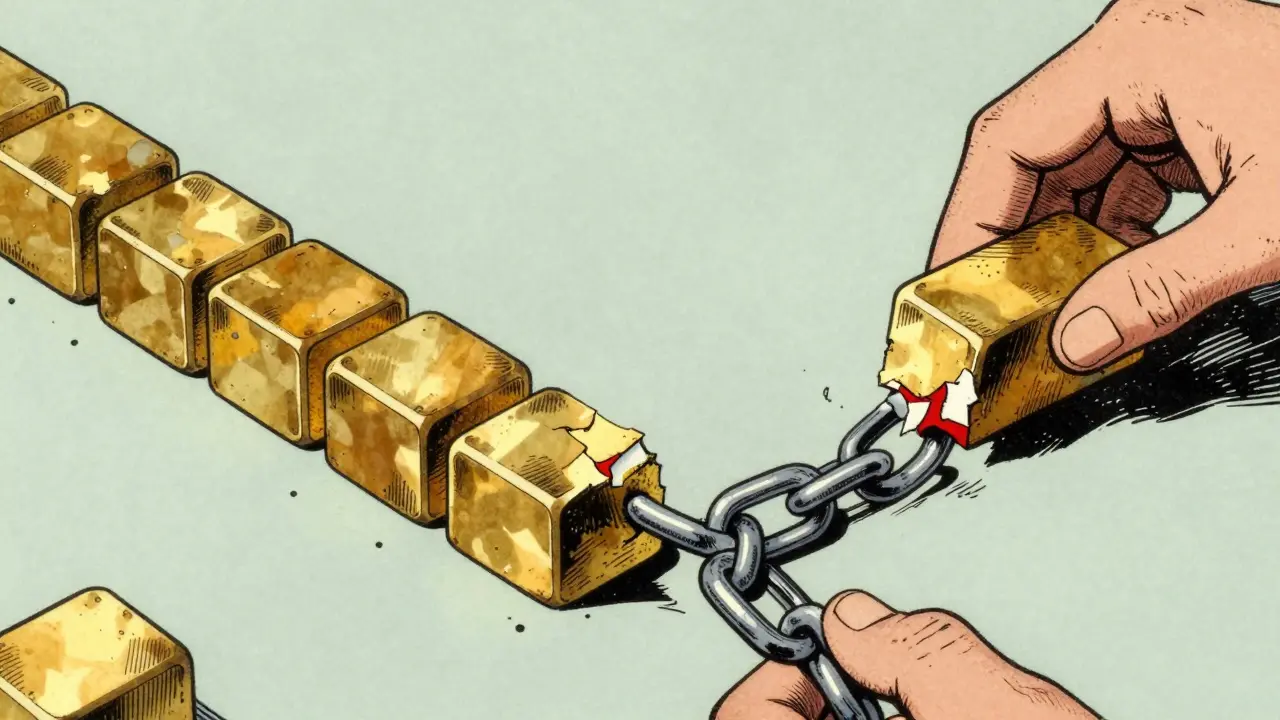
Another risk involves the 51% attack. If a single entity controls the majority of the mining power, they can rewrite recent blocks. In May 2018, Bitcoin Gold suffered such an attack. Attackers double-spent about $18 million worth of coins. They essentially rewrote the last few hours of transaction history to spend coins they had already spent before. Cornell University research suggests smaller networks are vulnerable; chains with fewer than 1,000 active nodes face a significant risk of successful attacks within a year. Larger networks remain safe, but niche projects can still fall victim to these manipulations.
| Network Type | Vulnerability Risk | Immutability Guarantee |
|---|---|---|
| Large Public Chain | Low | High (Cost Prohibitive) |
| Small Public Chain | Medium | Moderate (Susceptible to 51% Attack) |
| Private Blockchain | High | Low (Admin Override Possible) |
Privacy Laws Versus Permanent Records
A major tension exists between blockchain technology and regulations like the General Data Protection Regulation (GDPR). GDPR
European Union law requiring personal data protection and including the right to be forgotten. gives individuals the right to have their personal data deleted. Blockchain, by design, never deletes data. This creates a legal nightmare for companies trying to store personal identity data on-chain.
Some businesses have found workarounds instead of breaking the chain. In March 2025, Reddit discussions showed enterprise users building off-chain encryption layers. They store the actual sensitive data on private servers and only put a non-reversible hash on the blockchain. If a user requests deletion, the company destroys the key needed to decrypt the off-chain data. The hash remains on the public ledger, but it looks like gibberish without the key. Another approach mentioned in Microsoft's February 2025 announcement involves compliance layers that allow selective disclosure. You prove you have the data without revealing its full contents to the public chain.
This distinction matters because storing plain text Personally Identifiable Information (PII) directly on a public chain violates GDPR in almost all jurisdictions. IBM reports that many private blockchain implementations allow administrators to override consensus rules under emergency protocols. This flexibility helps with compliance but weakens the guarantee of immutability. You are essentially trading absolute security for legal compliance.

The Cost of Storing Forever
Every day the network grows, it gets bigger and heavier. Since you cannot delete old data, storage costs keep rising. CMIT Solutions case studies from 2025 show organizations experience a 40% increase in storage costs compared to traditional databases. This append-only nature means you pay for every byte ever written.
For enterprises, this drives a shift toward hybrid models. By 2027, Forrester predicts that 73% of implementations will use solutions combining on-chain verification with off-chain storage. You get the trust of the blockchain for the final hash but save money by storing the bulk of the files elsewhere. This architecture also solves the privacy issue, keeping sensitive details away from the public eye while maintaining a verifiable receipt.
Practical Implementation Challenges
Deploying a solution correctly takes time and expertise. Quant Network's guide states deployment typically requires 3 to 6 months. Your team needs skills in cryptography and distributed systems. If you set up the consensus rules wrong, you leave gaps where data could be manipulated accidentally. Coursera's specialization indicates developers need about 120 hours just to understand the mechanics fully.
Documentation quality varies wildly. Ethereum's docs score well for clarity, but Hyperledger Fabric's ratings dropped in 2025 reviews due to inconsistent explanations of immutability features. Before committing to a stack, test your network. Developers reported on Bitcoin Talk forums that even on small private testnets, altering a block required massive computation and failed validation easily. However, always test edge cases because a bug in your smart contract logic could lead to unintended "deletions" of logic access, even if the data stays.
Can I delete my personal data from a blockchain?
Generally, no. Once data is on a public blockchain, it stays there forever. To comply with privacy rights, companies usually store a hash on the chain and the actual data off-chain, destroying the off-chain copy when requested.
What is a hard fork and does it change data?
A hard fork creates a split in the blockchain history. While rare, it can permanently change which version of the ledger is considered valid, effectively altering historical records for one branch of the network.
Are private blockchains less secure regarding data changes?
Yes. Private blockchains often allow administrators to override rules or reset the ledger under emergency protocols, meaning they do not offer the same level of guaranteed immutability as public networks.
What is a 51% attack?
This occurs when a miner or group controls more than half the network's computing power. They can potentially reverse transactions and rewrite recent history to double-spend coins.
How do costs affect blockchain immutability?
As the chain grows, storage costs rise significantly because the entire history must be maintained. This encourages the use of hybrid storage models where only essential proofs stay on-chain.
Elizabeth Akers
March 30, 2026 AT 13:00thanks for sharing this info honestly it clears up a lot of confusion about blockchains
i was always wondering if data truly stays forever
Alex Lo
March 31, 2026 AT 12:58first off i think you missed the point about hashing because it is super important to understand deeply
then again the network consensus is key right when nodes decide what is valid
we also see how hard forks happened before which changes things up alot in history
people forget the social layer matters too much sometimes than the code itself
without agreement nothing works well ever in these systems globally
math alone does not save us ever from bad actors or greedy groups
costs keep going up too sadly for everyone storing big files
storage is getting pricey fast with every transaction added daily
companies want to hide data now due to legal pressure from govts
laws force changes sometimes on how tech interacts with rights
privacy rights clash with code logic often causing headaches
you cant store names directly on the public ledger safely
it violates regulations mostly in eu or us jurisdictions currently
hashing fixes this issue though by keeping hashes instead
still risks remain high for smaller chains and private ledgers
be careful what you put online because deletion is impossible
the 51 attack risk is real for newer coins only
investors need to know this stuff before buying in
immutability is great but not magic bullet solution ever
Jay Starr
April 1, 2026 AT 11:13it feels like our privacy is being sacrificed for some abstract ideal of transparency
how anyone wants to live in a world where everything is permanent is beyond me
Matt Bridger
April 1, 2026 AT 15:10The dramatic reaction is unnecessary given the technical safeguards in place
Most public networks maintain integrity through economic disincentives rather than law
Lisa Miller
April 1, 2026 AT 20:52I think it is really important we balance security with human rights considerations though
Great overview on the hybrid models emerging now
Joy Crawford
April 1, 2026 AT 21:07reading this makes me so sad :(( technology moving fast but laws so slow :( really hope we find better ways soon so we dont break rules by accident
Beverly Menezes
April 3, 2026 AT 01:17simple storage solutions work best for most people who are not experts
keeping keys safe is more important than the blockchain itself
Michael Nadeau
April 3, 2026 AT 23:42the philosophical implication of eternal records changes how society views truth
we must consider the weight of permanence on future generations thinking processes
Ronald Siggy
April 5, 2026 AT 12:02You have to trust the process and verify the hash values yourself regularly
Do not rely solely on third party interpretations of the ledger state
Zackary Hogeboom
April 5, 2026 AT 18:52curious about how the gas fees impact the decision to store data on chain
what do you guys think about the cost scaling over time
Tiffany Selchow
April 6, 2026 AT 14:27wow another thing that will never change huh typical tech hype
most of you dont know how fragile these little digital tokens really are
Raymond K
April 6, 2026 AT 19:26i beleive there is hope for the future even with current flaws in design
lets support each other while we learn how to use this safe
Jamie Riddell
April 7, 2026 AT 13:31i suppose the european laws will drive most adoption changes in enterprise sector
hopeful that clearer guidelines emerge soon
Chris R
April 7, 2026 AT 14:29in africa we see different use cases for identity management which help many
this tech could solve huge problems if handled with care and respect
Markus Church
April 9, 2026 AT 12:04one must acknowledge the significant energy expenditure required for maintaining immutable ledgers
sustainability remains a critical concern for large scale implementation efforts
Leah Lara
April 10, 2026 AT 18:47nice summary i guess
not reading the details tho
Justin Smith
April 12, 2026 AT 05:07Immutability is guaranteed.
Wade Berlin
April 14, 2026 AT 04:32Oh sure just take your word for it genius
we all know how easily forks happen when enough people complain
Lisa Walton
April 14, 2026 AT 23:00everyone assumes the code is perfect but bugs exist everywhere
why do we pretend this is financial grade security already
Shubham Maurya
April 16, 2026 AT 21:10bro u r ignoring the obvious risks lol 😂👎 check the whitepaper again 🤓💸
Katrina Tate
April 17, 2026 AT 12:25Data leakage on immutable ledgers is a silent killer for compliance teams
Companies are waking up to this risk slowly now
Liam Robertson
April 19, 2026 AT 11:17We should encourage developers to build safer defaults into their apps
This discussion helps us all understand the limitations better
Justin Garcia
April 20, 2026 AT 15:06Your naive optimism ignores the reality of malicious actors exploiting gaps
Stop pretending everything is fine when basic incentives are wrong
Elizabeth Akers
April 22, 2026 AT 03:10just checking back to see if anything changed since last week
looks like nothing much has moved forward yet