DePIN Investment Potential: Analysis & Strategy
 Aug, 19 2026
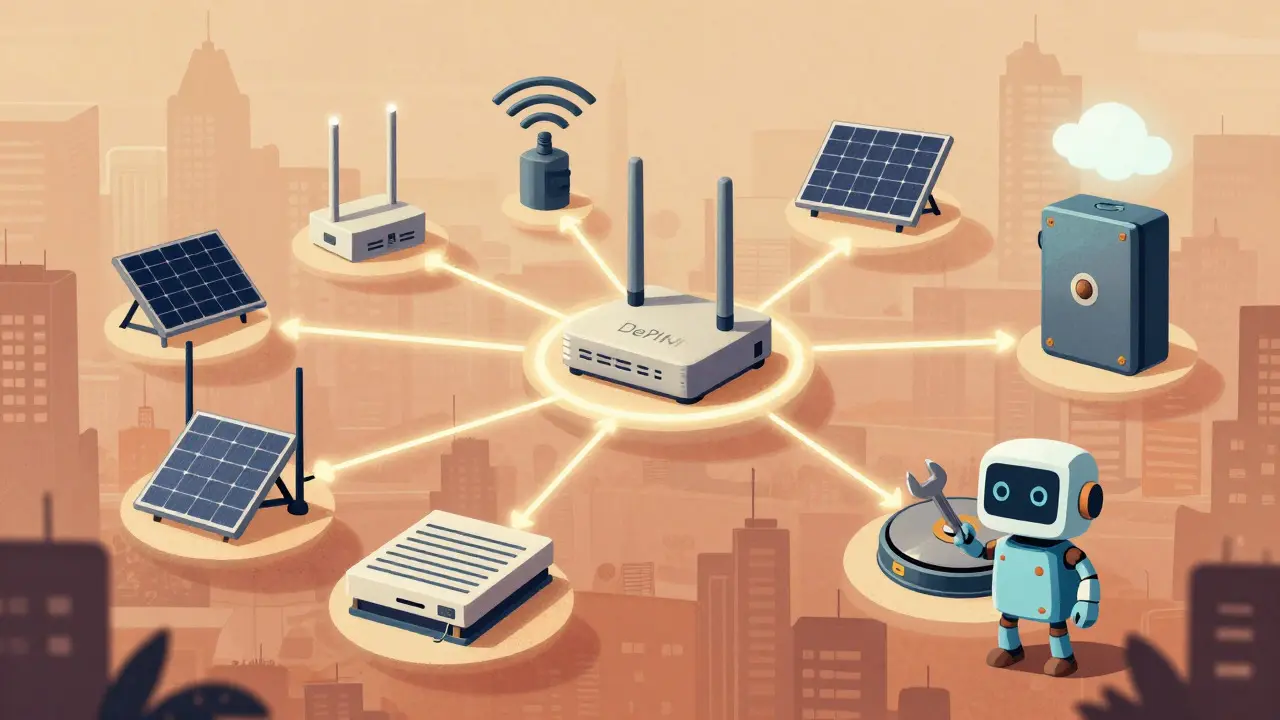
Imagine owning a piece of the internet's physical backbone. That is the promise of Decentralized Physical Infrastructure Networks, or DePIN. These networks use blockchain to pay people for providing real-world services like wireless coverage, storage, or mapping data. In 2026, this sector has moved from experimental curiosity to a serious asset class. But does it actually make money? The answer depends on whether you understand the difference between token speculation and genuine utility.
The core appeal is simple: traditional infrastructure is expensive and slow. DePIN projects crowdsource capital and labor, often cutting deployment costs by 30-50% compared to centralized giants. For investors, this creates two distinct opportunities. You can buy tokens to bet on network growth, or you can deploy hardware to earn rewards directly. Both paths carry risk, but the rewards are tied to tangible usage, not just hype.
Understanding the Two Types of DePIN
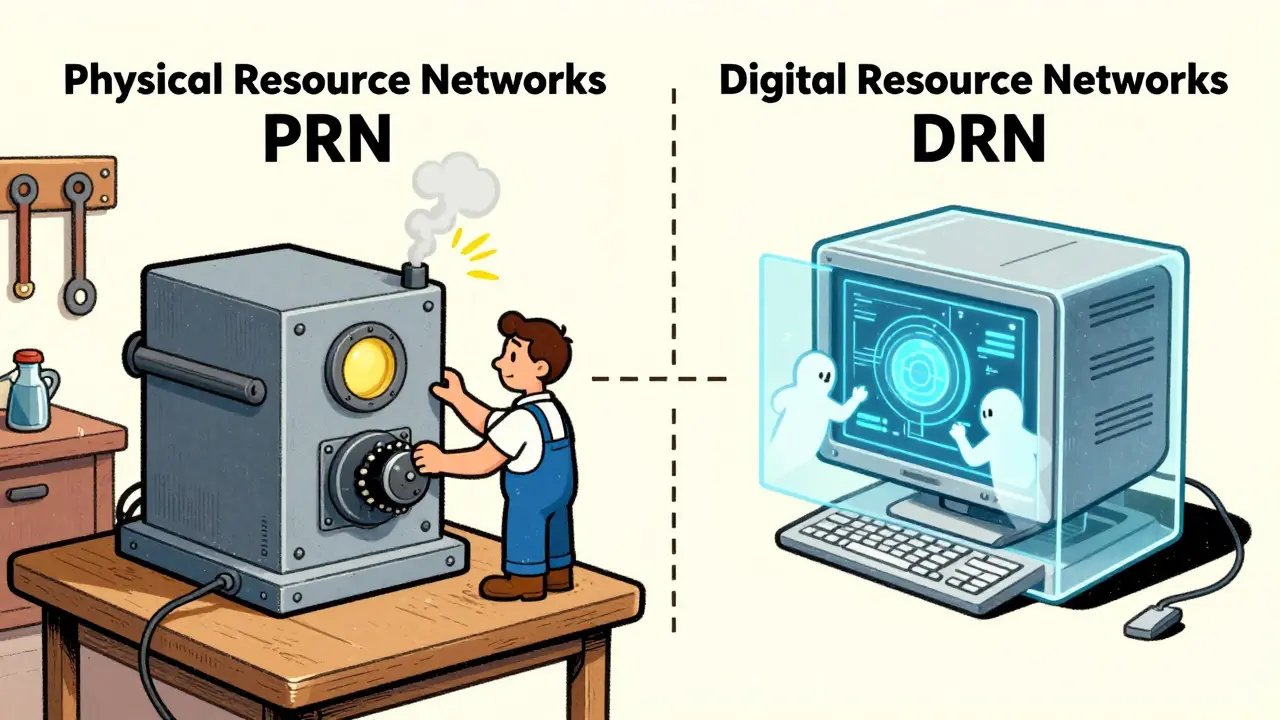
Not all DePIN projects work the same way. Splitting them into two categories helps clarify your investment strategy.
- Physical Resource Networks (PRNs): These require you to buy hardware. Think of Wi-Fi hotspots or solar panels. Projects like Helium fall here. You own the node, you cover the electricity, and you earn tokens based on how much data flows through your device.
- Digital Resource Networks (DRNs): These leverage computers you already have. If you have an unused GPU or hard drive space, you can rent it out. Filecoin for storage and Render Network for graphics processing are prime examples. Entry barriers are lower, but competition is fierce.
PRNs tend to have stronger network effects because hardware is harder to replicate quickly. DRNs scale faster but suffer from higher volatility in earnings as supply increases.
Market Growth and Real-World Traction
The numbers back up the momentum. Since 2022, the total market cap of DePIN projects has exploded from roughly $200 million to over $3 billion. This isn't just price appreciation; it's driven by actual adoption. By late 2023, Helium had deployed over one million hotspots globally. Meanwhile, Hivemapper collected 1.5 billion street images, now used by enterprise clients like Ford and Uber.
This traction matters because it validates the business model. Unlike many crypto projects that rely solely on community sentiment, DePIN metrics are verifiable. You can check API calls, data throughput, and active users. Gartner projected that by 2026, 20% of new infrastructure deployments in connectivity and storage would incorporate decentralized elements. We are already seeing that shift accelerate.
Evaluating Tokenomics and Risks
Before buying any token, look at the emission schedule. A common trap is high inflation. If a project mints too many new tokens to reward early users, the value per token drops. Successful projects keep annual inflation below 5% after initial distribution. Check if the token has clear utility beyond trading. Does it pay for services? Does it grant governance rights?
Risks are specific to this sector. Regulatory hurdles remain significant, especially in telecom and energy. The U.S. FCC approved Helium's spectrum usage but imposed new rules in 2023 that temporarily cut hotspot earnings by 20%. Always verify the legal status of a network in your jurisdiction.
| Project | Type | Key Metric (2023) | Entry Cost |
|---|---|---|---|
| Helium | PRN (Wireless) | 1M+ Hotspots | $100-$500 Hardware |
| Filecoin | DRN (Storage) | High Storage Demand | Existing Hard Drives |
| Render Network | DRN (GPU) | 1.2M Jobs/Q | Existing GPU |
| Hivemapper | PRN (Mapping) | 1.5B Images | Camera + Car |

Practical Strategies for Investors
You have three main ways to play the DePIN game. Each requires a different level of commitment and technical skill.
- Token Purchase: Buy tokens on major exchanges like Binance or Coinbase. This is the easiest entry point. Focus on projects with established exchange listings and high liquidity. Monitor network growth metrics weekly to gauge momentum.
- Hardware Deployment: Buy nodes for PRNs like Helium. Calculate your break-even point carefully. One user reported earning $120 monthly from a $400 hotspot, yielding a 30% annualized return. However, electricity costs and declining rewards as networks scale can erode profits. Test in a low-density area first.
- Resource Sharing: Join DRNs like Filecoin or Render. Ensure your hardware meets the minimum specs. Keep an eye on storage prices and GPU demand rates. This path has lower upfront costs but requires consistent uptime.
Tax implications vary by location. In the U.S., most states treat infrastructure rewards as taxable income. Keep detailed records of every transaction and reward earned.
Future Outlook and Consolidation
The sector is maturing fast. Analysts predict consolidation by 2025. Smaller projects will likely merge or fail, while the top five to ten players capture most of the market share. This means diversification is key. Don't put all your capital into a single niche. Spread exposure across wireless, storage, and computing sectors.
Long-term, DePIN could represent 5-10% of global infrastructure value by 2030. That is a massive addressable market. The winners will be those who solve the "verification problem"-ensuring that users are only paid when they actually deliver service. As oracle technologies improve, trust in these networks will deepen, attracting more institutional capital.
Stay vigilant about regulatory changes. Spectrum licenses and energy regulations can shift overnight. Subscribe to official project updates and follow local regulatory bodies. The opportunity is real, but it belongs to those who do their homework.
What is the best DePIN project to invest in right now?
There is no single "best" project, as it depends on your risk tolerance. Helium offers strong brand recognition and mobile expansion, making it a safer bet for conservative investors. Render Network benefits from the AI boom driving GPU demand, offering higher growth potential but also higher volatility. Look for projects with verifiable real-world usage metrics rather than just high token prices.
How much capital do I need to start earning from DePIN?
For Digital Resource Networks (DRNs), you might need little to no extra capital if you already have a spare computer or hard drives. For Physical Resource Networks (PRNs), expect to spend between $100 and $1,000 on hardware. Add ongoing costs like electricity and internet. Most beginners start with a single node to test profitability before scaling up.
Are DePIN tokens safe from regulation?
No, they are not immune. Regulatory risks are higher in sectors like telecom and energy. For example, spectrum licensing rules can change, affecting how much you earn from a wireless node. Always check the legal status of a specific network in your country before investing. Diversifying across different types of infrastructure can help mitigate this risk.
What is the "cold start problem" in DePIN?
The cold start problem refers to the difficulty of getting a network going initially. Users won't join until there is enough coverage, but providers won't install hardware until there are enough users. Early adopters face lower rewards because the network is sparse. As the network grows past critical mass, rewards stabilize and utility increases. Investing during the growth phase can be risky but potentially rewarding.
How do I track my DePIN earnings?
Most DePIN projects provide dashboards where you can monitor real-time earnings. For hardware-based networks, apps like the Helium Mapper show exactly how much data your node is serving. For token-only investments, use portfolio trackers that support multiple blockchains. Remember to export your transaction history regularly for tax reporting purposes.