GuldenTrader Review: Why This Exchange Is a Red Flag in 2026
 Jul, 11 2026
You’ve probably seen the ads. They promise low fees, high security, and instant withdrawals. The name GuldenTrader sounds professional, maybe even trustworthy. But here is the hard truth you won’t find on their homepage: there is almost no credible information about this platform. In an industry where transparency is everything, silence is dangerous.
I’ve spent years analyzing crypto platforms from my desk in Wellington, New Zealand. I look at regulatory filings, user feedback, and technical infrastructure. When I applied that same rigorous process to GuldenTrader, I found a void. No clear ownership. No regulatory licenses. No independent security audits. This isn’t just a missing feature; it’s a major warning sign. If you are thinking of depositing money into GuldenTrader, stop reading this article and read the next section carefully.
The Silence Speaks Volumes: Lack of Transparency
In the world of cryptocurrency, trust is not given; it is earned through verification. Legitimate exchanges like Coinbase, Kraken, or Binance publish detailed information about their corporate structure. You can find their headquarters address, their CEO’s LinkedIn profile, and their contact with financial regulators.
When you search for GuldenTrader, you hit a wall. Here is what is typically missing from dubious platforms:
- Regulatory Status: There is no record of GuldenTrader being registered with major financial bodies like the FCA (UK), ASIC (Australia), or the SEC (USA). Operating without a license means your funds have zero legal protection.
- Company Ownership: Who runs this exchange? Anonymous teams are a hallmark of scams. If they don’t want to show their faces, ask yourself why.
- Physical Address: Many shady sites list a PO Box or a generic office space in a tax haven. A quick reverse image search of their "office" photos often reveals stock images.
This lack of basic data isn’t an oversight. It is a deliberate strategy to hide behind anonymity. Without these details, if something goes wrong-and it usually does-you have nowhere to turn. You cannot file a complaint against a ghost.
Red Flags That Scream "Scam"
Beyond the missing information, GuldenTrader exhibits several behavioral patterns common to fraudulent crypto schemes. Recognizing these signs can save you thousands of dollars.
2. Aggressive Marketing Tactics
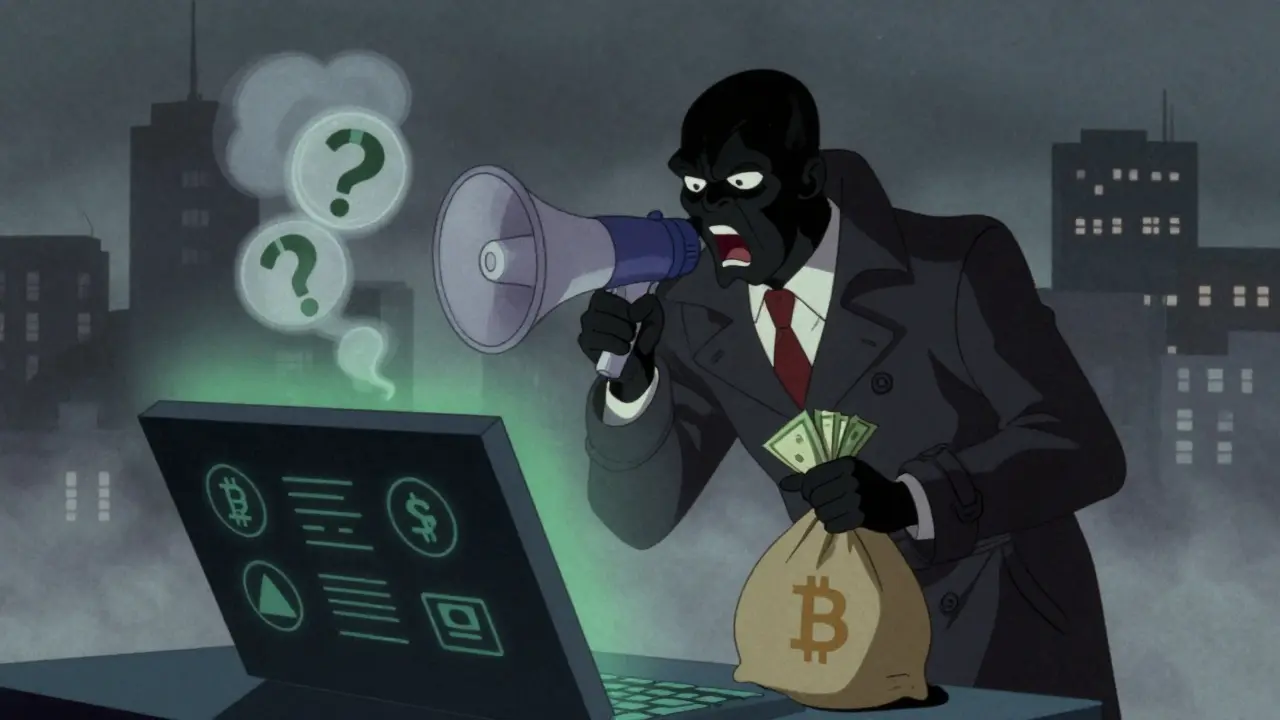
Have you received unsolicited messages on Telegram, WhatsApp, or Instagram from someone claiming to be a "financial advisor" who knows about GuldenTrader? This is a classic social engineering tactic known as "pig butchering." Scammers build fake relationships to lower your guard before convincing you to invest large sums.
3. Withdrawal Delays and Hidden Fees
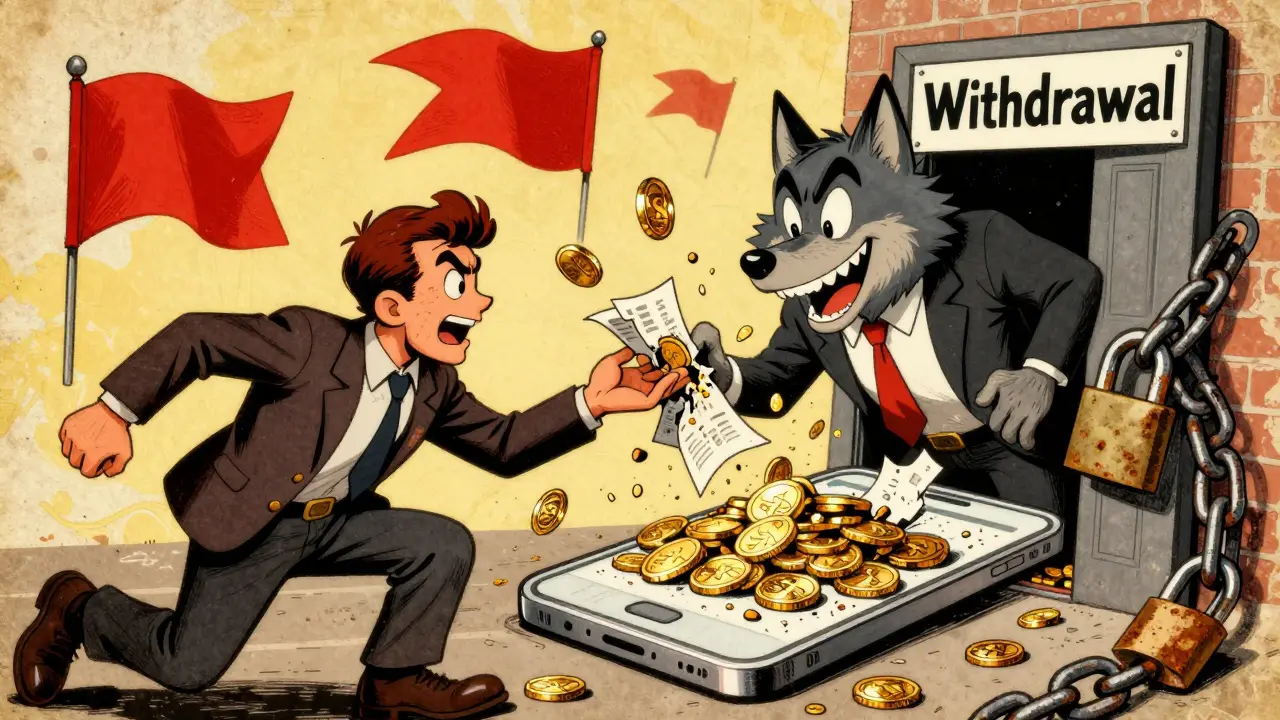
The true test of any exchange is not how easy it is to deposit money, but how easy it is to get it out. Reports from similar unregulated platforms often follow a pattern: deposits are instant, but withdrawals face endless "verification" hurdles. Suddenly, you need to pay a "tax fee" or a "security deposit" to release your own funds. Once you pay that, another fee appears. Your original capital is likely already gone.
How to Verify Any Crypto Exchange
Before you ever enter your credit card details or connect your wallet, perform this simple checklist. Apply it to GuldenTrader or any other new platform you encounter.
- Check Regulatory Registries: Visit the website of your local financial regulator. For example, if you are in the US, check the FinCEN MSB registry. If they aren’t listed, they are operating illegally.
- Search for Independent Reviews: Ignore reviews on the exchange’s own site. Look for discussions on Reddit, Trustpilot, or specialized crypto forums like Bitcointalk. Look for keywords like "scam," "withdrawal issue," or "fake."
- Analyze the Domain Age: Use a WHOIS lookup tool. If the domain was registered only three months ago but claims to have "years of experience," it is a lie.
- Test Customer Support: Ask a complex question. If the response is generic, delayed, or comes from a personal email address (like Gmail) instead of a corporate domain, that is a bad sign.
Applying this checklist to GuldenTrader yields poor results. The absence of verifiable data across all these points suggests the platform is not fit for purpose.
Safer Alternatives for Trading in 2026
Avoiding a scam is important, but you still need a place to trade Bitcoin, Ethereum, and other assets. Fortunately, the market has matured. There are established, regulated exchanges that prioritize security and user protection. Here is how they compare to the risks associated with unknown entities like GuldenTrader.
| Feature | Regulated Exchanges (e.g., Coinbase, Kraken) | Unverified Platforms (e.g., GuldenTrader) |
|---|---|---|
| Regulation | Licensed by major financial authorities (SEC, FCA, etc.) | No license; operates in a legal gray area |
| Fund Security | Cold storage, insurance funds, proof-of-reserves | Unknown; funds may be mixed or stolen immediately |
| Transparency | Public company info, regular audits | Anonymous team, no audit history |
| Withdrawals | Standard processing times, clear fee structures | Often blocked, delayed, or charged hidden fees |
| Customer Support | Dedicated support teams, multiple channels | Non-existent or automated bot responses |
For beginners, platforms like Coinbase offer an intuitive interface and strong regulatory compliance in the US and Europe. For more advanced traders, Kraken provides robust security features and a wide range of altcoins. If you are outside these regions, look for exchanges that hold local licenses, such as Rain in Australia or Bitstamp in Europe. These platforms have survived market crashes because they treat customer funds with respect.
What To Do If You Have Already Deposited Funds
If you have already sent money to GuldenTrader, time is critical. Do not panic, but act quickly.
- Stop Further Deposits: Under no circumstances should you send more money to "unlock" your account. This is a secondary scam.
- Contact Your Bank: If you deposited via credit card or bank transfer, call your financial institution immediately. Request a chargeback or recall of the transaction. Mention that the recipient is a suspected fraudster.
- Report the Fraud: File a report with your local cybercrime unit. In the US, use the IC3 (Internet Crime Complaint Center). In New Zealand, contact the Police Cybercrime Unit. While recovery is difficult, reporting helps law enforcement track larger networks.
- Secure Your Accounts: Change passwords for any email or social media accounts linked to the exchange. Enable two-factor authentication (2FA) everywhere.
Recovery from crypto scams is rarely successful because blockchain transactions are irreversible. However, acting fast increases your chances slightly, especially if traditional banking methods were used for the initial deposit.
The Future of Crypto Safety
As we move through 2026, regulators worldwide are tightening the net around unlicensed exchanges. The days of the Wild West are ending. Platforms that refuse to comply with Know Your Customer (KYC) and Anti-Money Laundering (AML) laws are being shut down or blacklisted by payment processors.
This shift benefits honest users. It means fewer scams and more accountability. However, it also means you must be vigilant. Stick to platforms that embrace regulation rather than hiding from it. Your financial safety depends on it.
Is GuldenTrader a legitimate crypto exchange?
Based on available evidence, GuldenTrader shows significant signs of being illegitimate. It lacks regulatory licenses, transparent ownership information, and independent security audits. These are essential components of any trusted financial platform.
Can I withdraw my money from GuldenTrader?
Withdrawals from unregulated platforms like GuldenTrader are highly risky. Users often report delays, hidden fees, or complete inability to access funds. If you attempt a withdrawal and are asked to pay more fees first, do not proceed-it is likely a scam.
What are the safest crypto exchanges in 2026?
Safest exchanges include those with strict regulatory compliance and proven track records. Examples include Coinbase, Kraken, Binance (in supported regions), and local licensed providers like Rain (Australia) or Bitstamp (Europe). Always verify current licensing status in your specific country.
How can I identify a crypto scam before investing?
Look for red flags such as anonymous teams, unrealistic profit promises, pressure to invest quickly, and lack of regulatory registration. Check independent review sites and verify the domain age. If something feels too good to be true, it almost certainly is.
What should I do if I think I've been scammed by GuldenTrader?
Immediately stop sending any more money. Contact your bank to request a chargeback if possible. Report the incident to your local cybercrime authority and secure all related online accounts. Be aware that recovering crypto funds is difficult, so prevention is key.