Japan Crypto Licensing Framework: Rules, Costs, and the 2026 Shift
 May, 10 2026
Running a cryptocurrency exchange in Japan isn't just about building a slick app. It is about surviving one of the most rigorous regulatory environments on the planet. If you are looking to enter this market, you need to understand that the rules changed significantly in late 2025. The Financial Services Agency (FSA) is the government body responsible for regulating financial markets in Japan moved crypto oversight from the Payment Services Act (PSA) to the Financial Instruments and Exchange Act (FIEA). This shift means exchanges are now treated more like stock brokers than payment processors.
This guide breaks down exactly what it takes to get licensed, the costs involved, and how the new 2026 rules affect your business model. Whether you are a startup or an established platform expanding into Asia, these details determine if you stay open or get shut down.
How the Licensing Process Works
To operate legally, you must register with the FSA. As of mid-2025, only 21 platforms hold active licenses. Since 2017, 17 others have been canceled for non-compliance. The bar is high because the stakes are high.
- Form a Japanese Entity: You cannot apply as a foreign shell company. You must establish a kabushiki-kaisha (joint-stock company) under Japanese law. This requires a physical office in Japan and a resident manager who holds personal legal responsibility for compliance.
- Meet Capital Requirements: You need minimum capital of 10 million yen (approx. USD 68,000) plus positive net assets. This filters out operators without serious skin in the game.
- Shadow Operation Period: Before full licensing, you undergo a 6-month shadow operation. During this time, your systems process simulated transactions. Any errors here can delay or disqualify your application.
- FSA Approval: Once approved, you join the registry. However, registration is not permanent. The FSA conducts regular audits and can revoke your license at any sign of trouble.
The entire process typically takes 18 to 24 months. Expect to spend between USD 500,000 and USD 1 million just to achieve compliance readiness. This includes legal fees, security audits, and hiring specialized staff.
Security Standards That Are Non-Negotiable
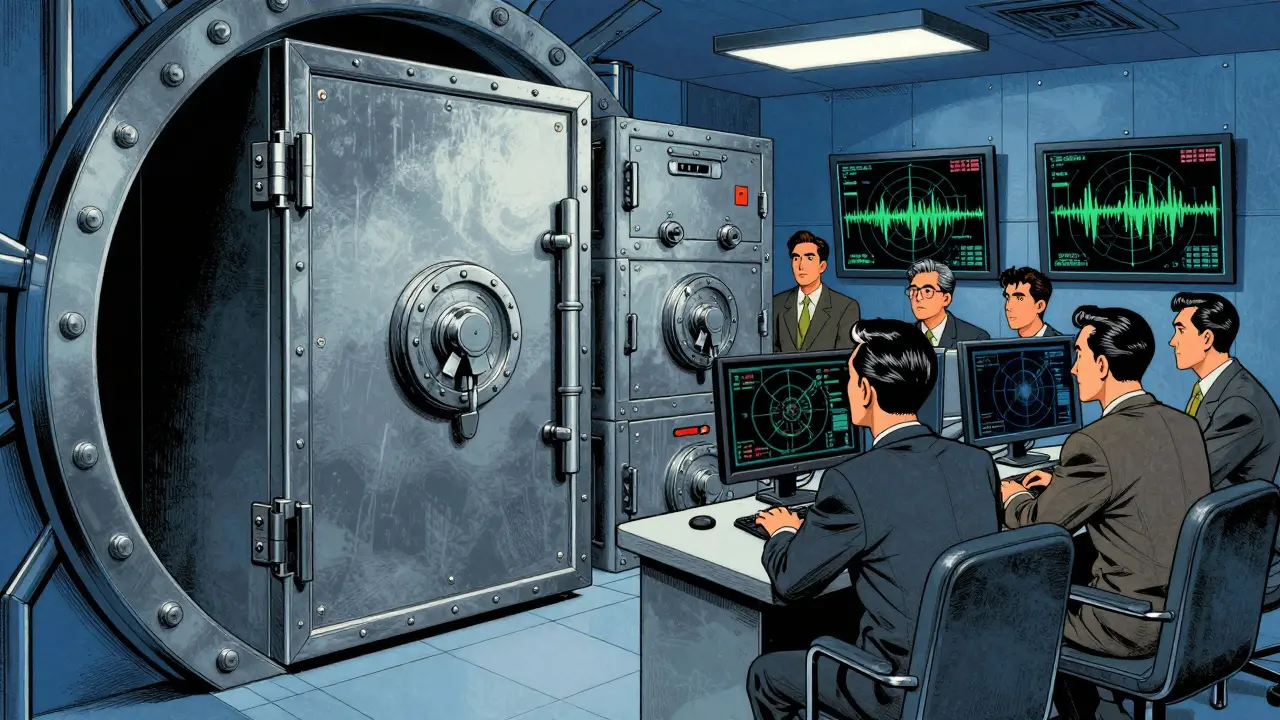
Japan’s strict security rules stem directly from the 2018 Coincheck hack, where $534 million worth of NEM tokens were stolen. The regulators decided that hot wallets were too risky. Today, the requirements are brutal but effective.
| Requirement | Specification | Purpose |
|---|---|---|
| Cold Storage Ratio | Minimum 95% of user assets | Prevent loss from online hacks |
| DDoS Protection | Withstand attacks > 1 Tbps | Ensure service availability during attacks |
| Incident Response | Team available within 15 minutes | Rapid mitigation of security breaches |
| Audits | Regular third-party security reviews | Verify system integrity independently |
You also need multi-signature wallet systems and 24/7 monitoring. These aren't suggestions; they are verified by the Japan Virtual Currency Exchange Association (JVCEA) is a self-regulatory organization for crypto exchanges in Japan. If you fail an audit, you lose your license. There is no grace period for negligence.
The JVCEA Layer: Self-Regulation That Bites
While the FSA sets the legal floor, the JVCEA sets the practical ceiling. Eighteen of the 21 licensed exchanges are members. Why? Because operating outside the JVCEA makes banking relationships nearly impossible.
The JVCEA enforces stricter standards than the FSA. The biggest hurdle is their Token Listing Committee. They review every new token you want to offer. In Q2 2025, they rejected 72% of applications. They look for:
- Comprehensive whitepapers explaining utility
- Smart contract audits from Japanese-certified firms like NCC Group
- Plans to prevent market manipulation
If you want to list a trending meme coin, forget it. The JVCEA froze listings for 30 days in April 2025 specifically to curb speculative risks. This creates a lag compared to global markets, but it protects your users-and your reputation.
The Big Shift: From PSA to FIEA
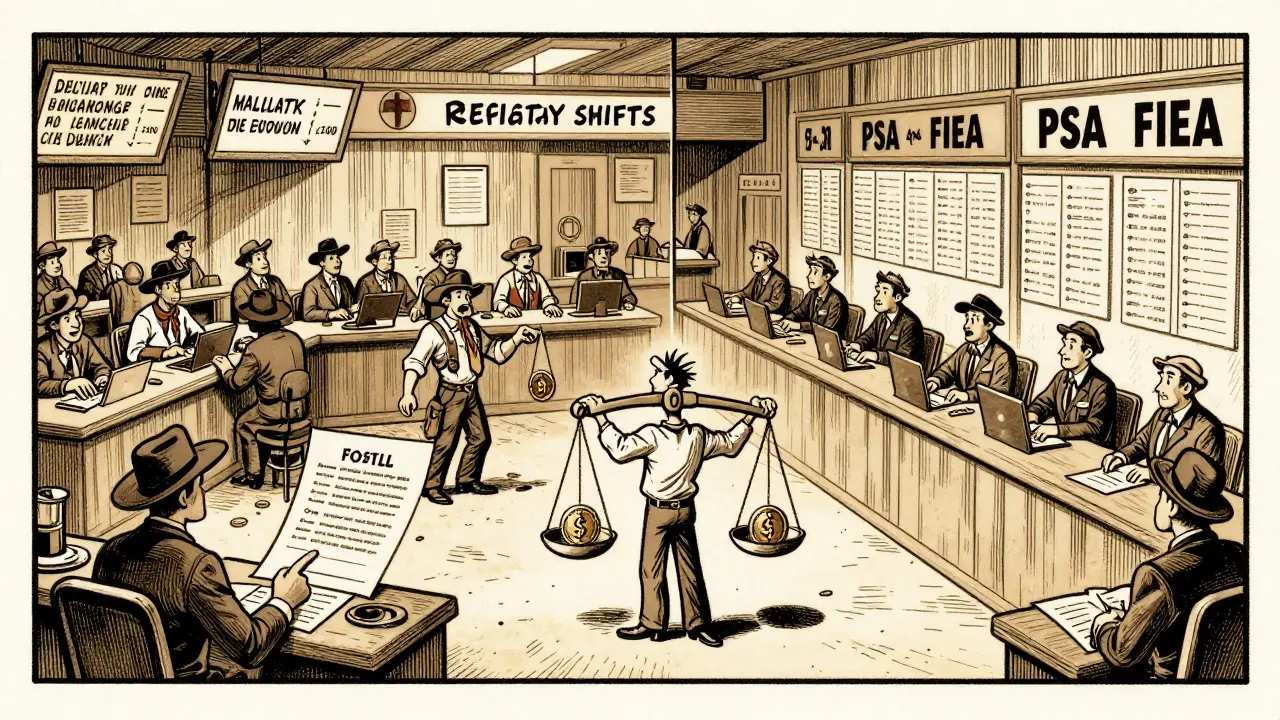
In September 2025, the FSA announced a massive change. Crypto assets are moving from the Payment Services Act to the Financial Instruments and Exchange Act (FIEA). This happens fully by March 2026.
What does this mean for you?
Under the PSA, crypto was treated as a payment tool. Under the FIEA, investment-oriented tokens are treated as securities. This brings heavier disclosure requirements and investor protection rules. Hans Lombardo, FSA Deputy Director, called this "proportionate oversight." For traders, it means fewer scams. For exchanges, it means more paperwork.
The framework is now tiered:
- Payment Tokens: Follow modified PSA rules. Simpler compliance.
- Investment Tokens: Face full securities regulation under FIEA. Strict reporting, higher capital buffers, and detailed disclosures.
This aligns Japan closer to traditional finance. It removes the ambiguity that plagued the U.S. market, where the SEC and CFTC fought over jurisdiction. In Japan, the rules are clear, even if they are expensive.
Costs and Operational Realities
Let’s talk money. Compliance eats revenue. Japanese exchanges spend about 25% of their income on compliance, compared to 15% for Singapore-based platforms. Here is where that cash goes:
- Staffing: A senior compliance officer with Japanese regulatory experience earns around ¥12 million ($78,000) per year. You need several of them.
- AML Systems: Your anti-money laundering software must process over 10,000 transactions per second while meeting FATF standards.
- Banking Partnerships: Only 8% of Japanese banks currently service crypto exchanges. Securing a fiat on-ramp is a major operational hurdle. You will need dedicated relationship managers.
However, the cost buys you trust. An FSA survey showed 87% of users feel secure using licensed exchanges. That confidence drives volume. Japan has over 12 million registered crypto accounts, making it the world’s third-largest market after the U.S. and India.
Restrictions That Limit Product Offerings
You cannot offer everything. Japan restricts certain features to protect retail investors.
- Leverage Trading: Margin trading is capped at 2x leverage. This was reduced from 4x in 2023. Professional day traders often leave for Dubai or unregulated offshore platforms because of this.
- Token Selection: You can only list tokens approved by the JVCEA. No obscure altcoins or unvetted DeFi tokens.
- Bank Holdings: Banks still cannot hold crypto directly due to 2020 guidelines. However, the FSA is reviewing this. By 2026, megabanks like Mitsubishi UFJ might enter the space as licensed operators, changing the competitive landscape.
These restrictions hurt short-term innovation but ensure long-term stability. If you build your product around high-leverage trading, Japan is not your market. If you build around secure custody and compliant spot trading, it is a goldmine.
Is the Regulatory Sandbox Right for You?
If you are testing a new blockchain project, consider the FSA’s regulatory sandbox. Established in 2018, it has accelerated 27 projects, including cross-border payments by SBI Ripple Asia. It cuts approval timelines by 40%. It is not a free pass, but it allows you to test innovations with lighter compliance burdens before facing the full weight of the FIEA.
The key is to use the sandbox to prove your model works safely. Once you exit, you must meet all standard licensing requirements.
How much does it cost to get a crypto exchange license in Japan?
Expect to spend between USD 500,000 and USD 1 million to achieve full compliance. This covers legal fees, security audits, staffing, and the 6-month shadow operation period. Minimum capital requirement is 10 million yen.
Can a foreign company operate a crypto exchange in Japan?
Yes, but you must form a local joint-stock company (kabushiki-kaisha) with a physical office in Japan. You also need a resident manager who bears personal responsibility for regulatory compliance.
What is the difference between PSA and FIEA regulation?
The Payment Services Act (PSA) treated crypto as payment tools. The Financial Instruments and Exchange Act (FIEA), fully implemented by March 2026, treats investment-oriented tokens as securities, requiring stricter disclosure and investor protection measures.
Why do exchanges need to join the JVCEA?
While not legally mandatory, joining the Japan Virtual Currency Exchange Association (JVCEA) is practically essential. Most banks require JVCEA membership before servicing an exchange. It also provides access to industry best practices and token listing committees.
Can I offer leveraged trading in Japan?
Yes, but leverage is strictly capped at 2x. This restriction was introduced to protect retail investors from excessive losses. Higher leverage products are prohibited for licensed exchanges.
How long does the licensing process take?
The average timeline is 18 to 24 months. This includes setting up the entity, undergoing security audits, completing the 6-month shadow operation period, and receiving final FSA approval.