Smart Contracts for Property Sales: How Blockchain Is Changing Real Estate Transactions
 Dec, 12 2025
Property Transaction Cost Calculator
Smart Contract vs. Traditional Transaction Costs
Estimate how much you could save when using smart contracts for property sales
Your Savings Estimate
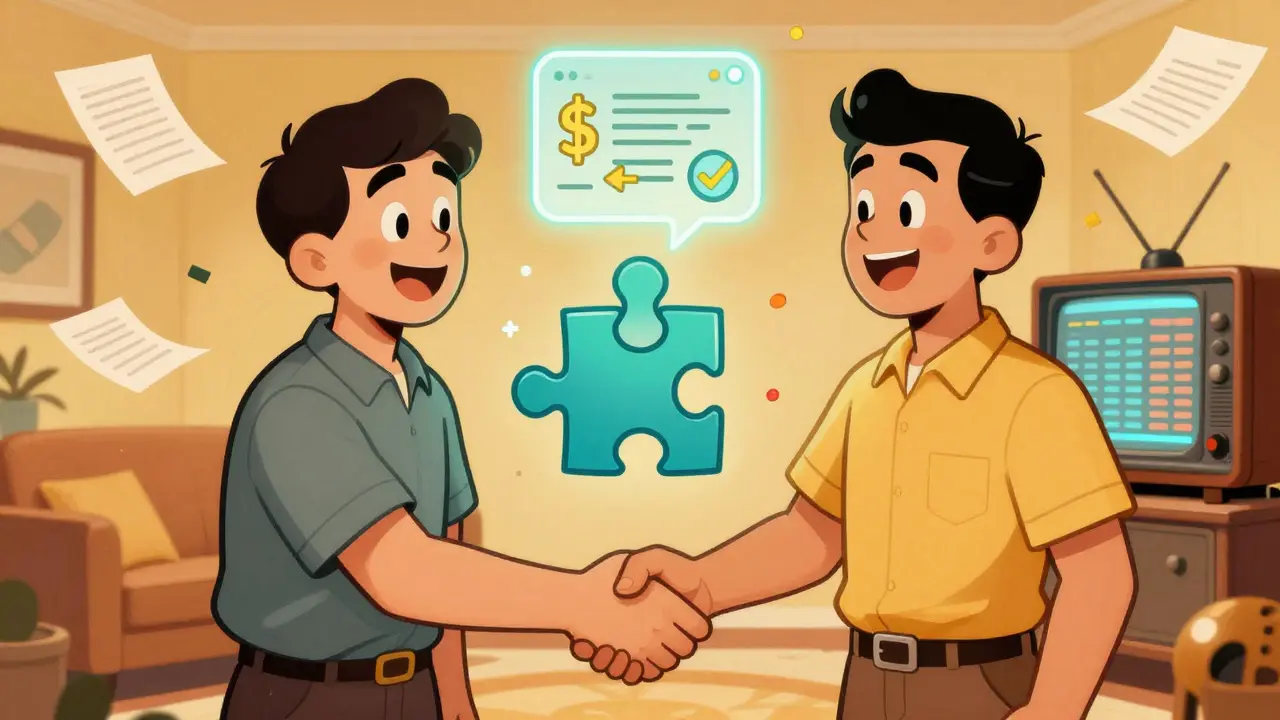
Imagine selling your house without a real estate agent, without waiting weeks for bank approvals, and without stacks of paperwork. No escrow officer, no notary appointments, no last-minute surprises. Just a digital agreement that executes itself when the money hits the account - and suddenly, the title is yours. This isn’t science fiction. It’s happening right now with smart contracts for property sales.
What Exactly Is a Smart Contract in Real Estate?
A smart contract is a self-executing program stored on a blockchain. It runs exactly as written - no exceptions, no delays, no human interference. In property sales, it’s coded to trigger actions like transferring ownership, releasing funds, or updating land registries when certain conditions are met. For example: if the buyer sends $500,000 to the agreed wallet, then the property title is automatically updated in the blockchain ledger. Unlike traditional contracts that rely on lawyers and notaries to enforce terms, smart contracts enforce themselves. The code is the law. And because it’s on a blockchain, every step is recorded, visible to all parties, and impossible to alter after the fact. This isn’t just about convenience. It’s about trust. When both buyer and seller can see the same code, the same timeline, and the same outcome, there’s no room for miscommunication or manipulation. That’s why early adopters say the biggest win isn’t speed - it’s certainty.How Smart Contracts Automate Property Sales
Here’s how a typical property sale flows with smart contracts:- Property digital identity - The home’s legal description, survey data, tax records, and title history are uploaded and verified on-chain. Think of it as a tamper-proof digital passport for the property.
- Terms encoded - Buyer and seller agree on price, deposit amount, inspection deadlines, and closing date. These are written into the contract as code. For example: “Release title only after proof of mortgage approval and inspection clearance.”
- Multi-party authentication - Buyer, seller, lender, and title authority each sign off digitally using encrypted keys. No single person controls the process.
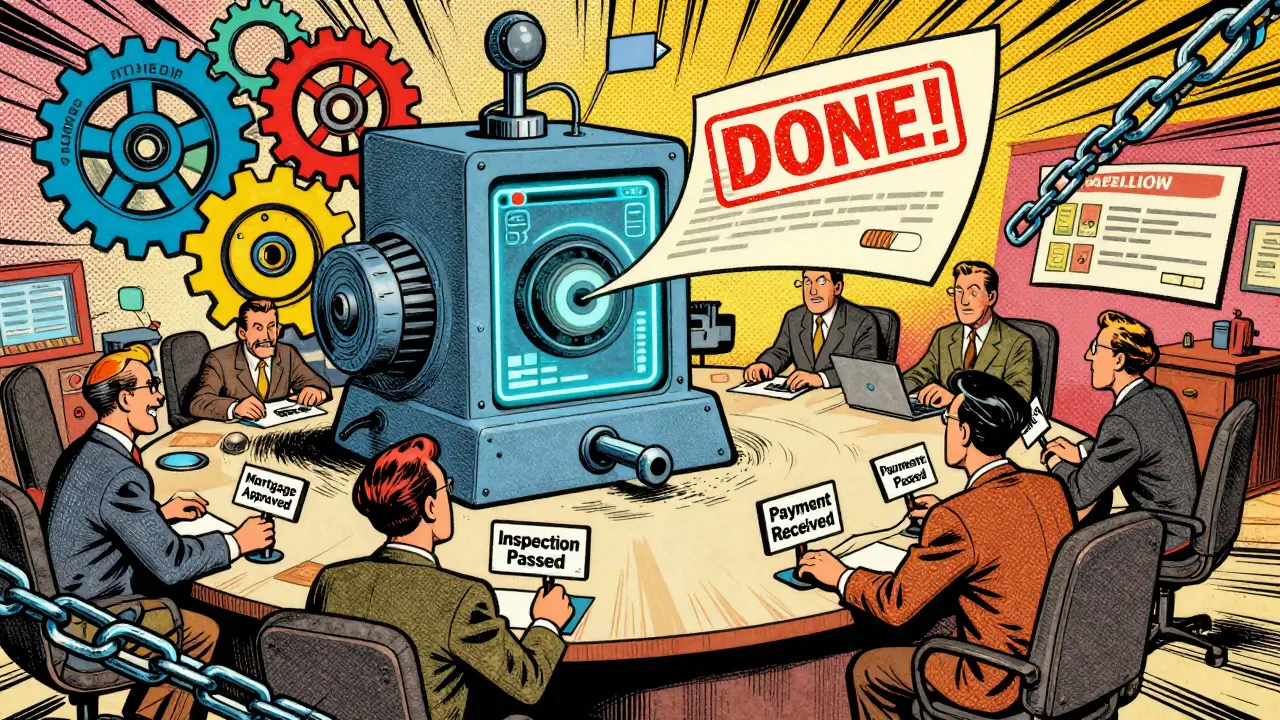
- Automated execution - When the buyer’s payment clears, the system checks: Is the inspection report uploaded? Is the mortgage approved? Are all signatures valid? If yes - the title transfers instantly. Funds move to the seller. Fees are distributed. Records update.
- Immutable record - The entire transaction is permanently logged on the blockchain. Anyone with access can verify it, forever.
Why This Beats Traditional Property Sales
Traditional real estate transactions are a maze. You’ve got agents, lenders, title companies, appraisers, inspectors, attorneys - each with their own timelines, fees, and paperwork. The average closing takes 45 to 60 days. Costs can hit 5-8% of the sale price. Smart contracts cut through that noise:- Costs drop by up to 50% - Remove agents, escrow agents, and notary fees. The only real cost is the blockchain transaction fee - often under $10.
- Closing time shrinks to 2-5 days - No more scheduling delays. Everything happens automatically when conditions are met.
- Transparency is built-in - Every party sees the same data. No hidden clauses. No last-minute changes.
- Fraud drops dramatically - Fake titles, forged signatures, double sales - all nearly impossible on a verified blockchain.
Where It Falls Short - And Why It’s Not Everywhere Yet
Smart contracts aren’t magic. They can’t handle everything. For one, they struggle with ambiguity. What if the buyer’s inspection finds mold, but the seller disagrees on the severity? A human judge or mediator might need to step in. Smart contracts can’t interpret nuance - only logic. Then there’s the legal side. In many countries, including parts of the U.S., Canada, and New Zealand, digital signatures and blockchain-based title transfers aren’t yet fully recognized under real estate law. Even if the code works perfectly, a court might not accept it as valid without legislative backing. Also, not everyone can code. If you’re a first-time buyer or a senior seller, navigating a blockchain interface can feel overwhelming. Poorly written contracts have led to lost funds - because once you send crypto to a smart contract, there’s no “undo.” And then there’s adoption. Most real estate professionals still use paper forms and email. Training agents, lenders, and title officers to use blockchain tools takes time, money, and willpower. Right now, only a small fraction of global property sales use smart contracts - but that’s changing fast.Real-World Use Cases Beyond Buying and Selling
Smart contracts aren’t just for full property sales. They’re already being used in other real estate areas:- Tokenized ownership - A $1 million house can be split into 10,000 digital shares. Each share represents 0.01% ownership. Investors can buy fractions without needing to own an entire property.
- Automated rentals - Rent due on the 1st? The contract checks the tenant’s wallet. If funds are there, it unlocks the digital door lock. If not, it locks it. Security deposits are held in escrow and released automatically after move-out inspections.
- Co-ownership agreements - Two families buying a vacation home together? The contract can automatically split maintenance costs, utility bills, and rental income based on agreed percentages.
- International buyers - A Singaporean investor can buy a Wellington apartment without flying in. The contract handles currency conversion, tax withholding, and title transfer - all in one step.
What You Need to Get Started
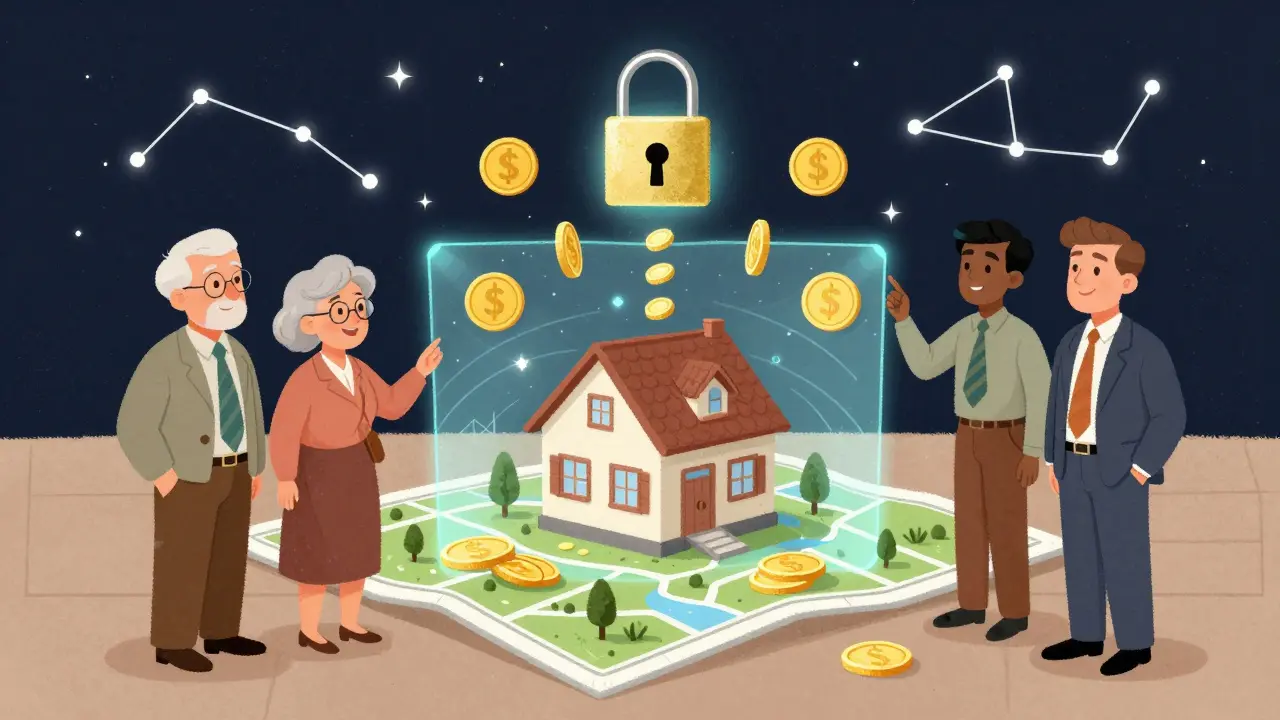
If you’re considering using smart contracts for a property sale, here’s what you need:- A clear agreement - Work with a lawyer who understands blockchain. Every condition must be precise. “Buyer pays $500,000” is good. “Buyer pays a fair price” is not.
- Verified property data - Your title, survey, and tax records must be digitally certified. Some governments now offer blockchain-based land registries.
- Digital wallets - Both buyer and seller need secure wallets to hold and transfer cryptocurrency or stablecoins.
- Technical support - Hire a blockchain developer or use a platform like Propy, RealT, or a local New Zealand-based real estate tech provider. Don’t try to code it yourself unless you know what you’re doing.
- Legal review - Even if the code works, make sure it complies with local property laws. In New Zealand, for example, the Land Transfer Act still governs title transfers - smart contracts must align with it.
The Future: Where This Is Headed
In the next five years, smart contracts for property sales will become standard - not because they’re trendy, but because they’re cheaper, faster, and safer. We’ll see:- Integration with IoT - Smart locks, thermostats, and security systems linked to rental contracts, automatically adjusting access when rent is paid.
- AI-powered verification - AI checks inspection reports, credit scores, and mortgage approvals before triggering the contract.
- Government-backed blockchains - Countries like Sweden and Georgia already test blockchain land registries. New Zealand is watching closely.
- Standardized templates - Pre-approved smart contract templates for common transactions, reducing risk and cost.
Final Thoughts
Smart contracts won’t make property sales perfect. But they’ll make them far less messy. The technology removes the friction that’s held real estate back for decades. It turns a process that’s slow, expensive, and full of guesswork into one that’s transparent, fast, and reliable. The question isn’t whether smart contracts will change property sales. It’s how soon you’ll use them - and whether you’ll be ready when the rest of the market catches up.Can smart contracts legally transfer property ownership?
It depends on your country. In places like Sweden, Georgia, and parts of the U.S., blockchain-based title transfers are legally recognized. In others, including New Zealand, the law hasn’t fully caught up - but pilot programs are underway. Even if the contract works technically, you still need legal backing to enforce it in court. Always consult a real estate lawyer familiar with blockchain.
Do I need cryptocurrency to use a smart contract for property?
Not necessarily. Many platforms use stablecoins like USDC or USDT, which are pegged to the U.S. dollar and avoid crypto volatility. Some even allow fiat payments through integrated gateways that convert bank transfers into blockchain-compatible tokens. You don’t need to buy Bitcoin - just a wallet that accepts the currency the contract requires.
What happens if there’s a coding error in the smart contract?
Once deployed, smart contracts can’t be changed. That’s why audits are critical. Reputable platforms use third-party security firms to review code before launch. If a bug causes a problem - like funds being locked - recovery is difficult. Always use audited platforms, never custom code unless you’re a blockchain expert with legal backup.
Can I still use a real estate agent with a smart contract?
Yes - but their role changes. Instead of handling paperwork and coordination, they focus on negotiation, market advice, and client support. Some agents now partner with blockchain platforms to offer hybrid services: human guidance with automated execution.
Are smart contracts safe from hackers?
The blockchain itself is extremely secure. But the smart contract code can have vulnerabilities - like any software. Poorly written contracts have been hacked, leading to stolen funds. Always use platforms that have undergone independent security audits. Never share your private keys. Treat your wallet like a safe deposit box - if someone else has access, it’s not safe.
Candace Murangi
December 13, 2025 AT 06:22Sue Gallaher
December 13, 2025 AT 11:55Jeremy Eugene
December 15, 2025 AT 05:47Bridget Suhr
December 17, 2025 AT 04:08Jessica Petry
December 17, 2025 AT 09:19Taylor Farano
December 18, 2025 AT 22:36Toni Marucco
December 19, 2025 AT 20:19Lynne Kuper
December 20, 2025 AT 12:20Ike McMahon
December 21, 2025 AT 13:33Taylor Fallon
December 21, 2025 AT 20:21Sarah Luttrell
December 22, 2025 AT 00:38PRECIOUS EGWABOR
December 23, 2025 AT 02:13Heath OBrien
December 25, 2025 AT 00:09Kathryn Flanagan
December 25, 2025 AT 23:15amar zeid
December 26, 2025 AT 03:20Alex Warren
December 27, 2025 AT 18:23Steven Ellis
December 29, 2025 AT 02:25Claire Zapanta
December 30, 2025 AT 05:56Ian Norton
December 31, 2025 AT 14:28Nicholas Ethan
January 1, 2026 AT 20:34Kathy Wood
January 3, 2026 AT 17:54Rakesh Bhamu
January 4, 2026 AT 23:16