Social Tokens and Creator Rewards: A Practical Guide to Web3 Monetization
 Aug, 7 2026
Imagine you love a musician. You buy their albums, follow them on social media, and maybe even tip them when they stream live. But here is the catch: you own nothing. If that musician signs with a major label or changes platforms, your connection-and your investment-can vanish overnight. That is the old way of supporting creators.
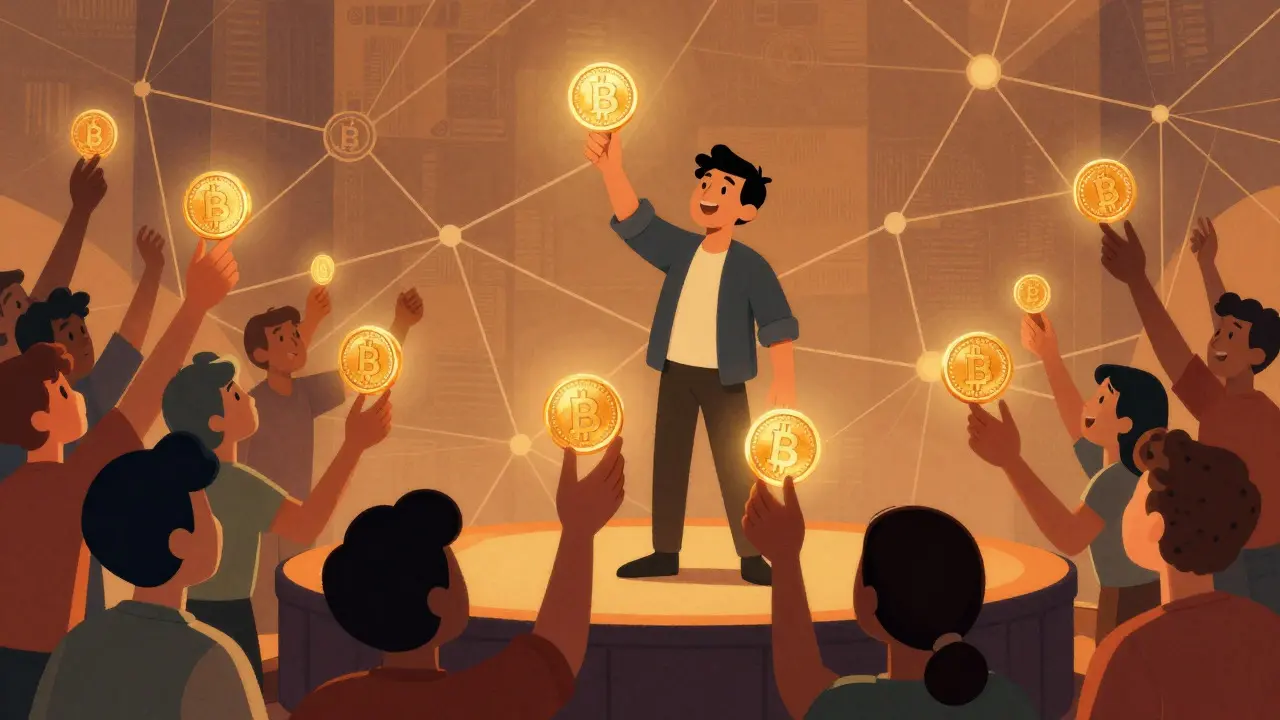
Now, picture a different scenario. You buy a digital token issued directly by that artist. This Social Token is a fungible cryptocurrency issued by an individual or community to represent ownership, access, or governance rights within their ecosystem. Because it lives on the blockchain, it is yours. It can appreciate in value if the artist grows, and it might grant you exclusive access to private events or voting rights on their next album cover. This shift from passive consumption to active ownership is reshaping the creator economy.
What Are Social Tokens?
Social tokens are not just another crypto trend; they are a fundamental change in how value flows between creators and fans. Unlike Non-Fungible Tokens (NFTs), which are unique digital collectibles like one-of-a-kind art pieces, social tokens are fungible. This means every token is identical to the next, much like dollars in a bank account. If you have five tokens from a specific creator, each one holds the same value and utility as the others.
These tokens typically run on established blockchain networks. The most common standards include:
- Ethereum (ERC-20): The original standard for smart contracts. It offers high security but comes with transaction fees (gas) that can range from $1.50 to $5.00 per transfer, depending on network congestion.
- Polygon: A layer-2 solution built on Ethereum that drastically reduces costs, often bringing transaction fees under $0.01.
- Solana (SPL): Known for speed and efficiency, Solana transactions cost fractions of a cent (under $0.00025), making it ideal for micro-transactions and high-volume interactions.
The core idea is simple: creators issue these tokens to build a direct economic relationship with their audience. Instead of relying on algorithms from Instagram or YouTube to distribute ad revenue, the creator controls the supply and utility of their token. As Linda Xie, a prominent voice in the Web3 space, noted in her analysis, these tokens enable community members to collaborate and share ownership in the value created together. This transforms a fan base into a stakeholder group.
How Creators Use Social Tokens for Rewards
Why would a creator bother with the complexity of blockchain? The answer lies in diversification and deeper engagement. Traditional platforms take significant cuts and offer limited control. Social tokens open up new revenue streams and loyalty mechanisms.
Here is how creators typically structure rewards using these tokens:
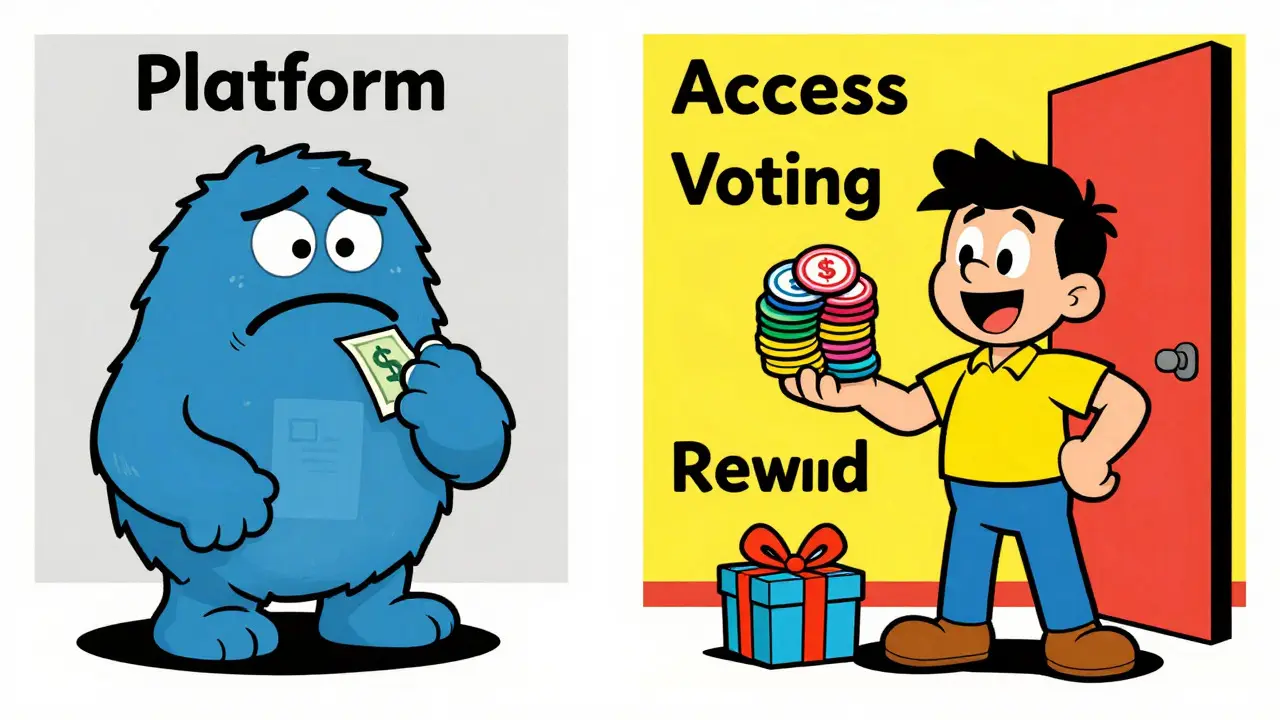
- Access Control: Tokens act as keys. Holding a certain number of tokens might unlock a private Discord channel, a Telegram group, or exclusive content behind a paywall. For example, a creator might require 100 tokens for weekly Q&A sessions and 1,000 tokens for monthly virtual meetups.
- Governance Rights: Token holders can vote on decisions. This could be anything from choosing the color of a new merchandise line to deciding which city the creator visits next for a tour. This gives fans a sense of agency and investment in the creator’s success.
- Financial Appreciation: If the creator becomes more popular, demand for their token may rise, increasing its price. Early supporters who bought in at a low price can see their holdings grow in value, effectively sharing in the creator’s financial upside.
- Utility and Perks: Some tokens can be used to purchase physical goods, such as concert tickets or signed memorabilia, often at a discount reserved only for token holders.
This model works best for creators with highly engaged "superfans." These are users who interact daily with content and are willing to invest time and money beyond casual viewing. Data suggests that social tokens can generate 30-50% higher engagement rates than standard subscription models because the barrier to entry involves actual ownership, not just a monthly fee.
The Risks: Volatility and Regulation
It is not all smooth sailing. While the potential is huge, social tokens come with significant risks that both creators and buyers need to understand.
Price Volatility is the biggest hurdle. According to industry studies, the average social token experiences 40-60% price fluctuation within the first 30 days after launch. This happens because early markets are small and illiquid. A few large sales can crash the price, while hype can spike it unrealistically. Fans buying tokens hoping for quick profits often lose money when the initial excitement fades.
Regulatory Uncertainty looms large. In the United States, the Securities and Exchange Commission (SEC) has scrutinized many token launches. Under the Howey Test, if a token is sold with the expectation of profit derived from the efforts of others, it may be classified as an unregistered security. In 2022 alone, the SEC issued 17 warning letters to token creators. This legal gray area can scare off mainstream audiences and expose creators to lawsuits.
Technical Barriers also remain high. Setting up a wallet like MetaMask or Phantom, managing private keys, and understanding gas fees can be overwhelming for non-technical users. Surveys indicate that nearly 80% of creators find explaining these concepts to their fans difficult. If a fan loses their private key, their tokens-and any associated access-are gone forever.
Comparison: Social Tokens vs. Traditional Platforms
| Feature | Social Tokens (Web3) | Traditional Subscriptions (Patreon/YouTube) |
|---|---|---|
| Ownership | Fans own an asset that can appreciate | Fans rent access; no asset value |
| Revenue Model | Token sales + secondary market trading fees | Monthly recurring payments |
| Control | Creator controls supply and utility | Platform controls rules and payouts |
| Risk | High volatility, regulatory uncertainty | Low risk, stable income |
| User Experience | Complex (wallets, keys, gas fees) | Simple (credit card login) |
| Engagement Depth | High (stakeholders/voters) | Medium (subscribers) |
Getting Started: A Realistic Roadmap
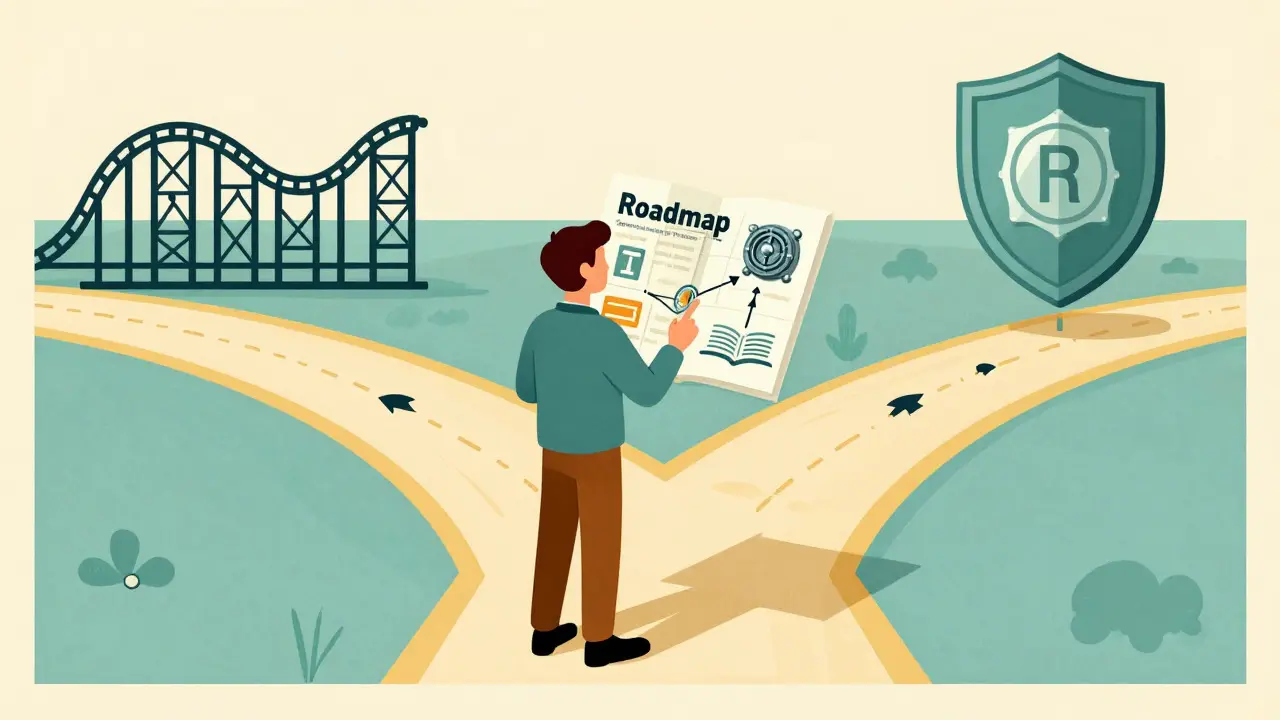
If you are a creator considering this path, do not jump in blindly. The learning curve is steep. Most non-technical creators spend 40 to 60 hours just onboarding before they feel comfortable launching.
Here is a practical step-by-step approach:
- Establish Wallet Infrastructure: Set up a secure wallet like MetaMask (for Ethereum/Polygon) or Phantom (for Solana). Learn how to back up your seed phrase securely. This takes about 5-10 hours of careful study.
- Design Tokenomics: Decide on the total supply, distribution method, and utility. Will you sell 10,000 tokens? What do holders get? Spend 15-20 hours planning this. Avoid arbitrary numbers; base them on your community size and goals.
- Choose a Platform: Consider user-friendly platforms like Rally or Roll. Rally charges no platform fees but takes a small percentage of sales, while Roll offers premium features for a monthly fee. These platforms abstract away much of the coding complexity.
- Educate Your Community: Before launching, create tutorials. Explain what the token does, why it exists, and how to buy it. Austin Rief, a fitness influencer, produced 12 tutorial videos before his launch, which helped maintain 90% of his token's initial value compared to the industry average of 40%.
- Launch and Iterate: Start small. Monitor feedback. Be prepared to adjust utility based on holder requests. Consistency is key-projects with weekly updates maintain significantly higher token values than those that go silent.
The Future of Creator Economy
The landscape is evolving rapidly. We are seeing a shift from pure speculation toward utility. Early social tokens were often viewed as speculative bets on a celebrity's fame. Today, successful projects focus on concrete benefits: real-world event access, merchandise discounts, and genuine community governance.
Platforms are also integrating better. Twitter (now X) has experimented with token features, and dedicated platforms are adding fiat on-ramps so fans don't need to navigate complex crypto exchanges. This lowers the barrier to entry significantly.
However, success remains concentrated among established creators. Data shows that creators with over 50,000 existing followers have a 78% success rate with token launches, compared to just 22% for those with smaller audiences. For newer creators, building a loyal community first, then introducing tokens later, is the safer route.
Social tokens represent a powerful tool for aligning incentives between creators and fans. They turn passive viewers into active partners. But they require transparency, consistent delivery of value, and a willingness to educate your audience. If done right, they can create a sustainable, resilient business model that survives platform changes and algorithm shifts. If done poorly, they risk being seen as cash grabs that erode trust.
Are social tokens legal?
The legality depends on your jurisdiction and how the token is structured. In the US, the SEC has warned that many social tokens may be considered unregistered securities if they promise profit from the creator's efforts. To mitigate risk, creators should focus on utility (access, goods) rather than financial returns and consult legal experts familiar with crypto regulations.
What is the difference between a social token and an NFT?
NFTs (Non-Fungible Tokens) are unique; no two are alike, making them suitable for collectibles like art or music tracks. Social tokens are fungible; each token is identical to another, similar to currency. This makes social tokens better for membership, voting, and standardized access rights.
Which blockchain is best for social tokens?
It depends on your priorities. Ethereum is the most established but has higher fees. Polygon is great for low-cost transactions on the Ethereum network. Solana offers extremely fast and cheap transactions, making it ideal for high-frequency interactions. For beginners, platforms like Rally or Roll handle the blockchain choice for you.
Can I lose money buying social tokens?
Yes. Social tokens are volatile assets. If the creator loses popularity, stops producing content, or if market sentiment turns negative, the token price can drop significantly or become worthless. Always treat social token purchases as high-risk investments or support payments, not guaranteed savings.
Do I need to be a tech expert to use social tokens?
Not necessarily, but you need to learn some basics. You will need to set up a crypto wallet (like MetaMask) and manage a private key. User-friendly platforms are reducing this friction, but understanding how to securely store your assets is essential to avoid loss.