Bitstamp Crypto Exchange: What It Is, How It Works, and What You Need to Know
When you think of a Bitstamp crypto exchange, a long-standing, regulated platform for buying and selling cryptocurrencies with fiat currency. Also known as a centralized crypto exchange, it was founded in 2011 and became one of the first platforms to offer Bitcoin trading in euros and dollars. Unlike decentralized exchanges, Bitstamp holds your funds, verifies your identity, and follows strict financial rules — which makes it slower but safer for beginners and institutions.
Bitstamp operates under European financial oversight, meaning it complies with AML, anti-money laundering rules that require exchanges to verify users and report suspicious activity and MiCA, the EU’s new comprehensive crypto regulation that forces exchanges to be transparent, secure, and licensed. That’s why it’s blocked in places like the U.S. for certain services — not because it’s shady, but because it’s too careful. You won’t find wild meme coins or anonymous trading here. What you get is Bitcoin, Ethereum, and a handful of major tokens, traded with real bank transfers, wire fees, and clear order books.
Compare that to platforms like dYdX or KyberSwap, which claim to be decentralized but still block users based on location. Bitstamp doesn’t hide behind decentralization — it owns its compliance. That’s why banks still work with it, and why big investors use it for on-ramps. But it’s not perfect. Fees are higher than some DEXs, customer support can be slow, and if you’re looking for niche tokens or high-yield farming, you’ll need to go elsewhere. Still, if you want to buy your first Bitcoin with a credit card, or move funds from EUR to LTC without guessing which wallet address to use, Bitstamp is one of the few platforms that won’t leave you stranded.
What you’ll find in the posts below isn’t just a list of articles — it’s a map of the real crypto world. You’ll see how exchanges like BitKub and Cashierest rose and fell, why some DEXs shut down with fake volume, and how regulations like AML and MiCA force even the biggest platforms to make hard choices. You’ll learn what happens when a country bans crypto banking, or when a platform claims to be decentralized but still blocks users. The truth is, no exchange is truly free or fully anonymous. And if you’re trying to navigate this space without getting burned, knowing how platforms like Bitstamp actually work — not how they market themselves — is the first step.
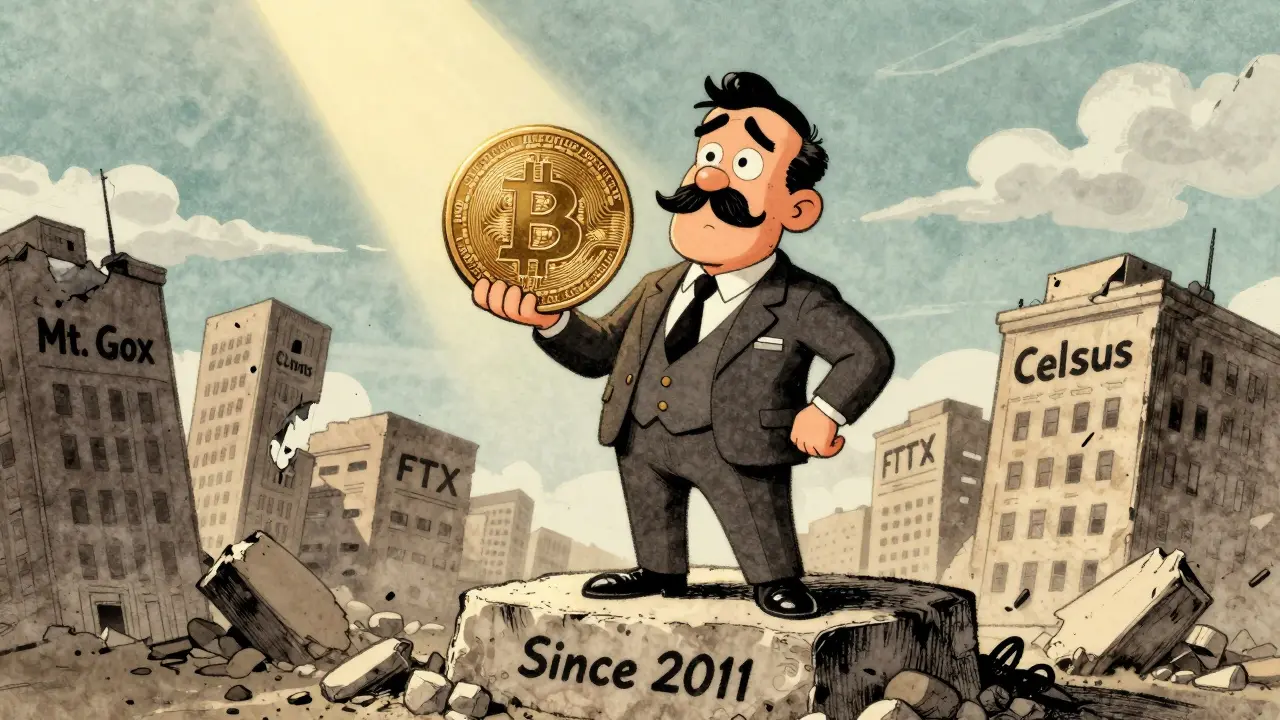
Bitstamp Crypto Exchange Review: Security, Fees, and Is It Right for You in 2025?
Bitstamp is one of the oldest and most regulated crypto exchanges, offering strong security and European compliance. Learn its fees, supported coins, pros, cons, and whether it's right for you in 2025.
Read more