Bitstamp Review: What You Need to Know About This Major Crypto Exchange
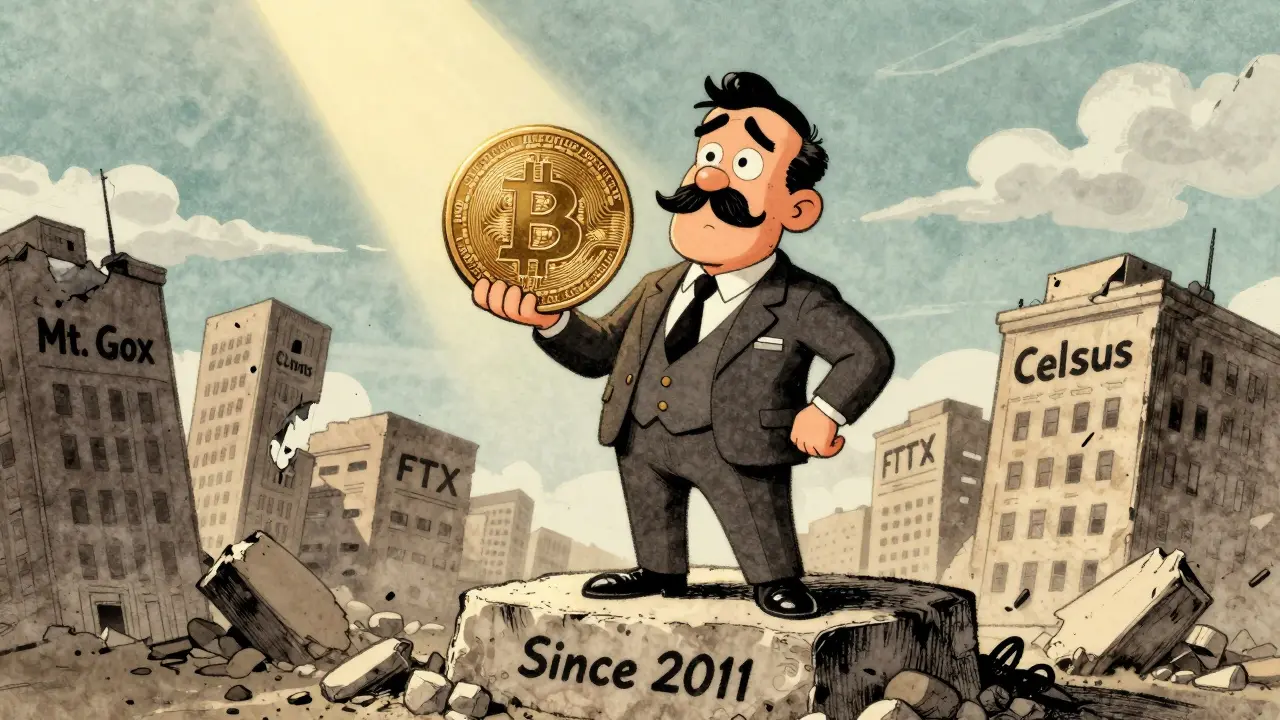
When you're shopping for a Bitstamp, a long-running cryptocurrency exchange founded in 2011 that handles real money trades in USD, EUR, and GBP. It's one of the oldest platforms still operating, and unlike many newer apps, it actually follows financial rules—something that matters when your money's on the line. Bitstamp isn't a flashy DeFi dapp or a zero-KYC meme coin hub. It's a regulated exchange, licensed in the EU and compliant with AML laws, which means you can't just sign up anonymously. But that’s also why it’s still around when so many others vanished.
What makes Bitstamp different? It connects directly to banks. You can deposit euros or dollars and trade them for Bitcoin, Ethereum, or other coins without jumping through hoops. That’s rare. Most exchanges force you to buy crypto first with a credit card, then trade. Bitstamp lets you start with fiat. It also supports cold storage, two-factor authentication, and has never had a major breach—unlike Cashierest, a Korean exchange that shut down in 2023 with user funds stuck, or Oasis Swap, a fake DEX that vanished with fabricated volume. Bitstamp’s track record isn’t perfect, but it’s clean enough that institutions still use it.
It’s not for everyone. If you want to trade obscure tokens or use a mobile app with gamified rewards, you’ll be disappointed. Bitstamp’s interface is simple, not fun. Its fees are higher than some DEXs, but lower than most U.S. brokerages. And while it doesn’t support every crypto under the sun, it lists the ones that actually move—Bitcoin, Ethereum, Cardano, Polkadot, and a few others with real volume. You won’t find XMONEY, a Solana meme coin with zero trading activity and no team here. That’s the point. Bitstamp filters out the noise.
What you’ll find in the posts below are real stories about exchanges that failed, rules that changed, and how regulators are shaping the space. You’ll see how BitKub, Thailand’s top exchange for Thai Baht trading serves locals while ignoring the rest of the world. You’ll learn why dYdX, a platform that claims to be decentralized but blocks users in over 20 countries still has to follow U.S. sanctions. And you’ll see how AML requirements, under EU’s MiCA and AMLR rules now force even the biggest exchanges to verify every user. Bitstamp didn’t survive by luck. It survived by playing by the rules. And if you’re serious about trading, that’s worth knowing.
Bitstamp Crypto Exchange Review: Security, Fees, and Is It Right for You in 2025?
Bitstamp is one of the oldest and most regulated crypto exchanges, offering strong security and European compliance. Learn its fees, supported coins, pros, cons, and whether it's right for you in 2025.
Read more