Play to Earn: How GameFi, NFTs, and Airdrops Turn Gaming into Earning
When talking about Play to Earn, a model where players earn real‑world crypto rewards by participating in blockchain‑based games. Also known as Play‑to‑Earn, it blends entertainment with financial incentives, letting users collect tokens, NFTs, or even stake assets while they game. The rise of this model reshapes how developers design games, how investors evaluate projects, and how everyday gamers think about leisure. In practice, Play to Earn creates a loop: the game attracts users, token economies reward them, and those rewards fund further gameplay or can be sold on markets, fueling growth. This cycle is powered by smart contracts that ensure transparency, low friction, and verifiable ownership of earned assets.
Why Play to Earn matters
At the heart of the ecosystem sits GameFi, the financial layer that adds tokenomics, staking, and yield farming to video games. GameFi requires solid token incentives to keep players engaged, and many projects launch airdrop, a distribution event where free tokens are given to early users or community members as a kick‑start. An airdrop not only seeds the player base but also creates buzz, driving on‑chain adoption and liquidity for the game’s token. The relationship is clear: Play to Earn relies on GameFi’s token economies, while airdrops amplify user acquisition and token circulation. This three‑way connection spurs rapid growth, especially when projects combine low entry barriers with clear reward paths, letting anyone with a wallet join the fun.
Another key piece is NFT gaming, games that issue unique, tradable NFTs as in‑game items, characters, or land. NFTs turn digital collectibles into scarce assets you can buy, sell, or lease, adding real‑world value to gameplay achievements. When NFTs are tied to token rewards, they become powerful hooks: players earn rare items that appreciate in value, and those items can unlock higher staking yields or exclusive game modes. Token rewards, meanwhile, act as the liquid backbone of the system, letting players cash out or reinvest. Together, NFT gaming, token incentives, and occasional airdrops create a self‑reinforcing loop where each element boosts the others, making the Play to Earn space a dynamic arena for both gamers looking for fun and investors hunting for early‑stage opportunities. Below you’ll find deeper dives into each of these topics, from airdrop mechanics to tokenomics, giving you the tools to navigate and profit from this booming sector.
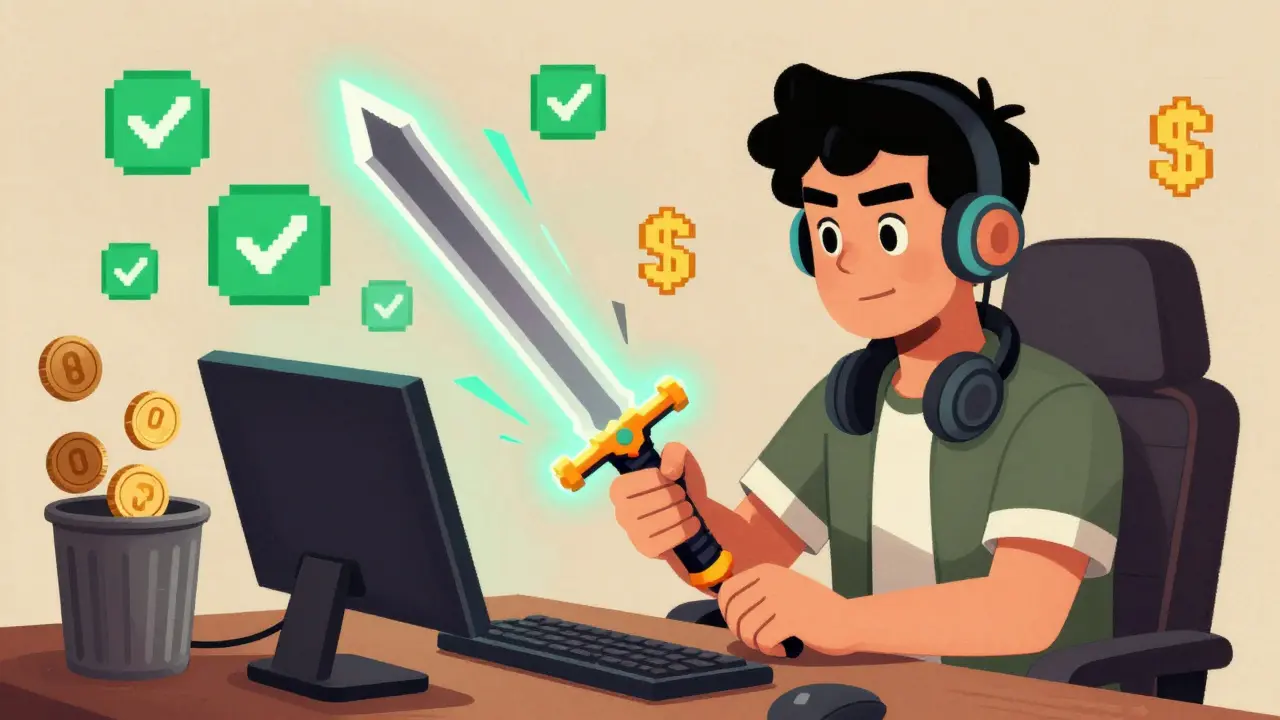
Gaming NFT Market Trends 2026: From Speculation to Utility
Explore 2026 gaming NFT market trends, including the shift from speculation to utility, major blockchain adoptions, and future growth projections.
Read more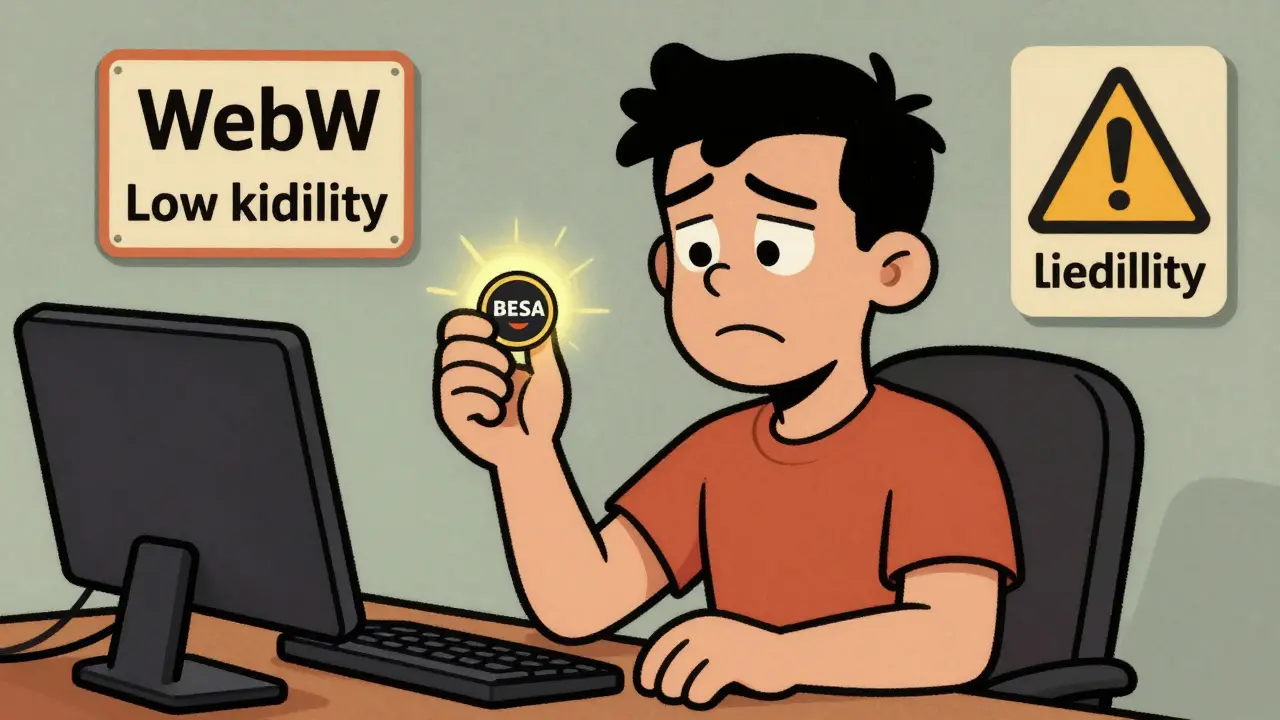
What is Besa Gaming (BESA) Crypto Coin? A Realistic Look at the Token
Explore Besa Gaming (BESA), a micro-cap crypto token using a 4% tax model to reward gamers and holders. Learn about its anonymous team, low liquidity, and trading on DEXs like Uniswap.
Read more
How Cryptocurrency Powers Virtual Worlds
Cryptocurrency is transforming virtual worlds by giving players real ownership of digital assets, enabling play-to-earn economies, and creating decentralized platforms where users build, trade, and govern. This is no longer just gaming-it's a new digital economy.
Read more