TOWER Airdrop Details: Eligibility, Tokenomics, and How to Claim in 2026
 Jun, 27 2026
Have you seen the chatter about the TOWER is a decentralized infrastructure protocol focused on modular blockchain scaling and data availability. Also known as Tower Protocol, it has gained significant attention in the Web3 space for its innovative approach to handling high-throughput transactions. The project aims to solve the trilemma of scalability, security, and decentralization by leveraging advanced cryptographic techniques. airdrop? With the crypto landscape shifting rapidly into 2026, many users are scrambling to understand if they qualify, how much they might receive, and when the tokens will actually hit their wallets. If you’ve been interacting with the ecosystem or hearing rumors from your Discord servers, you’re not alone. But before you start clicking every link that pops up, let’s cut through the noise and look at what we know about this distribution event.
What Is the TOWER Project?
To understand the value of an airdrop, you first need to grasp what the underlying asset represents. TOWER operates as a Layer-2 scaling solution designed to enhance transaction speed and reduce costs on major blockchains like Ethereum. Unlike generic meme coins or vague utility tokens, TOWER focuses on technical infrastructure. It uses a zero-knowledge proof system to verify transactions off-chain while maintaining the security guarantees of the mainnet. This means faster confirmations and lower gas fees for developers building decentralized applications (dApps).
The team behind TOWER has raised substantial venture capital funding from top-tier firms, signaling strong institutional confidence. However, in crypto, funding doesn’t always equal success. What matters more is community adoption and network usage. As of mid-2026, TOWER has processed millions of transactions across its testnet and mainnet beta phases. The upcoming token launch is intended to decentralize governance, allowing holders to vote on protocol upgrades, fee structures, and treasury allocations.
Airdrop Eligibility Criteria Explained
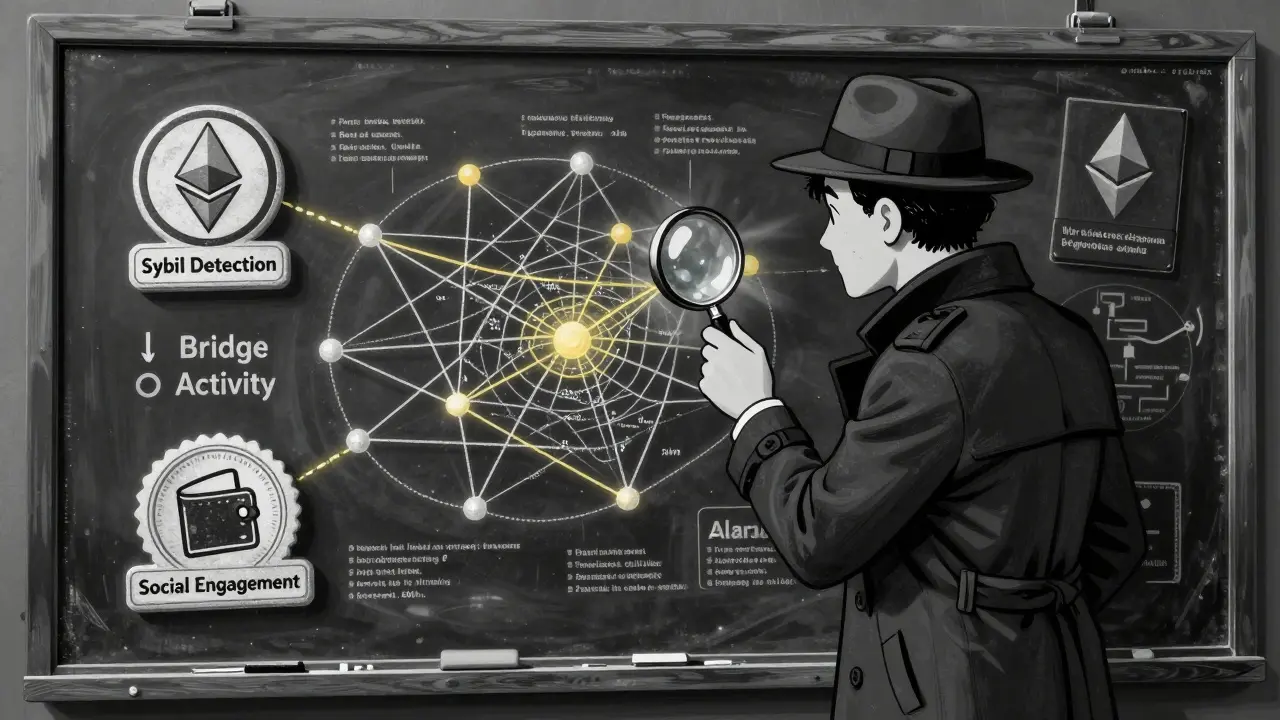
Not everyone who hears about an airdrop qualifies. Projects use sophisticated algorithms to identify genuine users while filtering out bots and sybil attackers. For the TOWER distribution, several key factors determine eligibility:
- Wallet Activity: You likely need to have interacted with the TOWER bridge or dApps during specific snapshot periods. Simple holdings aren’t enough; active usage signals real engagement.
- Chain History: Your Ethereum address history matters. Long-term holders of ETH or other major assets often receive bonus multipliers because they demonstrate loyalty to the ecosystem.
- Social Engagement: While less critical than on-chain activity, joining the official Discord, following verified Twitter accounts, and participating in governance discussions can boost your tier status.
- No Sybil Detection: Be careful. Creating multiple wallets to farm points usually backfires. Advanced heuristics detect coordinated behavior and may blacklist entire clusters of addresses.
If you were active between January 2025 and March 2026, especially during the mainnet beta phase, your chances of receiving a meaningful allocation are higher. Check your transaction history on explorers like Etherscan to see if you’ve bridged assets or deployed contracts on the TOWER network.
Tokenomics and Distribution Breakdown
Understanding how the pie is sliced helps set realistic expectations. Here’s a simplified view of the proposed TOWER token model:
| Allocation Category | Percentage | Vesting Schedule |
|---|---|---|
| Community & Airdrop | 15% | Immediate unlock + 6-month cliff |
| Team & Advisors | 15% | 4-year linear vesting |
| Ecosystem Fund | 20% | Controlled by DAO treasury |
| Public Sale | 10% | Locked for 1 year post-TGE |
| Liquidity & Reserves | 40% | Gradual release over 3 years |
Note that these figures are based on preliminary whitepapers and may change before the final token generation event (TGE). Always verify numbers directly from the official website or GitHub repository. The 15% allocated to the community suggests a generous initial reward pool, but remember that early investors will still hold a significant portion of circulating supply.
How to Claim Your TOWER Tokens
Once the claim window opens, the process should be straightforward-but only if you prepare ahead of time. Follow these steps to ensure a smooth experience:
- Connect Wallet: Use MetaMask, Rainbow, or another compatible wallet connected to the correct network (likely Ethereum Mainnet or Arbitrum).
- Verify Identity: Some projects require basic KYC or social login verification to prevent bot claims. Have your ID ready just in case.
- Check Eligibility: Visit the official dashboard to see your estimated allocation. Don’t trust third-party calculators-they’re often scams.
- Approve Transaction: Click “Claim” and sign the transaction. Gas fees apply, so ensure you have sufficient ETH or MATIC in your wallet.
- Stake Immediately: Consider staking your newly claimed tokens to earn additional rewards and participate in governance votes.
Timing is crucial. Claim windows typically remain open for 30-90 days. Missing the deadline could mean losing your share permanently. Set calendar reminders and bookmark the official announcement channel.
Common Pitfalls to Avoid
In the excitement of potential free tokens, it’s easy to overlook security risks. Here’s what to watch out for:
- Phishing Sites: Never enter your seed phrase anywhere except your actual wallet app. Official sites never ask for private keys.
- Fake Announcements: Scammers create fake Twitter accounts and Discord servers mimicking the real ones. Double-check URLs and handle verifications.
- Overpaying Gas: During peak claiming times, network congestion can spike gas prices. Wait for quieter hours or use layer-2 networks if supported.
- Rushing Decisions: Don’t sell immediately upon claiming. Analyze the token’s fundamentals and market conditions before making trading decisions.
Education is your best defense. Join reputable communities where experienced members share insights rather than hype. Real value comes from understanding the technology, not chasing quick profits.
Future Roadmap and Potential Value Drivers
The TOWER project isn’t stopping after the airdrop. Their roadmap includes integrating cross-chain messaging protocols, launching developer grants programs, and expanding partnerships with major DeFi platforms. These developments could drive demand for the token as it becomes essential for paying transaction fees, securing validator nodes, and governing the protocol.
Additionally, regulatory clarity improving globally in 2026 provides a favorable environment for compliant projects like TOWER. Institutions entering the space may increase liquidity and stability around such tokens. Keep an eye on quarterly reports and technical updates to gauge progress toward these milestones.
When will the TOWER airdrop officially begin?
While exact dates haven't been finalized, announcements suggest the claim period will open sometime in Q3 2026. Monitor official channels for precise timing and any changes to the schedule.
Is there a minimum amount of TOWER tokens I need to claim?
Most projects impose a dust threshold-usually equivalent to $1-$5 USD worth of tokens-to avoid cluttering ledgers with negligible balances. Check the FAQ section on the official site for specific thresholds.
Can I transfer my unclaimed TOWER tokens to another wallet?
No. Airdrop allocations are tied to specific eligible addresses. Once claimed, however, you can freely transfer them to any other wallet under your control.
Will TOWER tokens be listed on centralized exchanges immediately?
Likely yes. Major CEXs tend to list promising Layer-2 tokens within weeks of TGE. Expect listings on Binance, Coinbase, or Kraken depending on regional regulations and partnership agreements.
What happens if I miss the claim deadline?
Unclaimed tokens typically revert to the project's treasury fund. Unfortunately, there's rarely an extension granted afterward. Make sure to act promptly once the window opens.
Jay Sharma
June 28, 2026 AT 14:58they are tracking every single transaction to build a profile on you. the whole decentralization thing is a lie designed to harvest your data while you think you are free. i bridge assets and they know where i live.
Scott Miller
June 28, 2026 AT 22:15This is huge! Finally some real infrastructure that actually works instead of just hype. If you have been active on the testnet, you are sitting on a goldmine. Do not sleep on this opportunity because the early adopters always win big in crypto. Get your wallet ready!
Melissa L
June 29, 2026 AT 11:26i dont really get it but sounds cool? i might try to claim if its easy
ross harris
July 1, 2026 AT 11:00The essence of the tower is not the stone, but the shadow it casts upon the digital landscape. We are merely ants marching towards a sugar cube that may or may not be poisoned by the central bankers of code. It is a beautiful tragedy, really, watching us chase validation from algorithms that do not care about our souls.
Carl Belgrave
July 1, 2026 AT 15:00Why should we trust another foreign protocol when American tech could handle this? The vesting schedule looks like a trap for retail investors. Real strength comes from domestic control and transparency, not some vague DAO governance run by anonymous devs overseas.
Carl Hanzel
July 2, 2026 AT 11:02You people are so naive thinking this will make you rich. It is just another pump and dump scheme disguised as innovation. I see right through the marketing fluff and the fake community engagement. Save your money and your time because you will lose both.
Daniel J. Cox
July 3, 2026 AT 11:57I've been following TOWER since the beta days and it's genuinely exciting to see how they're tackling scalability. The zero-knowledge proofs are implemented really well compared to other L2s. Keep an eye on their GitHub commits, very active team. :)
Emma Rémond
July 4, 2026 AT 04:12The tokenomic structure exhibits classic signs of venture capital dilution. The 40% liquidity reserve is a red flag for potential sell pressure once the cliff ends. Only sophisticated investors with deep pockets should consider allocating capital here, as the risk-adjusted returns are marginal at best for the average participant.
ELNORA JEFFERSON
July 5, 2026 AT 08:09ugh another airdrop. i am so tired of checking my wallet every five minutes. why can't projects just give out tokens without all this drama and waiting around?
Carol @minaszilda
July 6, 2026 AT 04:19It is important to remember that participation in these ecosystems should come from genuine interest. If you find value in the technology, then the reward is secondary. Stay safe and verify everything before connecting your wallet.
Trent Erman1
July 7, 2026 AT 21:40Hey everyone! Make sure you check your eligibility on the official dashboard only. There are so many phishing sites popping up right now. I staked my initial allocation immediately to maximize rewards. Let's grow together! 🚀🌟
Nicole Woessner
July 9, 2026 AT 12:47i think the cross-chain messaging part is really interesting. it could change how different blockchains talk to each other. hope they deliver on that promise soon
Jon Milton
July 11, 2026 AT 08:20We need more projects like this that focus on actual utility rather than speculation. The roadmap looks solid and the partnerships with DeFi platforms are promising. Let's support innovation and keep the space healthy for everyone involved.
Sajjad Ghorbani Moghaddam
July 11, 2026 AT 22:49If you are new to this, just take it slow. Don't rush into claiming if you are not sure. Read the docs and ask questions in the discord if needed. No pressure at all.
Rebecca Shoniker
July 13, 2026 AT 15:22The lack of clear KYC requirements is concerning; however, the reliance on social login verification introduces significant privacy vulnerabilities. One must weigh the convenience against the potential exposure of personal data. Proceed with extreme caution.
Abby Martin
July 14, 2026 AT 04:06I have been in crypto since 2017 and I can tell you that most airdrops go to zero within a month. This one is no different. The team will dump their vested tokens on you the moment they unlock. Do not be the exit liquidity for greedy founders.
Mélanie Boulay
July 15, 2026 AT 09:41While the technical aspects of the zero-knowledge proof system are intriguing, one must also consider the long-term sustainability of the model. The gradual release of liquidity reserves suggests a cautious approach, which is prudent, yet the immediate unlock for the community portion may lead to volatility that could deter serious institutional investors who prefer stability over speculative gains.
Maurice Flynn
July 17, 2026 AT 09:19Just chill and wait for the dust to settle. Usually the price action is crazy in the first week so don't panic sell if it dips. Good vibes only.
Routh Middaugh
July 18, 2026 AT 02:32Is it true that you need to hold ETH to get a multiplier? Or is that just a rumor? I have been using the bridge but haven't held much ETH recently. Please clarify!!!
John Curry
July 18, 2026 AT 15:14The silence of the blockchain speaks volumes. We stand at the precipice of a new era where code is law, yet the law is written by those who wish to remain hidden. A profound irony indeed.
Fiona Ellis
July 19, 2026 AT 16:18I checked my wallet and I got nothing 😭 why me?? did i do something wrong? please help me figure this out because i really want those tokens!! 💔
nancy jarecki
July 20, 2026 AT 22:51The narrative surrounding modular blockchains is oversaturated. Most users cannot distinguish between Layer-2 scaling solutions and data availability layers. This project is just riding the coattails of Ethereum's success without offering any novel cryptographic breakthroughs. Disappointing.
Robert Hundley
July 22, 2026 AT 17:06Let's gooooo! 🎉 This is going to be massive. Everyone join the discord and start farming points if you haven't already. The energy is high and I love it! Let's make some gains together! 💪💰