Vietnam Crypto Legal Status 2026: New Rules for Bitcoin Trading
 May, 24 2026
For years, trading Bitcoin in Vietnam felt like walking a tightrope without a net. You knew the government didn't explicitly ban holding coins, but you also knew they banned using them as money. This "gray area" kept developers anxious and investors cautious. But that uncertainty ended abruptly on January 1, 2026.
Vietnam is no longer operating in the shadows. It has become the first country in the world to pass a comprehensive legal framework specifically for digital assets. If you are looking to trade, invest, or build in Vietnam today, the rules have changed completely. The old advice of "don't get caught" is replaced by "follow the new law." Here is exactly how the landscape looks now, what it means for your wallet, and how the new regulations protect-or restrict-you.
The End of the Gray Area: Law No. 71/2025/QH15
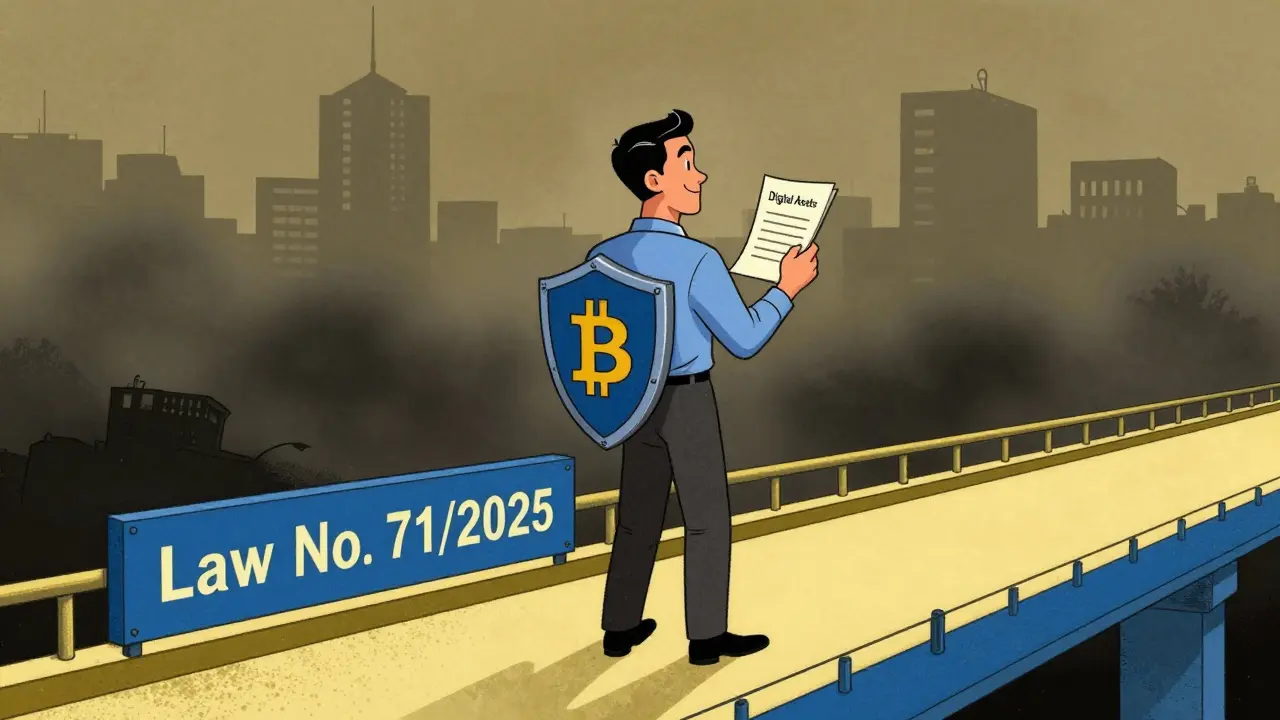
To understand where we are, we need to look at what happened just before 2026. On June 14, 2025, the National Assembly passed Law No. 71/2025/QH15, which is the Digital Technology Industry Law that formally recognizes virtual assets, cryptocurrencies, NFTs, and virtual currencies under Vietnamese law. This was not a minor update; it was a foundational shift. For the first time, crypto assets were granted full civil protection. This means your Bitcoin can be owned, traded, and even inherited just like a house or a car.
Before this law, courts struggled with crypto disputes because there was no clear legal definition. Was it property? Was it a commodity? Now, the law categorizes digital assets into three distinct types:
- Virtual Assets: Used for exchange or investment in electronic environments.
- Crypto Assets: Utilize encryption technology for authentication during creation and transfer (this covers Bitcoin and Ethereum).
- Other Digital Assets: Includes NFTs and utility tokens with specific use cases.
This classification excludes securities and digital forms of legal currency from the crypto definition, keeping financial markets separate from the new digital asset regime. The ambiguity that plagued the sector since 2017 is gone. You now have legal recourse if something goes wrong, provided you are operating within the new framework.
How to Trade Legally: The Role of CASPs
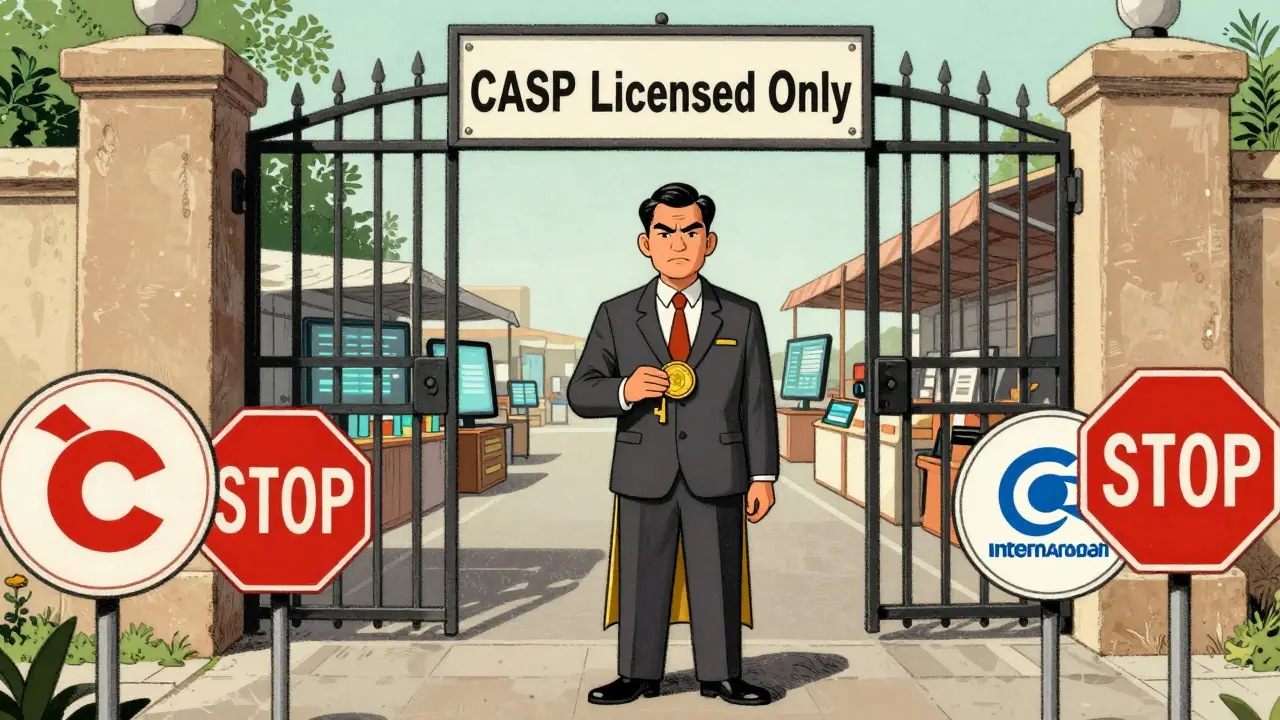
Legal recognition does not mean free-for-all trading. The government wants control, and they have built a strict gatekeeping system. The core of this system is the Crypto Asset Service Provider (CASP), which is a licensed entity authorized to facilitate crypto transactions, issuance, and payments under Vietnamese law.
Under Resolution 05/2025/NQ-CP, signed by Deputy Prime Minister Ho Duc Phoc in September 2025, all crypto transactions must go through these licensed providers. Here is the catch for domestic investors: after a six-month transition period following the licensing of the first CASPs, Vietnamese citizens cannot trade on international exchanges directly. You must use a local, licensed organization.
This creates a significant barrier to entry for small players. To become a CASP, an entity must be a Vietnamese enterprise (limited liability company or joint stock company) with a minimum capital requirement of 10 trillion Vietnamese dong. That is roughly $400,000 USD. This high threshold ensures that only well-capitalized, serious players enter the market, reducing the risk of scams and insolvency. However, it also limits competition, potentially leading to higher fees for users.
| Feature | Pre-2026 (Gray Area) | Post-2026 (Regulated) |
|---|---|---|
| Legal Status | Unclear, risky | Fully recognized, protected |
| Trading Platform | International exchanges (risky) | Licensed local CASPs only |
| Currency Used | USD, USDT, VND mixed | Vietnamese Dong (VND) only |
| Inheritance Rights | Disputed | Legally enforceable |
| Penalties for Violation | Confiscation, fines | Administrative sanctions, penal liability |
Strict Controls: VND Only and Real Asset Backing
If you think getting a license is enough, think again. The operational controls are tight. Resolution 05/2025/NQ-CP mandates that all crypto transactions-from issuance to trading and payments-must be conducted exclusively in Vietnamese dong (VND). You cannot trade Bitcoin for US Dollars or Tether (USDT) directly on these platforms. This isolates the Vietnamese crypto market from global fiat flows, aiming to protect the national currency's stability.
Furthermore, the type of crypto assets you can issue is restricted. Issuers must back their assets with real assets only. Fiat-backed stablecoins (like USDC) and securities-backed tokens are explicitly prohibited. This means if a Vietnamese company wants to launch a token, it must be tied to physical commodities, real estate, or other tangible value. This rule eliminates the volatility associated with algorithmic stablecoins but also removes popular tools used globally for hedging and liquidity.
For foreign investors, the door is slightly wider. They can access crypto assets through CASPs licensed by the Ministry of Finance. However, they still operate under the same strict compliance regimes regarding anti-money laundering (AML) and counter-terrorism financing (CTF). The government is keen to attract capital but not at the cost of financial security.
Taxation and Compliance: What You Need to Pay
With legalization comes taxation. Previously, many traders operated off-the-books, avoiding tax scrutiny simply because the activity was ambiguous. Now, the tax policy for crypto asset transactions temporarily mirrors securities taxation until separate regulations are issued. This implies capital gains taxes may apply to profits made from trading, similar to selling stocks.
Compliance is non-negotiable. Market participants must adhere to strict information security and cybersecurity regulations. The Ministry of Finance and the State Bank of Vietnam are working together to monitor these flows. If you violate the rules-such as trading on unlicensed platforms or bypassing the VND requirement-you face administrative sanctions or even penal liability. The severity depends on the nature of the infraction, but the message is clear: the state is watching.

Why This Matters: Innovation vs. Control
Experts have mixed feelings about this approach. Dr. Tran Quy, President of the Vietnam Institute for Digital Economy Development, calls Resolution 05/2025/NQ-CP a significant institutional decision. He argues that instead of letting digital asset flows operate spontaneously, the government has opened a controlled "runway" for technology and innovation. This view suggests that regulation brings legitimacy, attracting serious institutional investors who previously stayed away due to legal risks.
However, critics point out the heavy-handed nature of the controls. Requiring all trades to happen in VND and through local entities creates friction. It makes cross-border arbitrage difficult and isolates Vietnamese traders from global price movements. Some analysts worry that these strict mechanisms could stifle the very innovation the government hopes to encourage. If developers find it too hard to launch projects due to the "real asset backing" rule, they might move to neighboring countries like Singapore or Thailand.
Despite these concerns, Vietnam ranks among the top countries globally for cryptocurrency adoption. The demand is there. The question is whether this regulatory framework can satisfy both the public's desire for crypto freedom and the government's need for control. The five-year pilot program starting in 2025 serves as a testing ground. If it works, Vietnam could become a regional hub for digital assets. If it fails, adjustments will be needed.
Practical Steps for Investors and Developers
So, what should you do right now? If you are a retail investor in Vietnam, stop using international exchanges immediately if you want to stay fully compliant. Wait for the list of licensed CASPs to be published. Once available, register with one of them to continue trading. Keep records of all your transactions for tax purposes, treating them like securities trades.
If you are a developer or entrepreneur, review your business model. Can your project meet the 10 trillion dong capital requirement? Can you back your token with real assets? If not, consider partnering with an existing licensed entity or exploring jurisdictions with more flexible rules. Do not assume that "blockchain" automatically equals "legal." The technology is supported, but the financial instruments must fit the new box.
Finally, stay updated. The laws are new, and interpretations may change. Follow announcements from the Ministry of Finance and the State Bank of Vietnam. The gray area is gone, but the map is still being drawn.
Is Bitcoin legal in Vietnam in 2026?
Yes, Bitcoin is legally recognized as a "crypto asset" under Law No. 71/2025/QH15. It can be owned, traded, and inherited. However, it cannot be used as a medium of exchange for goods and services, and trading must occur through licensed Crypto Asset Service Providers (CASPs).
Can I trade Bitcoin on Binance or Coinbase in Vietnam?
No. Under Resolution 05/2025/NQ-CP, domestic investors must conduct all crypto transactions through licensed Vietnamese organizations. Using international exchanges is not permitted for residents and may result in administrative sanctions.
What is the minimum capital required to start a crypto exchange in Vietnam?
To become a Crypto Asset Service Provider (CASP), an entity must have a minimum capital of 10 trillion Vietnamese dong. The entity must also be registered as a limited liability company or joint stock company under Vietnamese law.
Are stablecoins like USDT allowed in Vietnam?
Fiat-backed stablecoins like USDT or USDC are prohibited. The regulations require crypto assets to be backed by real assets only. This means tokens must be tied to physical commodities or tangible value, not foreign currencies.
How are crypto profits taxed in Vietnam?
Currently, crypto asset transactions are taxed similarly to securities transactions until separate regulations are issued. This likely includes capital gains taxes on profits. Consult a local tax advisor for specific filing requirements.
When did the new crypto law take effect?
Law No. 71/2025/QH15 took effect on January 1, 2026. The accompanying pilot program under Resolution 05/2025/NQ-CP began earlier, with a six-month transition period for domestic investors to switch to licensed platforms.
Can foreigners invest in Vietnamese crypto assets?
Yes, foreign investors can participate through CASPs licensed by the Ministry of Finance. However, they must comply with all AML/CFT regulations and transaction rules, including the use of Vietnamese dong for settlements.