What is DRIFE ($DRF) Crypto Coin: Facts, Ticker Confusion & Risks
 Aug, 27 2026
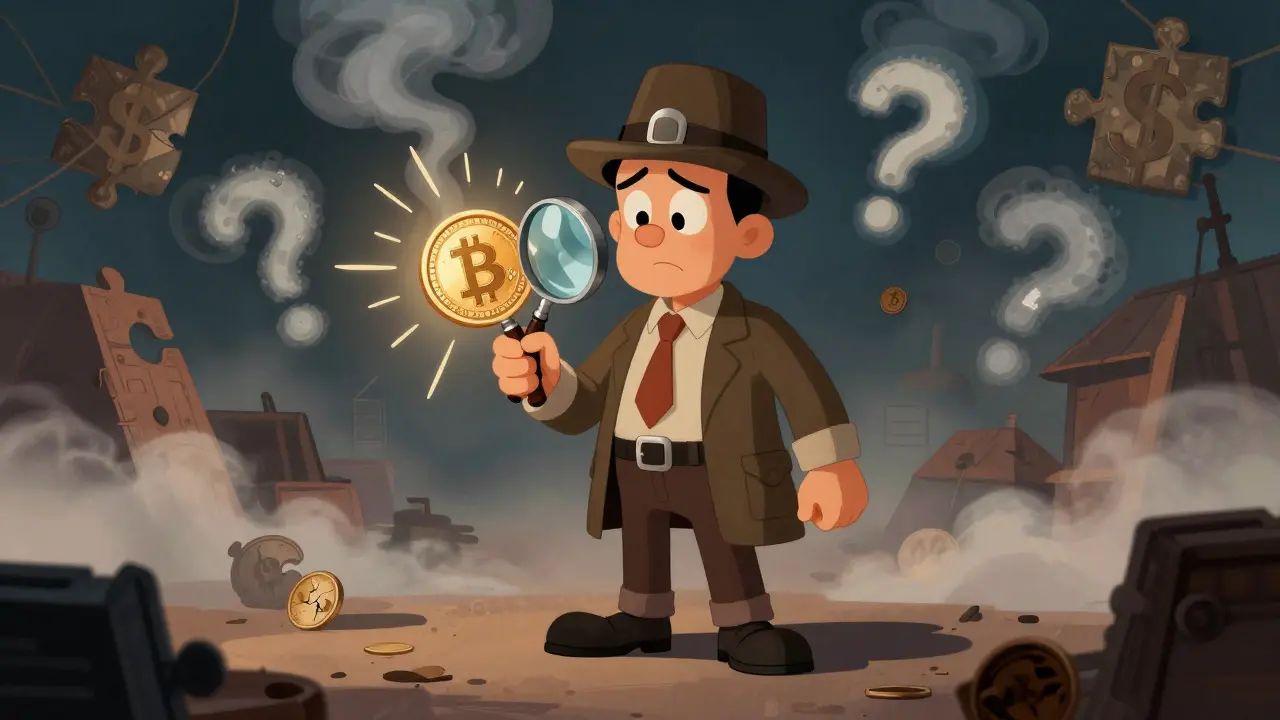
Searching for DRIFE ($DRF) often leads to a confusing dead end. If you are looking for a major cryptocurrency with that exact name and ticker, you might be surprised to find very little reliable data. This usually happens because of a common mix-up in the crypto world: confusing similar names or ticker symbols.
The most likely scenario is that you are actually looking for Drift Protocol, which uses the ticker $DRIFT. Drift is a well-known decentralized finance (DeFi) platform built on the Solana blockchain. However, if you specifically hold a token labeled "DRIF" or see it listed under the name "DRIFE," you need to proceed with extreme caution. In this guide, we will break down what these tokens are, where the confusion comes from, and how to verify the asset you are actually holding.
The Core Confusion: DRIFT vs. DRIF
In the fast-moving world of digital assets, one letter can change everything. The primary source of confusion lies between Drift Protocol ($DRIFT) and smaller, less established tokens that use the ticker $DRIF or similar variations like "DRIFE."
Drift Protocol is a top-tier DeFi project. It offers perpetual futures and spot trading with up to 10x leverage. As of early 2026, it maintains a significant Total Value Locked (TVL) of approximately $1.1 billion, according to data from DefiLlama. It was founded by Cindy Leow and Josh Chand and has gained substantial traction within the Solana ecosystem.
On the other hand, "DRIFE" or "$DRF" does not appear as a dominant entity in major market cap rankings. When users search for "DRIFE," they often land on results for Drift Protocol simply because search engines try to correct typos. But if you bought a specific coin called "DRIFE" on a small exchange or through a private sale, it may be a low-cap micro-cap token, a meme coin, or potentially a rebranding of an older asset. Without a clear, widely recognized identity, such tokens carry higher volatility and liquidity risks compared to established projects like Drift.
Understanding Drift Protocol ($DRIFT)
If your interest in "DRIFE" stems from hearing about a popular Solana-based trading platform, you are almost certainly interested in Drift Protocol. Let’s look at the specifics of this project, as it is the most substantial entity associated with these search terms.
- Platform: Built on the Solana blockchain, known for high speed and low transaction fees.
- Function: A decentralized perpetuals exchange (perps) and spot trading venue.
- Leverage: Offers up to 10x leverage for traders.
- Market Position: Ranked among the top 250 cryptocurrencies by market capitalization.
- Ticker: $DRIFT (not $DRF).
The distinction matters because $DRIFT has institutional backing, a clear utility (governance and staking), and deep liquidity. If you are analyzing price charts or news, ensure you are looking at the correct contract address on a block explorer like Solscan. Using the wrong address is the most common way investors accidentally buy a different, unrelated token.
What Could "DRIFE" Actually Be?
If you are certain the token is named "DRIFE" and not "Drift," here are the three most likely possibilities based on current market trends in 2026:
- A Micro-Cap Meme Token: There are thousands of small tokens on Solana and Ethereum that use catchy names. These often have no underlying technology, relying solely on community hype. They can go up 100% in a day and drop 90% the next.
- A Rebranded Asset: Sometimes projects change their name to avoid trademark issues or to rebrand after a pivot. An older token might have been renamed to "DRIFE" to capitalize on the popularity of "Drift."
- A Scam or Rug Pull: In the absence of verified information, any unknown token with a name similar to a major player should be treated with suspicion. Check if the contract is verified and if the liquidity is locked.
Unlike Drift Protocol, which has transparent TVL data and a visible development team, "DRIFE" lacks these verifiable attributes in public databases. This lack of transparency is a red flag for conservative investors.
How to Verify Your Token
Before you decide to buy, sell, or hold, you must confirm exactly what you own. Here is a step-by-step process to identify the true nature of the coin:
- Check the Contract Address: Go to a trusted block explorer (like Etherscan for Ethereum or Solscan for Solana). Paste the contract address of the token you hold. Look at the official name displayed there. Does it say "Drift" or "DRIFE"?
- Verify the Ticker: Confirm the ticker symbol matches what you expect. $DRIFT is the standard for the protocol. $DRF or $DRFE might indicate a different asset entirely.
- Look for Official Links: Visit the project's official website. Check if it is linked from reputable sources like CoinGecko or CoinMarketCap. If the only place you can find info is a Twitter account with few followers, be cautious.
- Check Liquidity: Use a tool like DEX Screener. If the token has very low trading volume (under $10k daily), it is hard to exit your position without crashing the price.

Risk Comparison: Established vs. Unknown Tokens
To help you make an informed decision, here is a comparison between the well-known Drift Protocol and an hypothetical unknown token named "DRIFE":
| Feature | Drift Protocol ($DRIFT) | Unknown "DRIFE" Token |
|---|---|---|
| Blockchain | Solana | Varies (likely Solana or Ethereum) |
| Primary Function | Perpetual Trading & Governance | Unclear / Speculative |
| Total Value Locked (TVL) | ~$1.1 Billion | Unknown / Negligible |
| Liquidity | High (Major CEXs & DEXs) | Low (Small DEX pools) |
| Risk Level | Moderate (Market Volatility) | High (Liquidity & Fraud Risk) |
This table highlights why due diligence is critical. The risk profile changes dramatically when moving from a top-250 asset to an unverified micro-cap.
Frequently Asked Questions
Is DRIFE the same as Drift Protocol?
No, they are likely different. Drift Protocol uses the ticker $DRIFT. "DRIFE" is not a recognized major cryptocurrency. If you see "DRIFE," check the contract address to ensure you aren't buying a copycat or unrelated token.
Where can I buy $DRIFT?
You can buy $DRIFT on major centralized exchanges like Binance, Bybit, and OKX, as well as decentralized exchanges on the Solana network like Jupiter or Raydium.
What is the risk of buying unknown tokens like DRIFE?
The main risks are illiquidity (difficulty selling) and fraud (rug pulls). Always verify the contract address, check if liquidity is locked, and never invest more than you can afford to lose entirely.
Does Drift Protocol offer leverage?
Yes, Drift Protocol offers up to 10x leverage for perpetual futures trading, allowing traders to amplify both gains and losses.
How do I check if a token is legitimate?
Use block explorers like Solscan or Etherscan to verify the contract. Check CoinGecko or CoinMarketCap for official listings. Look for active development on GitHub and a verified social media presence.