What is eMetals (MTLS) Crypto? Token Overview, Price & Risks
 Jul, 8 2026
Ever stumbled upon a ticker symbol like eMetals and wondered if it’s the next big thing or just another flash in the pan? You aren't alone. The crypto space is flooded with tokens promising to bridge the gap between digital assets and real-world commodities. But when you dig into the specifics of MTLS, the picture gets a bit murkier than the flashy marketing might suggest.
As of mid-2026, eMetals (MTLS) exists as an ERC-20 token on the Ethereum blockchain. It launched around 2024, positioning itself in the niche of metals trading or digital representation of physical assets. However, unlike established giants or even well-known commodity-backed coins, MTLS lacks a clear, widely recognized utility model. If you are looking at buying, holding, or simply understanding this asset, you need to separate the hype from the hard data. Let's break down what this token actually is, how it trades, and why you should tread carefully.
The Basics: What Exactly is eMetals?
At its core, eMetals (MTLS) is a cryptocurrency token operating on the Ethereum network as an ERC-20 standard asset. This means it doesn't have its own independent blockchain. Instead, it relies entirely on Ethereum's infrastructure for security and transaction processing. Think of it like an app running on iOS; it benefits from Apple's ecosystem but isn't Apple itself.
The "e" in eMetals suggests a focus on electronic or digital trading of metals. In theory, tokens like this aim to make investing in gold, silver, or industrial metals easier by fractionalizing ownership. You don't buy a whole bar of gold; you buy MTLS tokens that supposedly represent value tied to those metals. However, here is the catch: there is no public, verified documentation linking MTLS directly to a specific reserve of physical metals. Without a transparent audit or a whitepaper clearly explaining the backing mechanism, it functions more like a speculative meme or community token than a stable store of value.
Launched in 2024, MTLS entered the market during a period where "Real World Assets" (RWA) were trending. Many projects tried to capitalize on this narrative. While some succeeded by partnering with major financial institutions, others faded quickly. MTLS falls into the category of early-stage, low-cap tokens where the primary driver of price action seems to be trading volume rather than fundamental utility.
Price Action and Market Data: What the Numbers Say
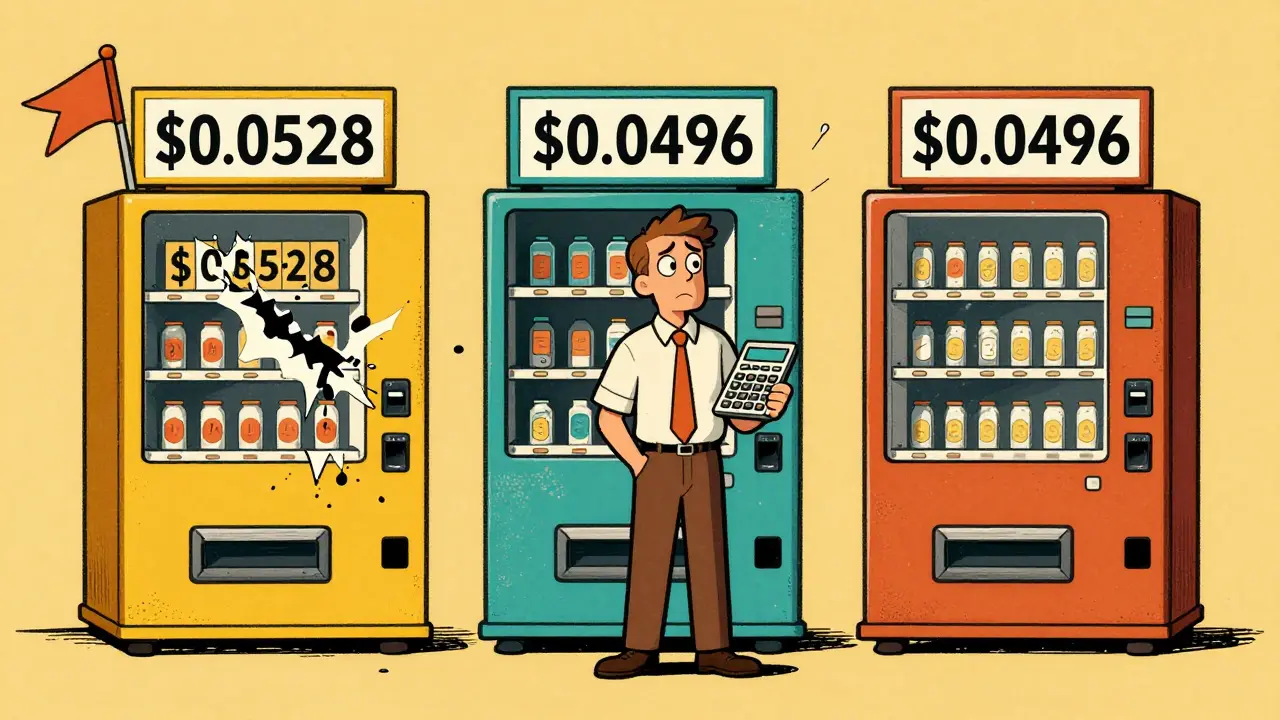
Let's look at the cold, hard numbers. Cryptocurrency prices are volatile, but MTLS shows signs of significant fragmentation across exchanges. As of late 2025 and moving into 2026, the token has traded in a tight range, typically hovering between $0.049 and $0.053 USD.
| Exchange / Platform | Price (USD) | 24h Volume (USD) | Market Cap Status |
|---|---|---|---|
| Binance | $0.0528 | $132,114 | Listed as $0 (Anomaly) |
| Crypto.com | $0.0496 | $116,925 | Active Tracking |
| CoinMarketCap | $0.0502 | $78,731 | Aggregated Average |
Notice the discrepancy? Binance lists a higher price but reports a $0 market cap. This is a red flag. A $0 market cap usually indicates that the circulating supply data is missing, incorrect, or that the token hasn't been fully distributed in a way that aggregators can track. Meanwhile, Crypto.com and CoinMarketCap show slightly lower prices but consistent volume. This variance creates arbitrage opportunities for bots but adds risk for retail traders who might get filled at different prices depending on where they trade.
The daily volatility is modest compared to meme coins-often swinging less than 7% in 24 hours-but that stability can be deceptive. Low volume combined with low liquidity means a single large sell order could crash the price significantly. There is no deep order book protecting holders.
Technical Infrastructure: Ethereum and ERC-20
Since MTLS is an ERC-20 token, it inherits the strengths and weaknesses of the Ethereum network. Your transactions will require "gas fees," which fluctuate based on network congestion. If Ethereum is busy, sending your MTLS tokens could cost more than the tokens themselves are worth. This is a critical consideration for micro-investors.
The contract address for eMetals is publicly listed as 0x197dc7a8a58a7e4f6a5cb82302e8646a125798e7. For any serious investor, verifying this address is step one. Always double-check this against official project channels before sending funds. Scammers often create fake tokens with similar names and slight variations in addresses.
Security-wise, ERC-20 tokens rely on the solidity of their smart contracts. Has MTLS been audited? The available research does not mention any third-party security audits from firms like CertiK or Hacken. Without an audit, you are trusting the developers' code implicitly. If there is a vulnerability in the contract-like an infinite minting bug-the entire supply could be worthless overnight.
The Missing Pieces: Utility, Team, and Roadmap
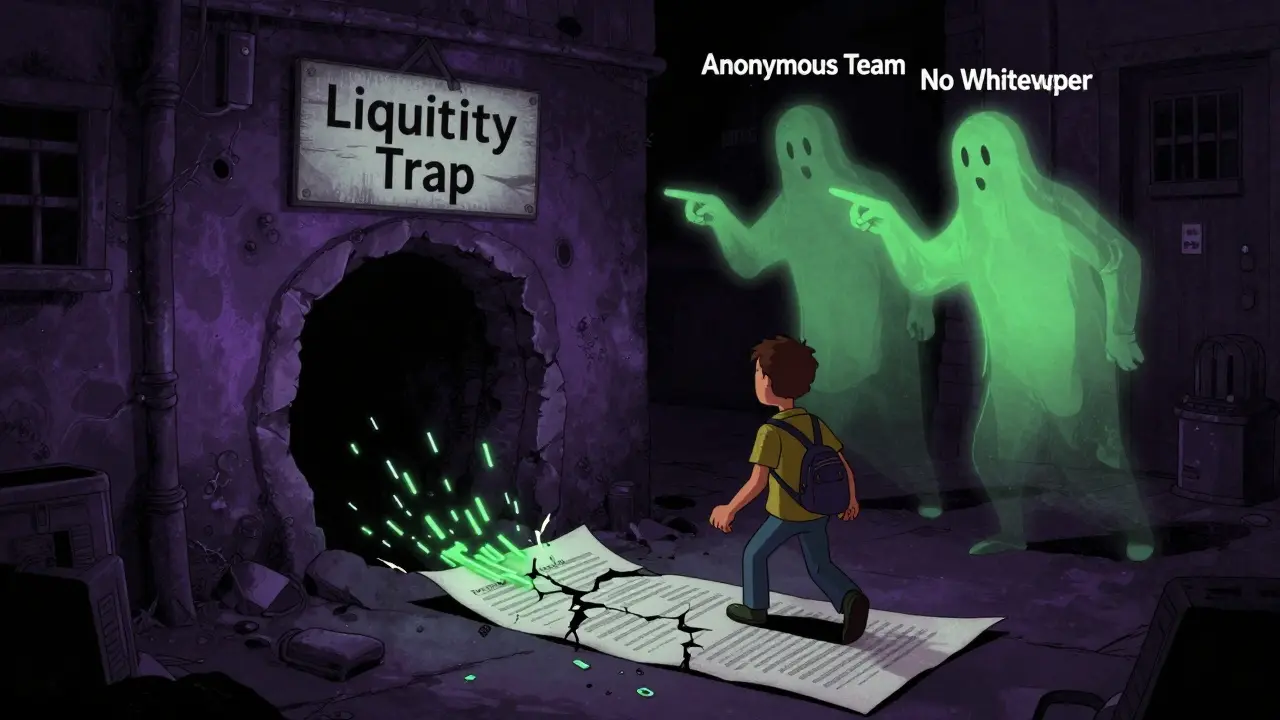
Here is where most investors get burned. They see a price chart and ignore the fundamentals. When we look at eMetals, several critical pieces of information are conspicuously absent:
- No Clear Whitepaper: There is no comprehensive technical document detailing how the metal backing works, if it works at all.
- Anonymous or Obscure Team: No known industry experts or public figures are associated with the development.
- Vague Roadmap: Future plans are not disclosed in major tracking sources.
- Limited Community Presence: Unlike top-tier cryptos, MTLS lacks a massive, active social media following on Twitter, Reddit, or Discord.
This lack of transparency is common in early-stage or "shovelware" projects. These are tokens created quickly to ride a trend without long-term viability. The absence of expert analysis or institutional coverage further isolates MTLS from the mainstream crypto economy. You are essentially betting on speculation, not technology.
How to Buy MTLS (If You Still Want To)
If you've read the risks and still want exposure to eMetals, here is how you generally proceed. Since it's an ERC-20 token, you need a wallet that supports Ethereum, such as MetaMask or Trust Wallet.
- Choose an Exchange: Platforms like Phemex, Crypto.com, and Binance have listed MTLS. Check which one offers the best liquidity and lowest fees for your region.
- Fund Your Account: Deposit fiat currency or another crypto like USDT or ETH.
- Execute the Trade: Search for the MTLS pair. Be mindful of the spread (the difference between buy and sell prices). Due to low liquidity, slippage can eat into your profits.
- Withdraw to Cold Storage: For safety, move your tokens off the exchange to your personal wallet. Never leave significant amounts on centralized platforms.
Note that availability can change. Exchanges delist tokens that fail to meet volume or compliance standards. Always verify current listings before attempting a purchase.
Risks and Red Flags to Watch
Investing in low-cap tokens like MTLS carries high risk. Here are the specific dangers:
- Liquidity Trap: You might be able to buy, but if panic sets in, you may not find enough buyers to sell at a fair price.
- Regulatory Uncertainty: With no clear legal structure, regulators could classify MTLS as an unregistered security, leading to bans or delistings.
- Smart Contract Risk: Unaudited code can contain backdoors allowing developers to drain funds.
- Information Asymmetry: Insiders know more than you do. Without a public team, accountability is non-existent.
Remember, the crypto market is ruthless. Tokens without strong fundamentals often revert to zero. Treat any money spent on MTLS as entertainment capital-money you are fully prepared to lose.
Is eMetals (MTLS) backed by real gold or silver?
There is no public evidence or audit confirming that MTLS is backed by physical metals. While the name implies a connection to metals trading, the token currently operates primarily as a speculative ERC-20 asset without verified reserves.
Why does Binance show a $0 market cap for MTLS?
A $0 market cap on an exchange like Binance usually indicates a data reporting error, incomplete circulating supply information, or that the token is in a pre-market or restricted trading state. It does not mean the token is worthless, but it does signal a lack of transparent data.
Can I mine eMetals (MTLS)?
No. MTLS is an ERC-20 token on the Ethereum blockchain. It cannot be mined. It is purchased on exchanges or acquired through private sales and distributions defined by the token's smart contract.
Is MTLS a safe investment for beginners?
Generally, no. Due to the lack of a clear utility model, anonymous team, and low liquidity, MTLS is considered high-risk. Beginners are advised to stick to established cryptocurrencies with proven track records and transparent governance.
Where can I find the official eMetals website or whitepaper?
As of mid-2026, reliable sources for an official whitepaper or central website are scarce. Investors should exercise extreme caution and verify any links through multiple trusted crypto data aggregators to avoid phishing sites.