What is PlayDapp (PDA) Crypto Coin? A Real-World Breakdown
 Jan, 22 2026
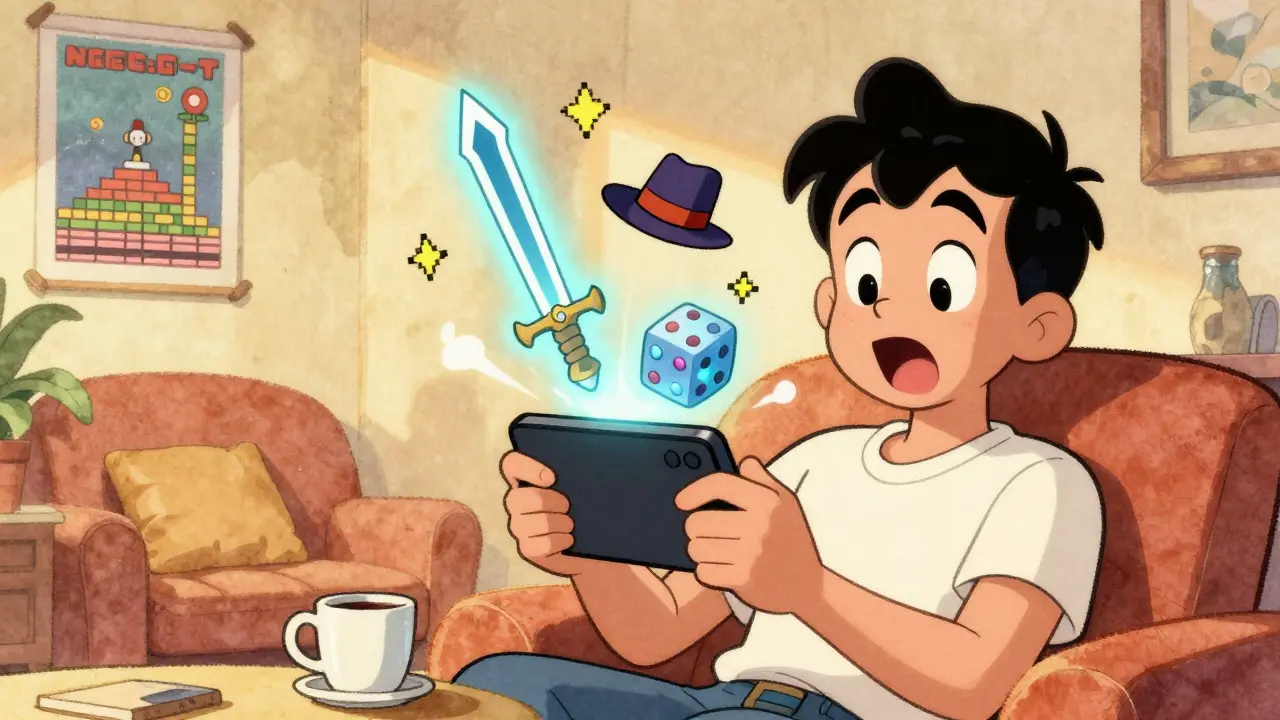
PlayDapp (PDA) isn’t just another crypto coin. It’s a bridge between the games you already play and the blockchain world you’ve heard about but never tried. If you’ve ever bought a skin in Fortnite or traded a rare card in Hearthstone, you’ve already done half the work. PlayDapp lets you turn those kinds of in-game items into real assets you actually own - not just licenses from a company that can delete them tomorrow.
What Exactly Is PlayDapp?
PlayDapp is a blockchain gaming platform built around its native token, PDA. It started as a way to let casual gamers jump into Web3 without needing to understand wallets, seed phrases, or gas fees. The idea? Make blockchain feel like just another feature in a mobile game - not a barrier.
It began life as PLA, an ERC-20 token on Ethereum. But in 2023, it migrated to its own blockchain, the PlayDapp Mainnet. This wasn’t just a rebrand. It was a technical upgrade: faster transactions, lower costs, and better control over the ecosystem. The old PLA tokens were converted into PDA tokens on the new chain. If you held PLA before the switch, you got PDA automatically. If you bought PDA after, you’re already on the new system.
The token itself isn’t magic. It’s an ERC-20 standard (before migration) and now runs on PlayDapp’s own chain. It has security features like multi-signature controls and pause/burn functions - meaning the team can freeze transactions or remove tokens if something goes wrong. That’s not common in crypto. Most projects say they’re decentralized, but they can’t even pause a hack. PlayDapp built in safety nets.
How Does It Work in Practice?
Think of PlayDapp like a gaming app store with blockchain baked in. You download a game - say, a simple match-3 or idle RPG - and play like normal. No crypto needed at first. You earn points, unlock items, complete quests. Then, if you want, you can turn those items into NFTs. That means they’re stored on the blockchain. You can sell them. Trade them. Take them to another PlayDapp game.
That’s the big promise: interoperability. Your sword from Game A might work in Game B. Your rare hat from one title could be worn in another. That’s rare in gaming. Most companies lock your stuff inside their own ecosystem. PlayDapp says: let your stuff move.
The platform has four main parts:
- Mobile Web3 Games - Simple, free-to-play titles designed for phones, with optional blockchain features.
- NFT Marketplace - A place to buy, sell, and trade in-game items as NFTs. All transactions are public on the blockchain.
- DAO Game - A governance system where PDA holders vote on updates, new games, or how funds are used.
- EZ Play Tournaments - Compete in timed events for rewards, some of which are paid out in PDA.
You don’t need to hold PDA to play. But if you want to sell your NFTs, earn tournament prizes, or vote in the DAO, you’ll need it.
Who Owns the PDA Token?
The token supply is fixed at 700 million PDA. As of January 2024, about 642 million are in circulation. That leaves 58 million unissued - likely reserved for future incentives or team use.
The distribution is unusual. 65% (455 million PDA) went to investors and partners. Only 35% (245 million) was allocated to the ecosystem - users, developers, rewards, and team incentives. That’s the opposite of most Web3 projects, which give the majority to the community. Critics say this makes PDA more like a venture-backed startup token than a true decentralized project.
There are 7,780 token holders. That’s tiny. For comparison, Axie Infinity has over 1.2 million. PlayDapp’s user base is estimated at 15,000 monthly active users. Most of those are probably just playing games without touching PDA at all.
How Does It Compare to Other Blockchain Games?
PlayDapp isn’t competing with Axie Infinity or The Sandbox anymore. Those projects have billion-dollar market caps, AAA graphics, and thousands of developers. PlayDapp is trying to win the middle ground - the casual mobile gamer who doesn’t want to learn crypto before playing.
Its real competitors are smaller platforms like MOBOX ($32M market cap) and Vulcan Forged ($28M). PlayDapp’s market cap is around $1.46 million - less than 5% of those. That makes it a high-risk, low-liquidity asset.
Trading volume is low. In January 2024, 24-hour volume was $74,900. Try selling 50,000 PDA? One Reddit user said it took three days to find a buyer. That’s not a market. That’s a garage sale.
But here’s the twist: PlayDapp’s weakness is also its strength. Because it doesn’t require crypto upfront, it’s easier for non-crypto users to try. Axie Infinity made players buy $100+ NFTs to start. PlayDapp lets you play for free. That’s why it’s still alive when so many other gaming tokens died.
Is It Worth Buying PDA?
Let’s be clear: buying PDA is not an investment. It’s a bet on a tiny platform surviving in a graveyard of failed crypto games.
Here’s the reality check:
- Pros: Simple onboarding, no crypto needed to start, real NFTs you can sell, DAO voting rights, and partnerships with Immutable and Chainlink.
- Cons: Tiny market cap, low liquidity, weak community engagement, only 7 exchanges list it, and 83% of gaming tokens under $5M fail within two years.
If you’re a gamer who likes collecting digital items and wants to test blockchain without risk, play the games. Earn free NFTs. See if you like selling them. You don’t need to buy PDA to do any of that.
If you’re buying PDA hoping it’ll go up 10x - you’re gambling. The token’s price is volatile. It jumped 4.5% in a day, then dropped 1.6% over the week. That’s normal for coins this small. But there’s no product traction to back it up yet. No major game launches. No surge in users.
PlayDapp’s future depends on one thing: getting more people to play - not just buy tokens.
What’s Next for PlayDapp?
The roadmap for early 2024 includes:
- Integrating five more game studios into the platform
- Expanding the NFT marketplace with better search and filtering
- Improving DAO voting tools to attract more participants
- Launching new tournaments with bigger PDA prizes
But here’s the catch: they’ve been saying this for a year. The developer portal lists only 47 active projects. That’s not a thriving ecosystem. That’s a skeleton.
The real test? Will they get a breakout hit? One game that goes viral - like a mobile version of Axie Infinity - and pulls in millions of new players? If yes, PDA could rise. If no, it’ll fade quietly into the pile of forgotten crypto projects.
Should You Use PlayDapp?
If you’re curious about blockchain gaming - and you hate the complexity of most Web3 platforms - try PlayDapp. Download the app. Play a game. Collect an NFT. List it on the marketplace. See what it feels like to own something digital that’s truly yours.
Don’t buy PDA unless you’re okay losing it. Treat it like a lottery ticket, not an investment. The real value isn’t in the token. It’s in the experience.
PlayDapp might not be the future of gaming. But right now, it’s one of the few places where you can walk into Web3 without a map - and still have fun.
tim ang
January 24, 2026 AT 03:13Ashok Sharma
January 24, 2026 AT 04:43Steve Fennell
January 25, 2026 AT 10:44katie gibson
January 26, 2026 AT 15:03Sara Delgado Rivero
January 28, 2026 AT 06:48carol johnson
January 29, 2026 AT 12:07Paru Somashekar
January 30, 2026 AT 21:21Catherine Hays
February 1, 2026 AT 18:15Chidimma Catherine
February 1, 2026 AT 21:28Nathan Drake
February 3, 2026 AT 00:32Melissa Contreras López
February 4, 2026 AT 12:44Ryan Depew
February 5, 2026 AT 18:48Kevin Pivko
February 6, 2026 AT 05:14Tammy Goodwin
February 8, 2026 AT 00:52MICHELLE REICHARD
February 8, 2026 AT 19:23