What is RUN TOGETHER (RUN)? A Guide to the Move-to-Earn Coin
 Apr, 23 2026
The Core Concept: How RUN Works
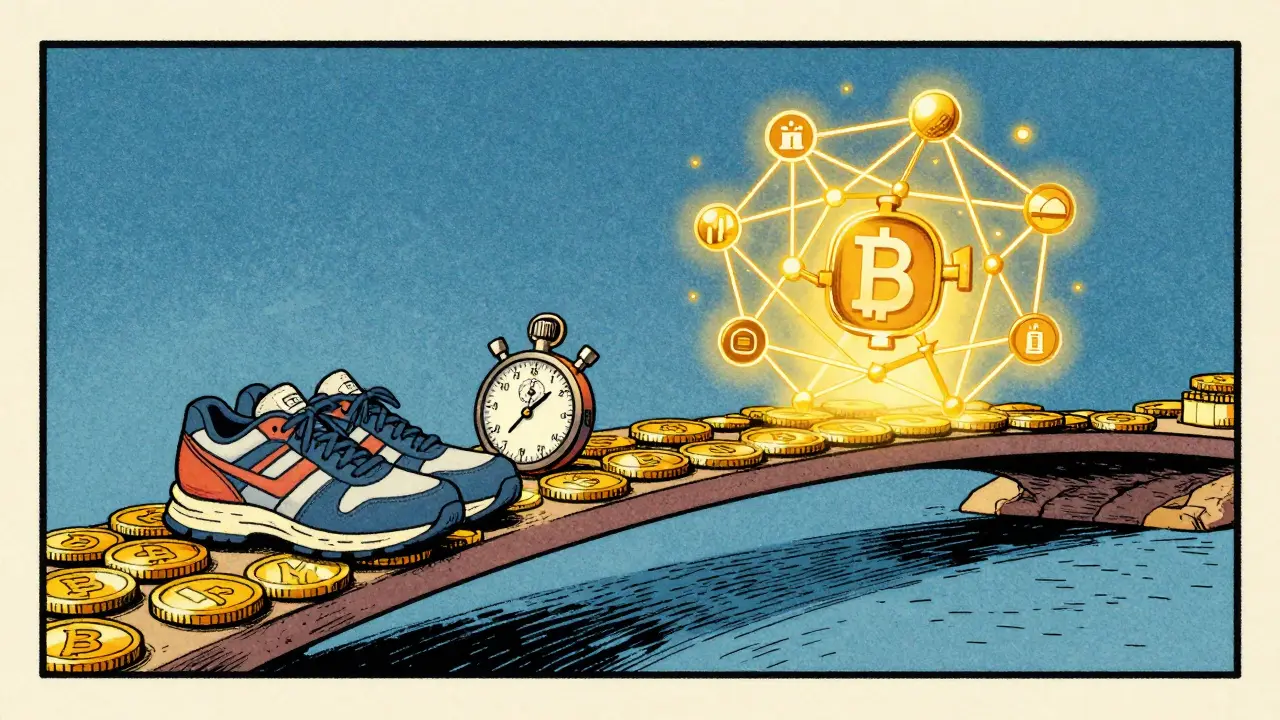
At its heart, RUN TOGETHER operates as a bridge between physical fitness and blockchain technology. By using the app, users track their movement, and the system rewards them with RUN tokens. This creates a positive feedback loop: the more you move, the more you earn.
The project is built on the BNB Smart Chain (also known as BSC), using the BEP20 token standard. Choosing this network was a strategic move, as it generally offers lower transaction fees and faster speeds compared to the Ethereum network. For a project where users might be making many small claims for rewards, high gas fees would kill the experience. By staying on BSC, the project keeps the barrier to entry low for regular people who just want to stay active.
Tokenomics and Supply Breakdown
When looking at any crypto asset, the numbers tell the story. The RUN token has a fixed maximum supply of 250 million tokens. This is a crucial detail because it means no new tokens can be minted out of thin air, which theoretically prevents inflation within the ecosystem. As of the most recent data, about 230 million RUN are currently circulating in the market.
The project got its start with an Initial Coin Offering (ICO) that raised $450,000, selling 45 million tokens to early backers. This initial funding provided the runway to build the app and establish the reward mechanism. If you're tracking the token on a block explorer, you'll find it under the contract address 0xc643...Bb48e7. Knowing the exact contract is vital in the Web3 world to avoid buying "copycat" tokens that often pop up with similar names.
| Attribute | Value |
|---|---|
| Network | BNB Smart Chain (BEP20) |
| Max Supply | 250,000,000 RUN |
| Circulating Supply | ~230,000,000 RUN |
| ICO Funding | $450,000 |
| Launch Year | 2022 |
The Market Reality: Price and Liquidity
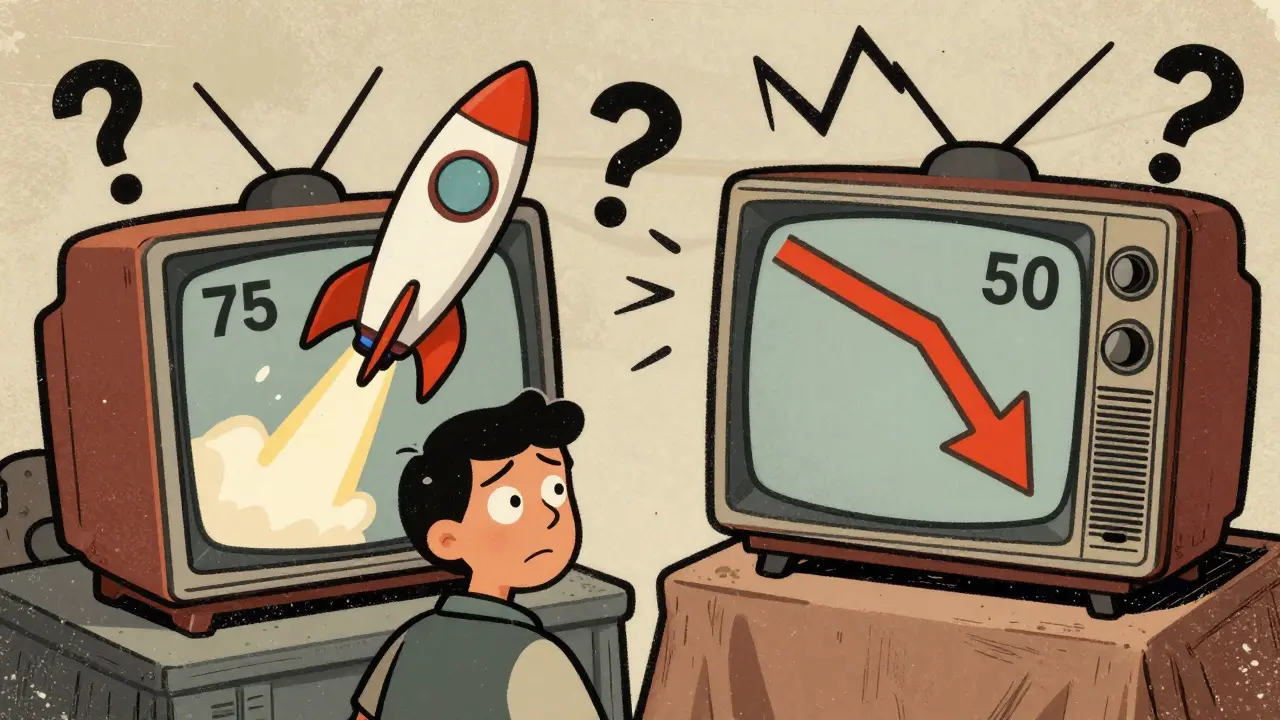
Here is where things get a bit messy. If you try to look up the price of RUN on different trackers, you'll see wildly different numbers. For example, while some platforms like Binance have recorded all-time highs as high as $0.315983, others like Coinbase have seen much lower peaks around $0.0026. In recent months, prices have fluctuated heavily, with reports ranging from $0.00017 to $0.0022 per token.
Why the discrepancy? It usually comes down to liquidity. When a token isn't listed on major centralized exchanges (CEXs) or high-volume decentralized exchanges (DEXs), the "price" becomes a reflection of a few small trades rather than a stable market value. This means that if you hold a large amount of RUN, you might not actually be able to sell it all at the listed price because there aren't enough buyers on the other side.
Currently, many sources indicate that RUN is not available on standard exchanges. This leaves users with over-the-counter (OTC) trading. To be clear: OTC trading is essentially a peer-to-peer deal. You are sending your tokens to someone and hoping they send you the cash (or vice versa). This is incredibly risky and is generally not recommended for beginners who aren't familiar with escrow services.
Evaluating the "Move-to-Earn" Model
The appeal of RUN TOGETHER is the gamification of health. It turns your smartphone into a financial tool for fitness. But is this model sustainable? Most move-to-earn projects face a common hurdle: they need a constant stream of new users to keep the token value up. If the only way the token gets value is through speculation, the price can crash as soon as the hype dies down.
To survive long-term, projects like this need to evolve. They need real-world utility-perhaps partnerships with gym chains, health insurance discounts for active users, or integration with wearable tech like Apple Watches or Garmin devices. Without these "real world" anchors, the token remains a speculative asset tied to an app's popularity.
Risk Factors and Red Flags
If you're thinking about getting into RUN, you need to be aware of the gaps in available information. While the basic premise is clear, there is very little public data regarding the specific team members, a detailed long-term roadmap, or verified strategic partnerships. In the crypto world, "anonymity" can be a feature, but "lack of transparency" is often a risk.
Furthermore, the inconsistent pricing data across platforms is a major warning sign. When a token's price varies by 10x across different trackers, it suggests that the market for that token is very thin. You might see a price of $0.002 on one screen, but when you actually try to sell, the only offer is $0.0008. This "slippage" can eat your profits instantly.
Final Verdict: Who is this for?
RUN TOGETHER is essentially an experiment in the Web3 lifestyle space. For someone who already uses the app and enjoys the walking rewards, the token is a bonus. It's a way to monetize a healthy habit. However, if you are looking at this as a primary investment vehicle, the lack of exchange listings and the price volatility make it a high-risk play.
The move-to-earn sector is still in its infancy. While the idea of getting paid to walk is fantastic, the execution depends entirely on the project's ability to create a sustainable economy that doesn't rely solely on new people joining the party. Keep a close eye on whether they list on major exchanges or announce a concrete partnership with a health brand-those would be the real signals of growth.
What is the main purpose of the RUN token?
The RUN token is used within the RUN TOGETHER ecosystem to reward users for their physical activity. It acts as an incentive for people to walk and exercise daily, effectively turning physical steps into a digital currency.
Which blockchain does RUN TOGETHER use?
It is built on the BNB Smart Chain (BSC) and utilizes the BEP20 token standard, which allows for faster and cheaper transactions compared to networks like Ethereum.
Where can I buy RUN tokens?
Currently, RUN is not listed on most major centralized (CEX) or decentralized (DEX) exchanges. Some users engage in over-the-counter (OTC) trading, but this is highly risky and requires extreme caution.
Is the supply of RUN tokens limited?
Yes, the total supply is fixed at 250 million RUN tokens, with approximately 230 million already in circulation. This fixed supply is intended to prevent the devaluation caused by inflation.
Why is the price of RUN different on different websites?
This happens because the token has low liquidity and isn't traded on a single primary exchange. Different tracking sites may use different data sources or indices, reflecting the lack of a unified, high-volume market.