What is SuperRare (RARE)? The Curated NFT Art Marketplace Explained
 Aug, 13 2026
Imagine walking into a high-end gallery in New York or London, but instead of canvas and oil paint, you’re looking at code-based masterpieces that live forever on the blockchain. That’s exactly what SuperRare is: a curated marketplace for original digital art. It’s not just another place to flip JPEGs; it positions itself as the intersection of Instagram’s social connectivity and Christie’s auction house prestige. But here’s the real question: why should you care about the RARE token?
If you’ve been watching the crypto space since the early days, you know that hype cycles come and go. Platforms rise, promise revolution, and then fade into obscurity. SuperRare has managed to stay relevant since its launch in 2018, evolving from a strictly curated gallery into a decentralized autonomous organization (DAO). This shift didn’t happen by accident. It was driven by the introduction of the RARE token in 2021, which fundamentally changed how the platform is governed and who benefits from its success.
The Core Concept: Quality Over Quantity
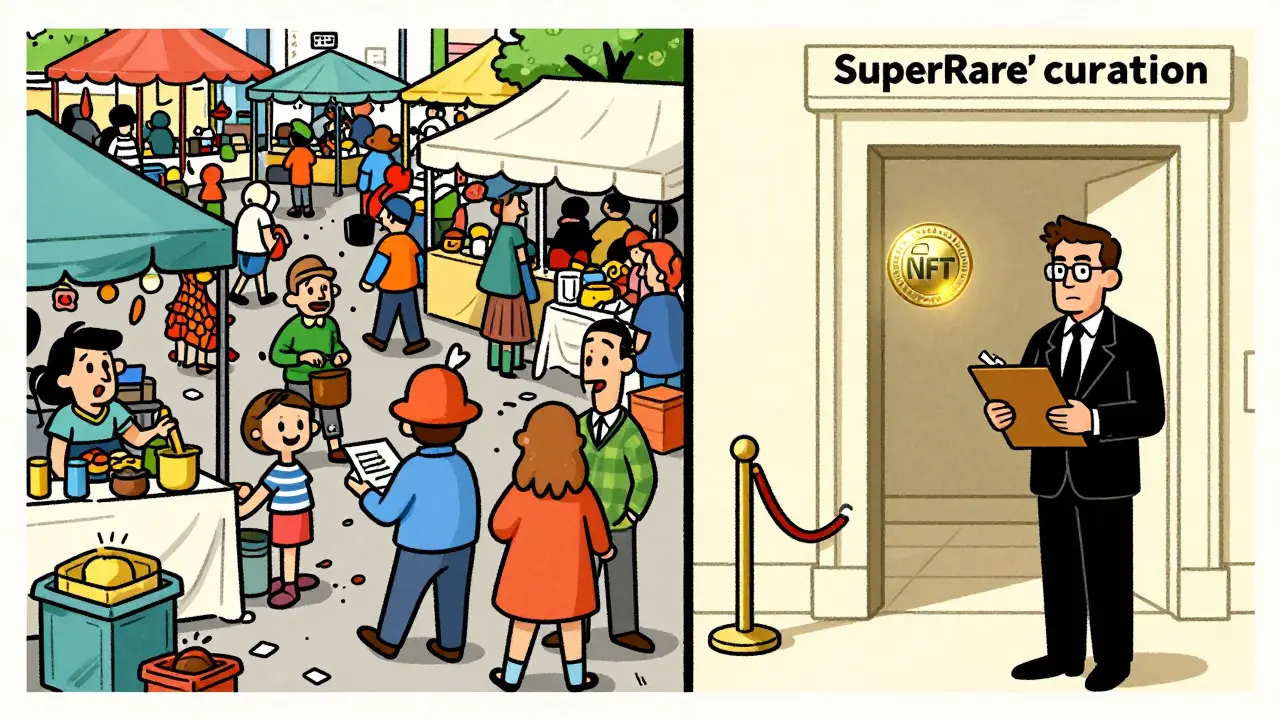
Most NFT marketplaces are permissionless. Anyone can mint anything and list it for sale. While this democratizes access, it also floods the market with low-effort projects, spam, and scams. SuperRare takes the opposite approach. It operates on a strict curation model. Artists must apply and be vetted before they can publish work. This creates a sense of exclusivity and trust that collectors value.
Think of it like this: if OpenSea is a massive flea market where anyone can set up a stall, SuperRare is a white-glove museum. You don’t just walk in and start selling; you need an invitation or a proven track record. This focus on "quality over quantity" has helped SuperRare build a reputation as the longest-running on-chain art platform. Since 2018, it has generated over $330 million USD in total sales volume, with artists earning $180 million directly through the platform. Those aren’t small numbers in the world of digital collectibles.
The platform runs on the Ethereum blockchain, using the ERC-721 standard for tokenization. Each artwork is a unique non-fungible token (NFT) containing ownership certificates and metadata. When you buy a piece on SuperRare, you’re not just downloading an image; you’re acquiring a verifiable certificate of authenticity stored on the blockchain. This technical foundation ensures that ownership is transparent and immutable, solving one of the biggest problems in the traditional art world: provenance.
Understanding the RARE Token Utility
So, what exactly is the RARE token? It’s the governance and utility currency of the SuperRare ecosystem. Introduced in 2021, the token transformed SuperRare from a centralized company into a community-run DAO known as RareDAO. This means that decisions about the platform’s future-such as fee structures, new features, and treasury management-are voted on by RARE token holders.
But governance isn’t the only thing the token does. Here’s a breakdown of its primary utilities:
- Governance Rights: Holders can vote on proposals submitted to the RareDAO. This gives the community direct control over the platform’s direction.
- Staking Rewards: Users can stake their RARE tokens to earn rewards. As of recent data, stakers have earned an annual percentage rate (APR) of around 57%. These rewards are funded by transaction fees generated across the art economy.
- Reputation System: Staking determines your influence and standing within the community. Higher stakes often correlate with greater visibility and credibility among collectors and artists.
- Ecosystem Access: The RARE token unlocks access to other projects within the broader Rare Protocol, including Transient Labs, Botto, and 24 Hours of Art.
This multi-layered utility makes RARE more than just a speculative asset. It’s a tool for participation. If you believe in the long-term growth of digital art and want a say in how the leading platform evolves, holding RARE gives you that leverage.
Market Performance and Financial Metrics
Let’s talk numbers. Understanding the financial health of any crypto project requires looking at both historical performance and current metrics. SuperRare has shown remarkable resilience despite the volatile nature of the NFT market.
| Metric | Value |
|---|---|
| Total Sales Volume (Historical) | $330+ Million USD |
| Artist Earnings | $180+ Million USD |
| RARE Token Price (Recent) | ~$0.015 USD |
| 24-Hour Trading Volume | ~$2.4 Million USD |
| Circulating Supply | 820 Million RARE |
| Max Supply | 1 Billion RARE |
| Market Cap | ~$12.3 Million USD |
| CoinGecko Rank | #806 |
While the RARE token might seem modest in price compared to major cryptocurrencies like Bitcoin or Ethereum, its ranking at #806 on CoinGecko reflects steady liquidity and ongoing investor interest. The 24-hour trading volume exceeding $2.3 million indicates that there’s active buying and selling happening daily. However, keep in mind that crypto markets are notoriously volatile. In the last week, RARE saw a -4% decline while the broader market rose 3.6%, showing that it doesn’t always move in lockstep with general trends.
The fully diluted valuation (FDV) assumes all 1 billion tokens are in circulation. Currently, only 820 million are tradable. This gap between circulating supply and max supply is important for investors to understand. As more tokens enter circulation through staking rewards or vesting schedules, inflationary pressure could affect the price unless demand increases proportionally.
The Rare Protocol Ecosystem
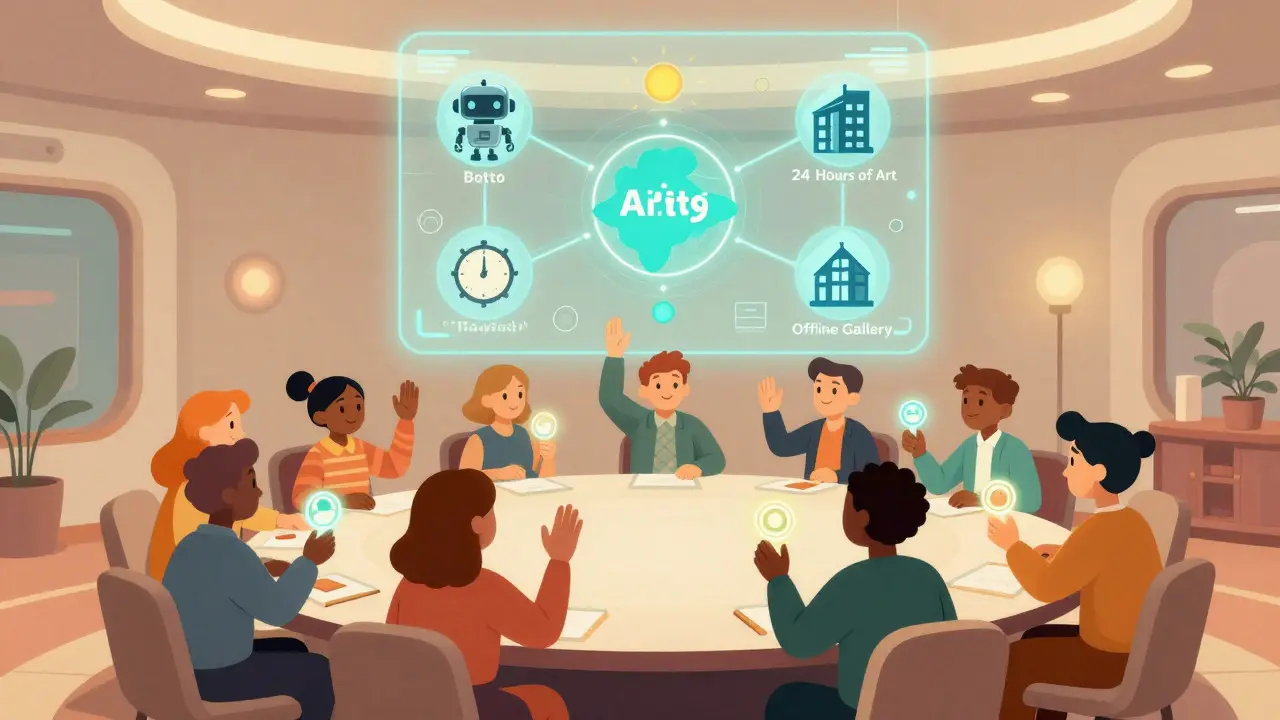
SuperRare isn’t operating in a vacuum. It’s part of a larger initiative called the Rare Protocol, which aims to unify the fragmented NFT landscape. The goal? To supercharge the industry’s ability to revolutionize the economics of human creativity through on-chain innovation.
This ecosystem includes several integrated projects where RARE stakers can earn additional rewards:
- Transient Labs: Focuses on creating immersive digital experiences and exhibitions.
- Botto: An AI-powered generative art project that creates and sells artwork autonomously.
- 24 Hours of Art: A continuous global art event featuring live drops and collaborations.
- Offline Gallery (NYC): A physical space bridging digital and traditional art worlds.
- Good Vibes Club: A community-focused initiative promoting positive engagement.
- Rare Markets: Additional platforms expanding the reach of digital collectibles.
By staking RARE, you’re not just supporting SuperRare; you’re investing in this entire network of creative tools and platforms. This diversification reduces risk and opens up multiple revenue streams for participants. It’s a smart strategy for anyone looking to get deeply involved in the digital art space.
Why Institutional Backing Matters
In the wild west of crypto, trust is hard to come by. That’s why institutional backing carries significant weight. SuperRare has attracted investment from some heavy hitters, including Samsung Next (the innovation arm of Samsung), entrepreneur Mark Cuban, and actor Ashton Kutcher.
These aren’t casual investments. They signal confidence in SuperRare’s long-term viability and its potential to reshape the art market. Samsung’s involvement suggests technological validation, while Cuban and Kutcher bring mainstream visibility and credibility. This combination of venture capital and celebrity endorsement helps legitimize SuperRare as a serious player rather than a fleeting trend.
Moreover, the platform’s evolution from a centralized gallery to a DAO demonstrates a commitment to decentralization-a core principle of blockchain technology. By handing control over to the community, SuperRare aligns itself with the ethos of Web3: user empowerment, transparency, and shared ownership.
Artist Empowerment and Perpetual Royalties
One of the most compelling aspects of SuperRare is its focus on artist rights. Traditional art markets often exploit creators, taking large cuts from secondary sales without compensating the original artist. SuperRare flips this model by championing perpetual royalties.
When an artwork is resold on the secondary market, the original artist continues to earn a percentage of the sale price. This creates a sustainable income stream for creators, encouraging them to produce high-quality work without worrying about immediate returns. For collectors, this means supporting artists directly and contributing to a healthier creative economy.
The platform also facilitates direct-to-collector sales, eliminating intermediaries. Artists upload their work, tokenize it, and sell it straight to buyers. This streamlined process reduces friction and maximizes earnings for both parties. It’s a win-win scenario that underscores SuperRare’s mission to improve discovery mechanisms and decentralize the art market structure.
How to Get Started with SuperRare
If you’re intrigued by the idea of collecting digital art or participating in the RareDAO, here’s how you can begin:
- Set Up a Wallet: You’ll need an Ethereum-compatible wallet like MetaMask. Ensure it’s securely backed up with your seed phrase.
- Acquire ETH: SuperRare transactions are conducted in Ethereum (ETH). Buy ETH from a reputable exchange and transfer it to your wallet.
- Connect to SuperRare: Visit the SuperRare website and connect your wallet. Browse the curated collections to find pieces that resonate with you.
- Purchase Art: Place bids or buy artworks outright. Remember, each purchase supports the artist directly.
- Buy RARE Tokens: To participate in governance or stake for rewards, acquire RARE tokens from exchanges like Binance or Uniswap.
- Stake Your Tokens: Use the SuperRare dashboard to stake your RARE tokens. Start earning APR and gain voting power in the DAO.
Getting started is straightforward, but do your homework. Research artists, understand the rarity traits of specific works, and consider your budget. Digital art is still a nascent market, so prices can fluctuate wildly.
Common Pitfalls to Avoid
Like any investment, entering the SuperRare ecosystem comes with risks. Here are some common mistakes to watch out for:
- FOMO Buying: Don’t rush into purchases because something is trending. Take time to appreciate the art and assess its value.
- Ignoring Gas Fees: Ethereum transactions incur gas fees, which can spike during high network activity. Time your purchases wisely to minimize costs.
- Neglecting Security: Always use hardware wallets for significant holdings. Keep your private keys offline and never share them.
- Overlooking Governance: If you hold RARE tokens, exercise your voting rights. Passive holding misses out on the true power of DAO participation.
- Chasing Low Prices: Just because a token is cheap doesn’t mean it’s a good investment. Look at fundamentals, community strength, and utility.
Avoiding these pitfalls will help you navigate the space more confidently. Remember, patience and due diligence are your best friends in crypto.
The Future of Digital Art on Blockchain
As we look ahead, the role of platforms like SuperRare will likely expand beyond mere transactions. We’re seeing a shift toward experiential ownership-where owning an NFT grants access to exclusive events, metaverse spaces, or physical counterparts. SuperRare’s integration with Offline Gallery in NYC is a prime example of this hybrid approach.
Additionally, advancements in Layer 2 scaling solutions could reduce transaction costs and increase accessibility, making digital art collection viable for a broader audience. The Rare Protocol’s focus on unifying fragmented ecosystems suggests that interoperability will become a key feature, allowing assets to flow seamlessly between different platforms.
For now, SuperRare remains a beacon of quality and curation in a chaotic market. Whether you’re an artist seeking exposure, a collector hunting for gems, or an investor interested in governance tokens, there’s a place for you in this evolving landscape. The question isn’t whether digital art matters-it already does. The real question is: are you ready to be part of its history?
Is SuperRare safe for beginners?
Yes, SuperRare is relatively safe due to its curated nature and established reputation since 2018. However, beginners should start small, educate themselves on wallet security, and understand Ethereum gas fees before making significant purchases.
How do I earn RARE tokens?
You can earn RARE tokens primarily through staking rewards. By locking up your existing RARE tokens in the SuperRare dashboard, you accrue additional tokens based on the current APR, which has historically been around 57%.
What is the difference between SuperRare and OpenSea?
OpenSea is a permissionless marketplace where anyone can list any NFT, leading to vast variety but lower quality control. SuperRare is a curated platform focused exclusively on high-quality digital art, requiring artists to be vetted before publishing.
Can I sell my own art on SuperRare?
Artists must apply and pass a curation review to publish on SuperRare. Once approved, they can mint and sell their work directly to collectors, benefiting from perpetual royalties on secondary sales.
Does RARE token have a maximum supply?
Yes, the RARE token has a maximum supply of 1 billion tokens. As of recent data, approximately 820 million are in circulation, meaning there is room for further issuance through staking rewards and other mechanisms.
Who are the major investors in SuperRare?
Notable investors include Samsung Next, Mark Cuban, and Ashton Kutcher. Their backing provides institutional credibility and signals long-term confidence in the platform’s vision.
What blockchain does SuperRare use?
SuperRare operates on the Ethereum blockchain, utilizing the ERC-721 standard for NFT tokenization. This ensures compatibility with major wallets and exchanges while providing robust security and transparency.
How does the DAO governance work?
The RareDAO allows RARE token holders to vote on platform decisions such as fee structures, feature updates, and treasury allocations. Voting power is often tied to the amount of tokens staked, ensuring active participants have a say.