What is Surviving Soldiers (SSG) Crypto Coin? Tokenomics, Utility, and Risks
 Sep, 4 2026
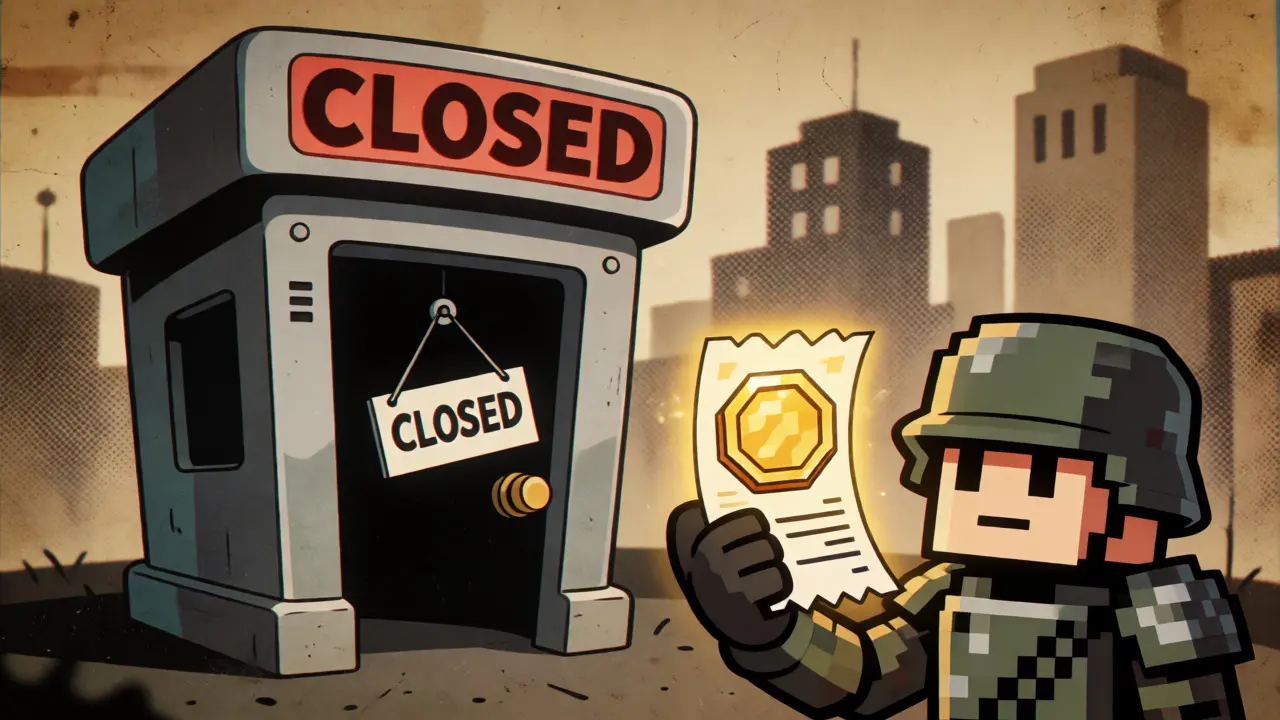
Imagine buying a digital gun for a video game with real money, only to find out the store closed down, but the receipt still has value. That’s roughly the current state of Surviving Soldiers, or SSG. It’s a cryptocurrency that powers a military-themed, play-to-earn game on the BNB Smart Chain. But if you’re looking at it as an investment, you need to look past the hype and stare directly at the data. The numbers are messy, the liquidity is thin, and the project operates in a niche so small it barely registers on major radar screens.
The Core Concept: A Military Survival Game on Blockchain
At its heart, Surviving Soldiers isn’t just a coin; it’s the fuel for a specific digital universe. Think of it like Monopoly money, but with actual market value attached. The game combines strategic gameplay with Web3 economics, letting players buy character chests, ammunition, and base upgrades using SSG tokens. You can also trade characters in the in-game marketplace. The pitch includes a social mission: economically empowering army veterans through blockchain rewards. While that sounds noble, the primary driver remains speculative gaming utility rather than charity work.
The token itself is a BEP-20 asset, meaning it lives on the BNB Chain (formerly Binance Smart Chain). This choice keeps transaction fees low, which is crucial for micro-transactions like buying ammo. However, being on BNB Chain doesn’t automatically grant it the prestige or liquidity of Ethereum-based games. It’s a functional choice for speed, not necessarily a signal of institutional backing.
Tokenomics: Scarcity vs. Reality
Here is where things get tricky. Most people assume a low supply means high value per unit. Surviving Soldiers has a hard cap of exactly 5,000,000 SSG. Compare that to billions of tokens in other projects, and it looks attractive. But scarcity only matters if there’s demand.
| Metric | Value / Status | Note |
|---|---|---|
| Max Supply | 5,000,000 SSG | Fixed hard cap |
| Circulating Supply | ~1.77 Million | Varies by source; some report 0 active circulation |
| Market Cap | $0 - $134,231 | Highly inconsistent across trackers |
| All-Time High | $24.22 - $35.85 | Discrepancies between Coinbase, Bitget, LiveCoinWatch |
| Blockchain | BNB Smart Chain | BEP-20 Standard |
Notice the circulating supply conflict. Some aggregators list around 1.77 million tokens circulating, while others say zero. Why? Likely because tokens are locked in contracts or simply aren’t trading actively enough to be counted in real-time volume metrics. If you check price charts, you’ll see massive gaps. One day it might show a price of $0.06, the next it’s effectively dead at $0.00 volume. This isn’t volatility; it’s illiquidity.
Utility: What Can You Actually Do With SSG?
You don’t hold SSG just to watch it sit in a wallet. In the Surviving Soldiers ecosystem, the token acts as the native currency. Players use it to:
- Purchase character chests to unlock new avatars.
- Buy ammunition and consumables for gameplay.
- Access "Conquest" missions, which likely offer higher rewards.
- Trade NFTs (characters) in the marketplace.
This creates a circular economy. Players earn SSG by playing well or completing missions, then spend it on upgrades. Ideally, this keeps the token valuable because gamers need it to progress. But here’s the catch: if the player base shrinks, the demand for ammo and chests drops. Since the supply is fixed, a drop in demand hits the price harder than in inflationary models where supply adjusts.
The Ticker Confusion Problem
If you’ve ever tried to search for "SSG" on a exchange, you probably got frustrated. There are multiple assets using similar tickers. To combat this, Surviving Soldiers sometimes appears under the ticker "SURVIVING." This rebranding attempt was meant to distinguish it from other SSG assets with higher trading volumes. It’s a classic problem for small-cap coins: you’re fighting for visibility against bigger names with identical abbreviations. This confusion leads to fragmented liquidity. Your potential buyer might be looking at a completely different chart, thinking they’re buying your asset.
Exchange Availability and Liquidity Risks
Where can you actually buy this thing? The answer is "barely anywhere." Major centralized exchanges like Binance explicitly mark it as "Not listed." You won’t find it on Coinbase Pro or Kraken with deep order books. Instead, you’re looking at decentralized exchanges (DEXs) like PancakeSwap V2 or smaller venues like Gate.io or OpenLeverage.
Trading on DEXs requires a bit more technical know-how. You need a compatible wallet like MetaMask, funded with BNB for gas fees. Then you swap BNB or a stablecoin for SSG using the contract address. Because volume is often reported as near-zero, you face significant slippage. If you try to sell $500 worth of SSG, you might crash the local price because there are no buyers on the other side. This makes it a terrible vehicle for quick trades but potentially interesting for long-term believers who don’t plan to exit quickly.

Team Transparency and Audit Status
Who built this? Honestly, the public record is sparse. Unlike major projects with doxxed founders and LinkedIn profiles, Surviving Soldiers lacks prominent executive biographies in most aggregator listings. There’s no clear corporate entity named in the standard summaries. This opacity is common in early-stage GameFi projects but raises red flags for risk-averse investors.
Furthermore, there is no widely cited security audit from top-tier firms like CertiK or Hacken in the immediate summaries. While the contract address is public and verifiable on BscScan, the absence of a highlighted audit report means users must rely on code transparency rather than third-party validation. For a token handling real money, this is a gap you should fill before investing.
Is It Worth Investing?
Let’s be real. Surviving Soldiers is a high-risk, micro-cap speculation. It sits far outside the top 1,000 cryptocurrencies by market cap. Its future depends entirely on two things: the adoption of the game itself and the ability of the developers to secure better exchange listings.
If you’re a gamer who enjoys the mechanics and wants to support a veteran-focused initiative, holding SSG makes sense as a utility purchase. But if you’re looking for a safe haven or a quick flip, the lack of liquidity and data inconsistencies make it dangerous. The price discrepancies-where one site says $0.06 and another says $0.00-are warning signs. Always verify the contract address (starting with 0xa0c8...) before sending any funds.
What is the total supply of Surviving Soldiers (SSG)?
The maximum supply of Surviving Soldiers is strictly capped at 5,000,000 tokens. This fixed supply model is designed to prevent inflation, unlike many other crypto projects that mint new tokens over time.
Which blockchain does Surviving Soldiers use?
Surviving Soldiers is a BEP-20 token deployed on the BNB Smart Chain (BSC). This allows for fast transactions and low fees, which is essential for in-game micro-transactions like buying ammunition or character chests.
Why is the SSG price inconsistent across websites?
Price inconsistencies arise due to extremely low trading volume and limited exchange listings. Many aggregators may display stale data or zero prices when there are no recent trades. Additionally, ticker confusion with other "SSG" assets can lead to mixed data feeds.
Can I buy Surviving Soldiers on Binance?
As of recent updates, Surviving Soldiers is not listed on major centralized exchanges like Binance. It is primarily traded on decentralized exchanges such as PancakeSwap V2 or smaller platforms like Gate.io and OpenLeverage.
What is the main utility of the SSG token?
SSG serves as the native currency for the Surviving Soldiers game universe. Players use it to purchase character chests, ammunition, base upgrades, and access special "Conquest" missions. It is also used for trading non-fungible tokens (NFTs) within the game's marketplace.