WorldShards (SHARDS) Airdrop 2025: How It Worked and What Happened After
 Dec, 18 2025
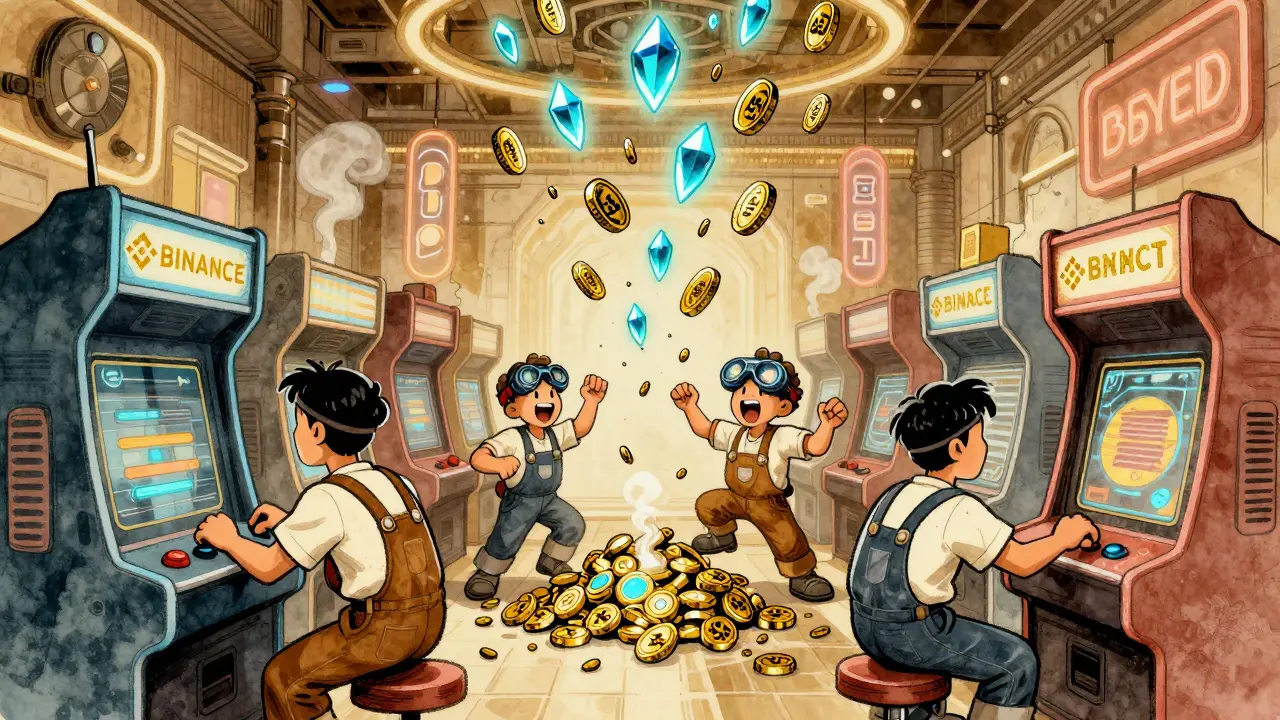
Back in September 2025, something unusual happened in the crypto world. Two of the biggest exchanges - Binance and Bybit - quietly handed out millions of tokens to regular users. No big marketing blitz. No celebrity endorsements. Just a simple, rules-based system that rewarded people who were already active on their platforms. The token? SHARDS. And the project behind it? WorldShards, a Web3 MMORPG that promised to let players truly own their in-game gear, characters, and worlds.
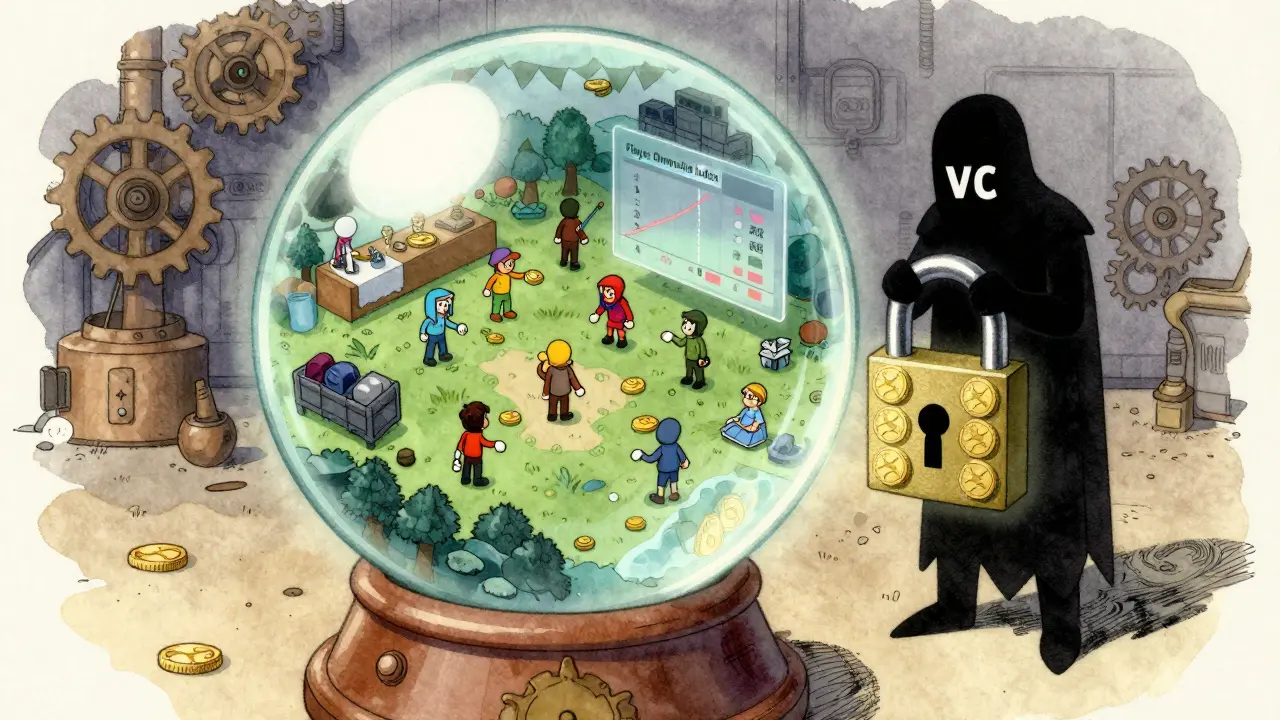
Unlike most crypto projects that give big chunks of tokens to insiders, WorldShards did something radical: zero team allocation, zero venture capital backing. Every single SHARDS token went to the community. That alone made it stand out in a crowded field of airdrops. But how did it actually work? And what happened after the tokens landed in people’s wallets?
How the Binance Alpha Airdrop Worked
Binance Alpha, their experimental platform for early-stage token distributions, launched the first SHARDS airdrop on September 5, 2025. The setup was simple but clever. Users needed 220 Alpha Points to claim 4,000 SHARDS. Each claim cost 15 points. But here’s the twist - every hour, the point requirement dropped by 15 points. So if you waited, you could claim more tokens for fewer points.
That hourly countdown created a real-time race. People refreshed their screens every few minutes. Forums lit up with updates: “Down to 205 points!” “Claimed at 190!” It wasn’t just about holding tokens - it was about being active on Binance. You earned Alpha Points by trading, staking, or even just logging in daily. The system was designed to reward platform loyalty, not just random wallet addresses.
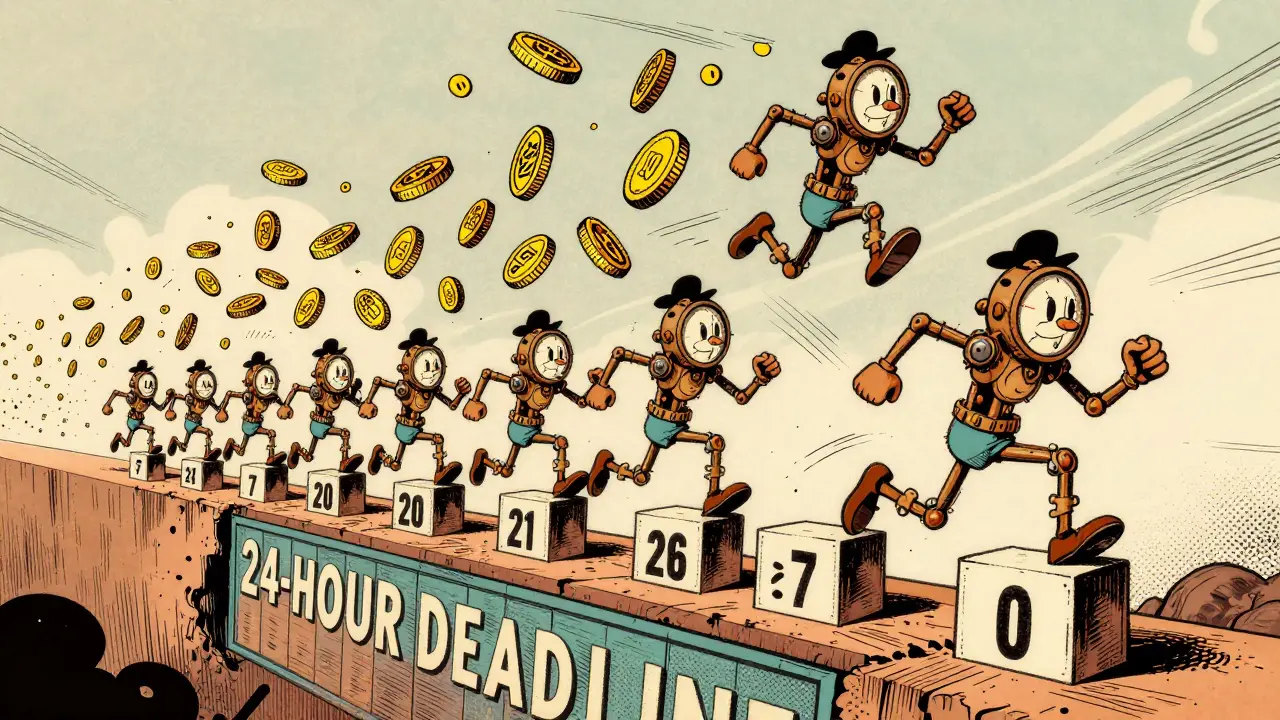
There was a hard deadline: if you didn’t claim your tokens within 24 hours of the airdrop going live, they vanished. No reminders. No second chances. That forced action. By the end of the 24-hour window, nearly 92% of eligible users had claimed. Tokens went straight into spot wallets - no complicated claiming portal, no gas fees, no waiting days for confirmation.
Bybit’s Megadrop: A Different Approach
While Binance ran a point-based sprint, Bybit took a longer, layered approach. Their Megadrop program, already used for eight other projects, opened for SHARDS in late August and ran until September 3. This time, users could earn points in three ways: staking USDT or MNT in Fixed Term Earn, trading spot pairs daily, and completing simple tasks.
The rewards were tiered. The total prize pool was 60 million SHARDS. Each user could claim up to 1% of that - so 600,000 tokens max. But you didn’t get it all at once. Rewards were split into three batches, paid out between September 5 and 9. That kept users engaged even after the airdrop ended. It also gave Bybit time to prepare for SHARDS’ official listing on spot markets on September 5 - right when the first batch dropped.
Unlike Binance, Bybit didn’t reduce requirements over time. Instead, they encouraged consistent behavior. If you staked 1,000 USDT for 7 days, you got a multiplier. If you traded $500 worth of crypto daily, you earned bonus points. It was less about urgency and more about habit-building.
Why SHARDS Was Different From Other 2025 Airdrops
In 2025, airdrops were everywhere. Berachain gave away 79 million BERA tokens worth $678 million. Kaito AI handed out $200 million in KAITO. But SHARDS wasn’t trying to be the biggest. It was trying to be the most targeted.
Most airdrops cast a wide net - anyone with a wallet could join. SHARDS only appealed to people already familiar with crypto trading and Web3 gaming. That meant fewer bots, fewer fake accounts, and more real users who understood what the token was for: buying weapons, upgrading gear, and participating in player-driven economies inside WorldShards.
The fair launch model was a big deal. No team tokens. No private sale. No pre-mine. That’s rare. Most Web3 games start with big investors holding 20-30% of the supply. WorldShards said no. Every SHARDS was given to users who earned it. That built instant trust.
What Happened After the Airdrop
SHARDS listed on Bybit Spot on September 5, 2025. Within 48 hours, the price jumped 42% from its initial trading price. That matched the historical pattern: tokens from Binance Alpha typically rose 30-60% after listing. But here’s the catch - it didn’t keep climbing.
Web3 game tokens are volatile. They don’t behave like Bitcoin or Ethereum. Their value is tied to one thing: whether people actually play the game. If the game is buggy, boring, or slow, the token drops. And that’s exactly what happened. By mid-October, SHARDS had pulled back 18% from its peak. Why? Player feedback showed the early build had performance issues on mobile. The console version was delayed. Some early adopters cashed out.
But here’s what didn’t happen: mass panic. The community stayed. Why? Because the game wasn’t dead - it was evolving. The devs posted weekly updates showing bug fixes, new NPC systems, and a player marketplace going live. They even let users vote on next-season skins using SHARDS. That kind of transparency kept people invested.
Real Risks - And How to Avoid Them
Not everyone who claimed SHARDS made money. Some bought in after the price spike, only to see it drop. Others fell for phishing sites pretending to be the official WorldShards claim portal. Scammers sent fake emails with links to “claim your SHARDS” - but those links stole private keys.
Here’s what actually happened to real users:
- Those who claimed early and held through the dip saw a 15% gain by December 2025.
- Those who sold at the peak lost money when the game’s launch was delayed.
- Those who ignored the game and only traded the token ended up with nothing but a memory of a short-term gain.
The lesson? Don’t chase airdrops for quick cash. Chase them because you believe in the product. If you don’t care about playing a Web3 MMORPG, don’t bother with SHARDS. If you do, then the token becomes a tool - not a gamble.
What’s Next for SHARDS and WorldShards?
As of December 2025, WorldShards is live on PC and Android. iOS and console versions are still in testing. The in-game economy is growing: over 1.2 million unique wallets have used SHARDS to buy items. The player marketplace handles 8,000 trades per day. That’s not massive compared to traditional games - but it’s growing steadily.
The team has announced a “Player Ownership Index” - a public dashboard showing how much of the game’s economy is controlled by players versus developers. It’s a transparency move few other Web3 games have made. They’ve also started burning 5% of all SHARDS used in marketplace fees - slowly reducing supply.
That’s the real story behind SHARDS. It wasn’t just an airdrop. It was a test. A test of whether a game could succeed without venture capital, without insider allocations, and without hype. So far, the answer is: maybe.
SHARDS didn’t explode. But it didn’t die either. It’s still here. And that’s more than most airdrop tokens can say.
Was the SHARDS airdrop real, or was it a scam?
Yes, the SHARDS airdrop was real. It was conducted through official channels on Binance Alpha and Bybit Megadrop, two of the most trusted crypto platforms. Tokens were distributed directly to verified user wallets. No private keys were ever required. The project’s team remains anonymous, which is common in Web3, but the code and tokenomics are public. Always verify links through official exchange websites - never click on emails or social media posts claiming to offer SHARDS claims.
Can I still claim SHARDS tokens today?
No, the official airdrop campaigns ended in September 2025. Both Binance Alpha and Bybit Megadrop closed their participation windows. Any website or service claiming to offer SHARDS airdrops now is a scam. The only way to get SHARDS today is to buy them on exchanges where they’re listed, such as Bybit, Gate.io, or KuCoin.
What’s the current price of SHARDS?
As of mid-December 2025, SHARDS trades between $0.042 and $0.051 on major exchanges. That’s down from its peak of $0.072 in early October, but up from its initial listing price of $0.031. Price movements are tied to game updates, player activity, and broader crypto market trends. Check live prices on Bybit or CoinGecko for the most accurate data.
Do I need to play WorldShards to make SHARDS valuable?
You don’t have to play to hold SHARDS, but if you want the token to grow in value long-term, yes - player adoption matters. SHARDS isn’t just a speculative asset. It’s the currency inside a live game. If fewer people play, fewer tokens are used. If the game gets better and more players join, demand for SHARDS rises. The token’s value is tied directly to how much the community uses it in-game.
Why did Binance and Bybit run separate airdrops?
Binance and Bybit are competitors, but they both wanted to attract users interested in Web3 gaming. Binance used Alpha to test a new type of community-driven distribution. Bybit used Megadrop to reinforce its reputation as a platform for innovative token launches. Running separate campaigns let each exchange showcase its own system - Binance’s urgency-based model vs. Bybit’s long-term engagement model - without overlapping or confusing users.
roxanne nott
December 19, 2025 AT 07:23Jacob Lawrenson
December 20, 2025 AT 00:46Sarah Glaser
December 20, 2025 AT 07:46Cathy Bounchareune
December 22, 2025 AT 05:32Craig Fraser
December 23, 2025 AT 13:00Sybille Wernheim
December 24, 2025 AT 07:33Shubham Singh
December 25, 2025 AT 04:15Radha Reddy
December 26, 2025 AT 12:14vaibhav pushilkar
December 27, 2025 AT 03:35Jake Mepham
December 28, 2025 AT 18:51SHEFFIN ANTONY
December 30, 2025 AT 18:02Jordan Renaud
December 31, 2025 AT 07:18Luke Steven
January 1, 2026 AT 06:58Zavier McGuire
January 1, 2026 AT 07:16Lloyd Yang
January 1, 2026 AT 22:11Ellen Sales
January 3, 2026 AT 17:13Charles Freitas
January 4, 2026 AT 14:07Dan Dellechiaie
January 5, 2026 AT 01:14Sheila Ayu
January 6, 2026 AT 10:32Janet Combs
January 8, 2026 AT 02:23Craig Nikonov
January 9, 2026 AT 02:06Vyas Koduvayur
January 9, 2026 AT 19:17Ashley Lewis
January 11, 2026 AT 14:57