Bitcoin Mining in Iran: Costs, Challenges, and What's Really Happening
When you think of Bitcoin mining, the process of validating Bitcoin transactions using powerful computers to earn new coins. It's often tied to places like the U.S., Canada, or Kazakhstan—places with stable grids and clear rules. But crypto mining in Iran, a country under heavy international sanctions and facing chronic energy shortages became one of the biggest crypto anomalies of the last decade.
Why Iran? Simple: electricity is dirt cheap. The government subsidized power for citizens, and miners—often operating in garages or warehouses—paid pennies per kilowatt-hour. That made it possible to run hundreds of ASIC rigs 24/7 and still turn a profit. By 2021, Iran was among the top five Bitcoin mining nations globally, with hash rates rivaling entire U.S. states. But this wasn’t just about profit. For many Iranians, mining became a lifeline. With inflation hitting 40% and the rial collapsing, Bitcoin mining offered a way to earn hard currency, bypass banking restrictions, and send money abroad. It wasn’t just a tech trend—it was economic survival.
But the rules changed fast. In 2022, the government cracked down, banning private mining and shifting all operations to state-controlled facilities. Why? Because the energy demand from mining was straining the national grid. Power outages became common, and the state couldn’t afford to keep subsidizing miners. Then came U.S. sanctions. Western companies couldn’t sell mining hardware to Iran. Spare parts vanished. Even Bitcoin mining pools started blocking Iranian IPs. What was once a booming underground economy turned into a fragmented, high-risk operation. Today, mining still happens—mostly in small, hidden setups—but it’s a shadow of its former self.
What’s left is a mix of desperation and ingenuity. Some miners use solar panels to cut costs. Others trade mining rigs for food or fuel. A few even use the heat from their rigs to warm homes in winter. The government still collects fees from licensed mining farms, but most of the real action is off the books. And while global crypto markets move fast, Iran’s story is stuck in a loop: cheap power, sanctions, and survival.
If you’re wondering how a country under siege became a crypto mining giant, you’re not alone. Below, you’ll find real stories, broken platforms, and regulatory shifts that shaped this wild chapter in crypto history—from failed exchanges to miners who turned their garages into digital gold mines.
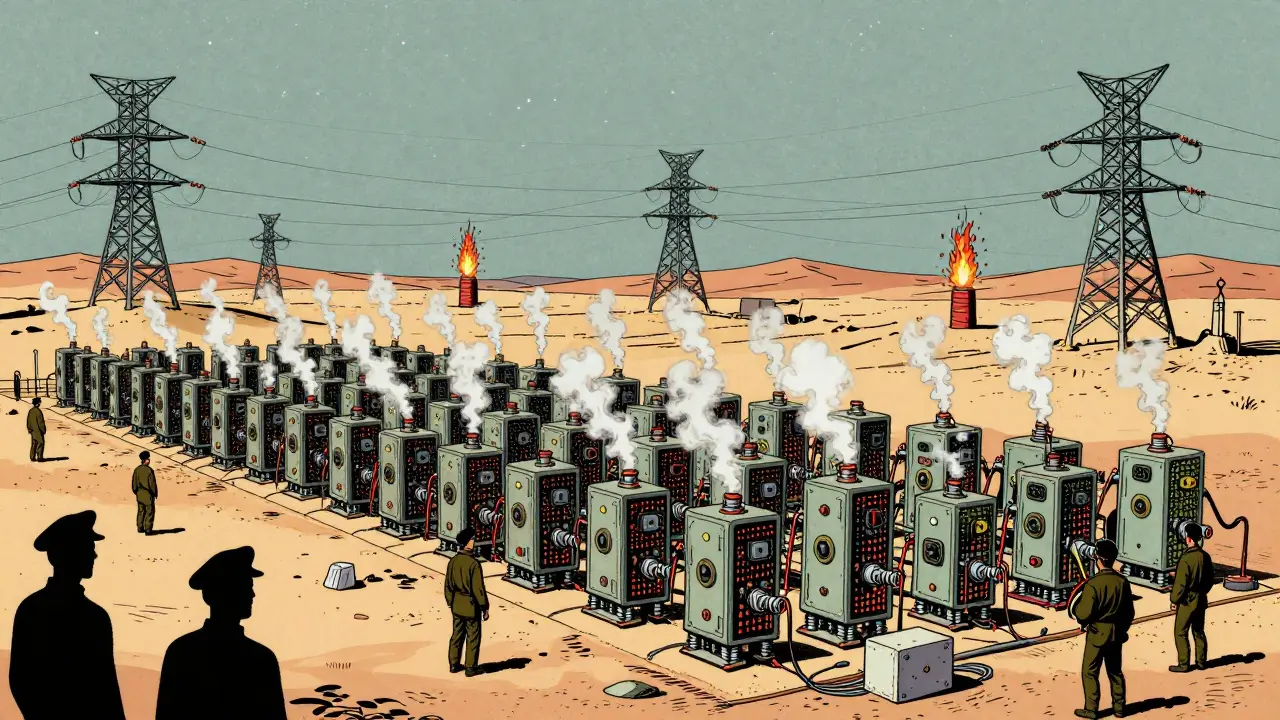
How Iran Uses Bitcoin Mining to Bypass International Sanctions
Iran uses its cheap electricity to mine Bitcoin at scale, bypassing international sanctions and generating billions in foreign currency. This strategy supports its military and regime while causing domestic energy shortages.
Read more