Cryptocurrency Sanctions: What They Are, Who Enforces Them, and How They Affect You
When you hear cryptocurrency sanctions, government actions that block crypto transactions, wallets, or exchanges tied to banned individuals or countries. Also known as crypto compliance restrictions, these aren’t theoretical—they’re actively shutting down access on platforms like dYdX and Bitstamp for users in over 20 countries. This isn’t about stopping innovation. It’s about control. Governments don’t want untraceable money flowing to sanctioned entities—whether that’s terrorist groups, rogue states, or oligarchs. And since crypto moves fast and crosses borders easily, regulators are forcing exchanges to act as gatekeepers.
That means even if you’re just a regular trader in the U.S., Europe, or Canada, your access to a DEX or CEX can vanish overnight if you’re flagged by location, IP, or transaction history. The DeFi compliance, the requirement for decentralized platforms to follow anti-money laundering and sanctions rules is no longer optional. Projects like dYdX and KyberSwap may claim to be decentralized, but they still block users in Iran, Syria, North Korea, and Crimea. Why? Because if they don’t, they lose access to banks, payment processors, and even cloud hosting. The crypto country bans, official restrictions on crypto use imposed by national governments aren’t always about crypto itself—they’re about bypassing traditional financial controls. Ecuador bans banks from handling crypto. India restricts business payments. The EU enforces strict AML rules under MiCA. All of these feed into the same system: if you can’t verify who you are or where your money came from, you’re blocked.
And it’s not just about big exchanges. Even meme coin DEXs like Ebi.xyz or unregulated platforms like BIT.TEAM aren’t immune. If they’re found to be facilitating transactions with sanctioned wallets, they’ll be cut off from infrastructure. That’s why so many projects disappear overnight—they’re not scams, they’re collateral damage. The real risk isn’t losing your coins to hackers—it’s losing access to your wallet because someone else’s transaction triggered a sanctions alert. You don’t need to be doing anything illegal to get caught in the net. Just holding a token linked to a blacklisted address, or using a VPN to bypass geo-blocks, can trigger a freeze.
What you’ll find below are real reviews and breakdowns of exchanges, protocols, and tokens that have been directly affected by these rules. You’ll see how compliance shapes what’s available to you, why some airdrops vanish without warning, and how platforms like Bitstamp stay alive while others vanish. This isn’t theory. It’s what’s happening right now—and if you’re trading crypto, you’re already living inside it.
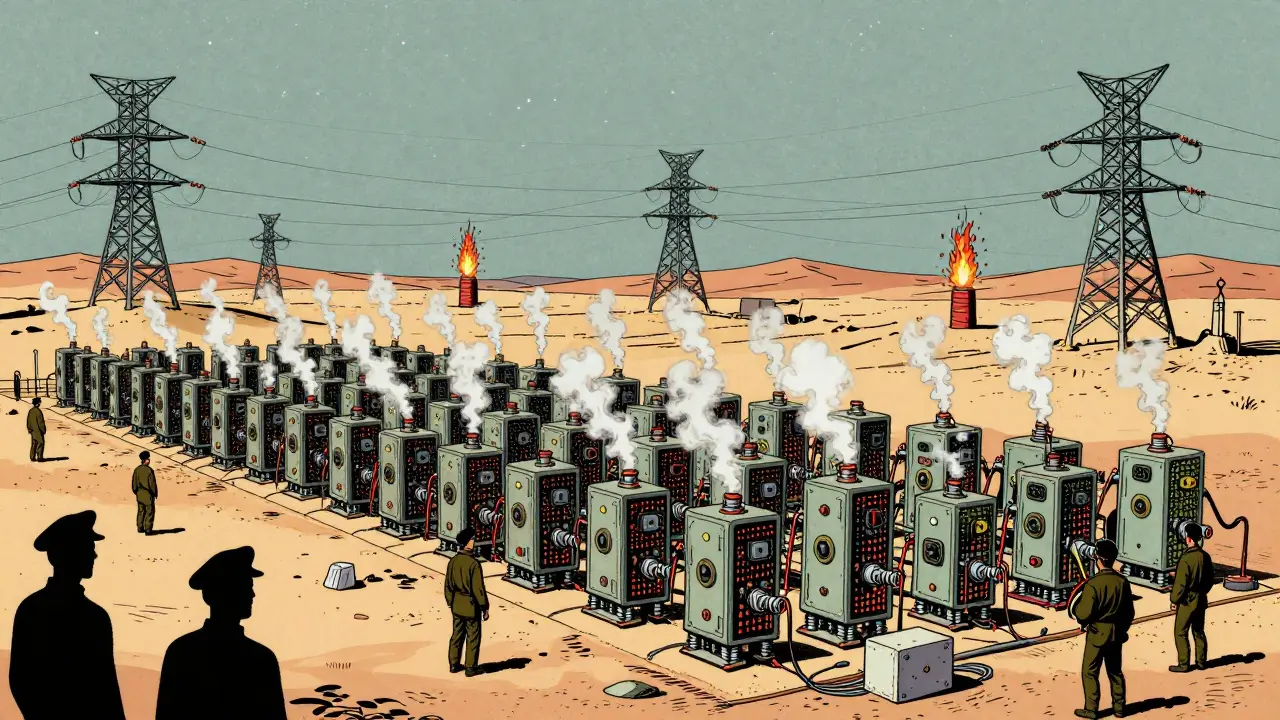
How Iran Uses Bitcoin Mining to Bypass International Sanctions
Iran uses its cheap electricity to mine Bitcoin at scale, bypassing international sanctions and generating billions in foreign currency. This strategy supports its military and regime while causing domestic energy shortages.
Read more