Cryptocurrency Wallet Security: Protect Your Crypto from Hacks and Scams
When you hold cryptocurrency, you’re not just holding a number—you’re holding cryptocurrency wallet security, the practice of protecting your digital assets from theft, hacks, and human error. Also known as crypto asset protection, it’s the one thing no exchange, app, or guide can do for you. If your private keys are exposed, your coins are gone. No chargebacks. No customer service. No recovery.
This isn’t theoretical. People lose millions every year because they clicked a fake link, reused a password, or stored their keys on a phone connected to the internet. hot wallets, digital wallets connected to the internet like MetaMask or exchange accounts are convenient but risky. cold wallets, offline devices like Ledger or Trezor that keep keys away from hackers are the gold standard for anything over a few hundred dollars. And private keys, the secret codes that give you control over your crypto—never share them. Never screenshot them. Never store them in the cloud.
Most scams don’t come from complex code. They come from fake support pages, phishing Telegram bots, and "free airdrop" sites that steal your seed phrase. You’ll see posts here about exchanges like BIT.TEAM and Ebi.xyz—unregulated, high-risk platforms where users get burned because they trusted convenience over security. You’ll also see how even big names like dYdX and Bitstamp enforce rules that impact your access, because compliance isn’t just paperwork—it’s part of your safety net. The same goes for crypto taxes and AML rules: if you’re not tracking your transactions, you’re not just risking fines—you’re risking exposure.
There’s no magic trick. No app that makes you invincible. The best crypto wallet security is simple: use a cold wallet for long-term holds, double-check every URL, enable 2FA everywhere it’s available, and never, ever trust a link sent in a DM. The posts below show real cases—what went wrong, who got hacked, and how to avoid the same mistakes. You don’t need to be a tech expert. You just need to be careful.
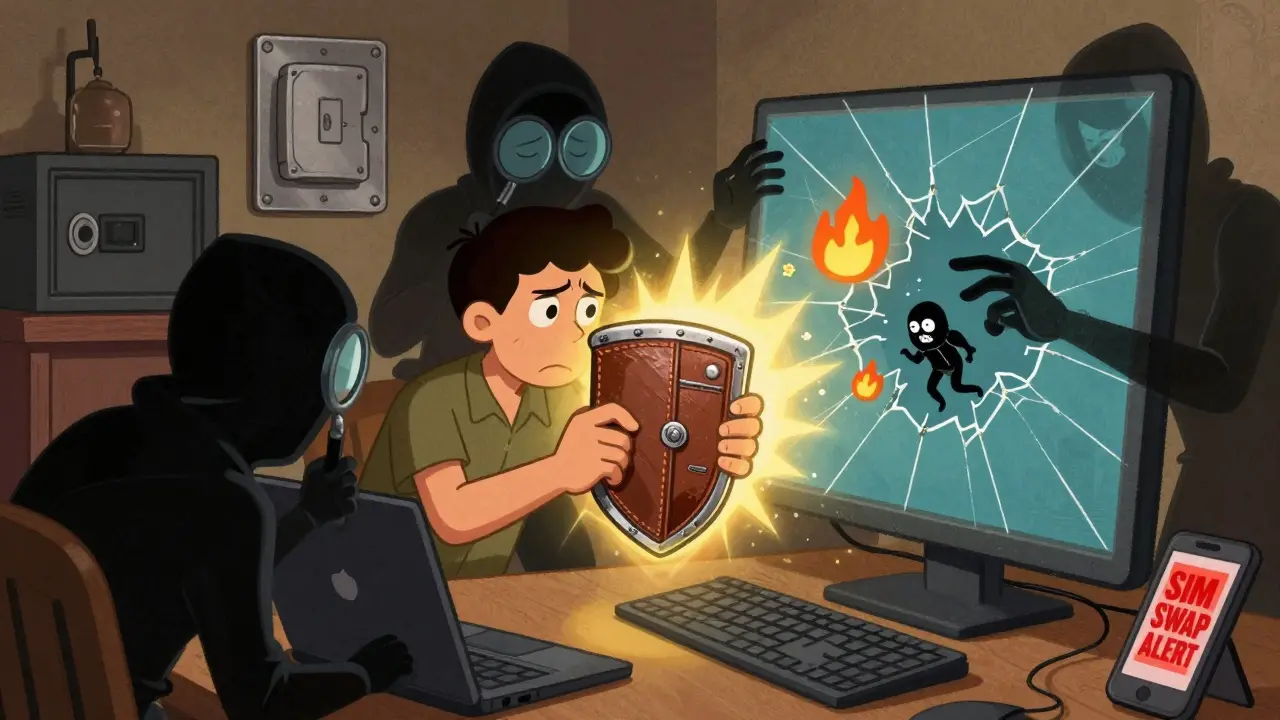
How to Secure Your Cryptocurrency Wallet: Essential Steps to Prevent Theft and Loss
Learn how to secure your cryptocurrency wallet with proven steps: use hardware wallets, never store seed phrases digitally, enable multi-sig, avoid public Wi-Fi, and revoke token approvals. Protect your crypto from theft and loss.
Read more