Iran Bitcoin Mining: Regulations, Challenges, and What’s Really Happening
When it comes to Iran Bitcoin mining, the practice of using computational power to validate Bitcoin transactions and earn rewards within Iran’s unique regulatory and economic environment. Also known as crypto mining in Iran, it’s not just about technology—it’s about survival, sanctions, and state control. In 2021, Iran was among the top three Bitcoin mining countries in the world, thanks to cheap electricity and a large pool of tech-savvy youth. But that didn’t last. The government, worried about energy shortages and capital flight, started shutting down unlicensed mines and demanding licenses for every rig. Today, mining isn’t banned—but it’s tightly controlled, and only a fraction of the old activity remains.
What makes Iran Bitcoin mining, a case study in how state power intersects with decentralized finance. Also known as crypto mining under sanctions, it’s a perfect example of how economic pressure forces innovation outside the system. With the U.S. and EU blocking Iran’s access to global banking, Bitcoin became a way for people to store value and send money abroad. Miners didn’t just run hardware—they ran a parallel economy. But when the government started cutting power to unlicensed farms and threatening jail time, many went underground—or shut down. Some miners now work in secret, using private generators or hidden data centers. Others moved to neighboring countries with looser rules. The result? A shadow network that’s harder to track, but far less efficient.
Then there’s the energy crisis, a core factor that determines whether Bitcoin mining can survive in Iran. Also known as electricity subsidies for crypto, it’s the reason mining ever took off there in the first place. Iran has some of the lowest electricity prices on Earth—thanks to state subsidies. But when millions of miners started draining the grid, cities lost power. Schools closed. Hospitals struggled. The government responded by raising rates for miners and requiring them to pay in local currency, not crypto. That made mining less profitable. Now, only those with access to subsidized power or illegal connections can still compete. And even then, the risk of raids, fines, or equipment seizure is high.
What’s left isn’t a boom—it’s a quiet, risky operation. Some miners now focus on smaller coins or use their rigs for other blockchain tasks, like running nodes or validating transactions on privacy-focused networks. Others turned to hardware resale or repair, building businesses around the tools they once used to mine. Meanwhile, the government keeps pushing for a state-controlled digital currency, hoping to replace Bitcoin with something it can track and tax. But that hasn’t stopped people from using crypto anyway. In Tehran, you’ll still find young engineers trading Bitcoin on peer-to-peer apps, using it to buy imported goods or send money to family overseas. The tech didn’t disappear. The rules just got tighter.
What you’ll find in the posts below isn’t just news about Iran. It’s the bigger story of how governments around the world—from Ecuador to Nigeria to Jordan—are wrestling with crypto’s rise. Some ban it. Some tax it. Some try to control it. But the machines keep running. And the people? They keep finding ways to make it work.
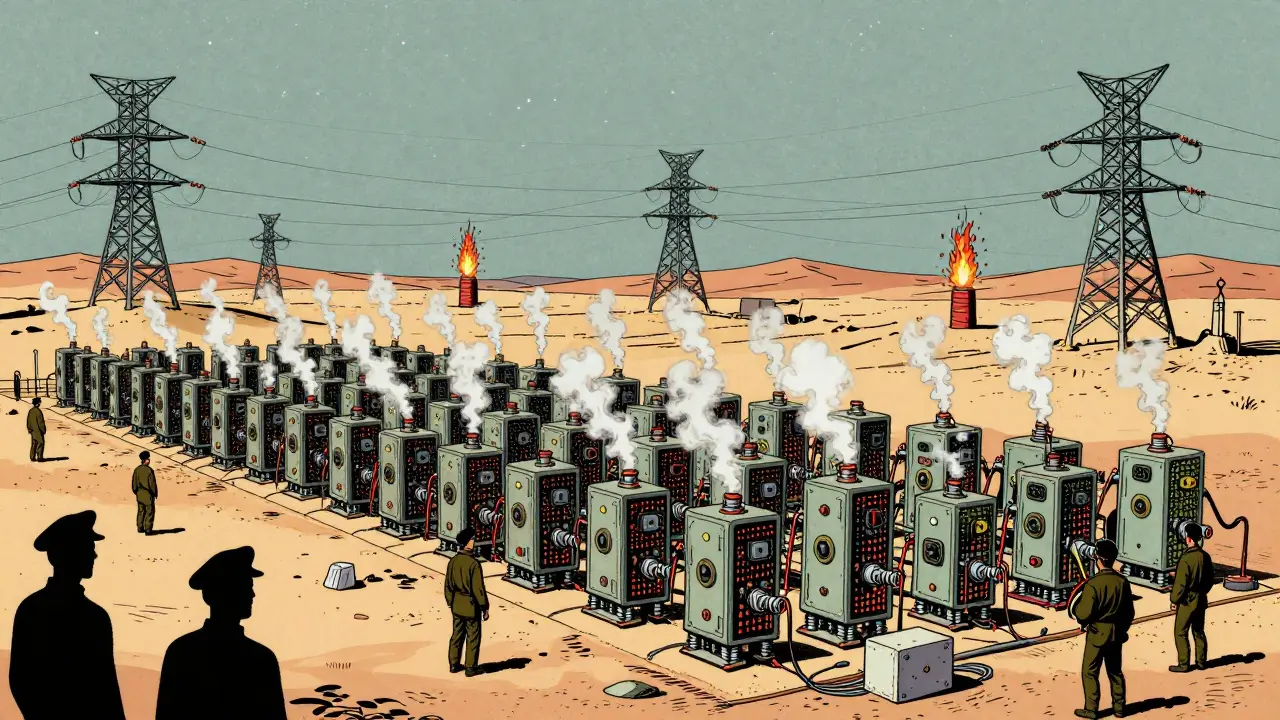
How Iran Uses Bitcoin Mining to Bypass International Sanctions
Iran uses its cheap electricity to mine Bitcoin at scale, bypassing international sanctions and generating billions in foreign currency. This strategy supports its military and regime while causing domestic energy shortages.
Read more