Sanctions Circumvention in Crypto: How Blockchain Bypasses Financial Restrictions
When governments freeze accounts or block transactions, people turn to sanctions circumvention, the act of bypassing financial restrictions using decentralized systems. Also known as crypto evasion, it’s not about breaking laws for fun—it’s about survival. In countries like Nigeria, Ecuador, or Iran, crypto isn’t a luxury. It’s how families get paid, pay for medicine, or send money home when banks refuse to help.
Blockchain technology enables this because it doesn’t need permission. No central bank controls it. No single company can shut it down. That’s why platforms like dYdX, a decentralized exchange that still blocks users in over 20 countries for compliance reasons are caught in a contradiction: they claim to be decentralized, but still follow U.S. sanctions. Meanwhile, users in those banned countries use cross-chain bridges, tools that move crypto between blockchains without intermediaries to shift assets from restricted platforms to ones that don’t ask questions. This isn’t theoretical—it’s happening daily. People move ETH to Solana, swap it for stablecoins on a DEX, then cash out via P2P. It’s messy, it’s risky, but it works.
Regulators aren’t blind. The EU’s AML requirements, rules forcing crypto businesses to verify users and track transactions over €1,000 are tightening. Exchanges like Bitstamp must comply—or lose their licenses. But in places where banks won’t serve you, compliance isn’t an option. That’s why tools like blockchain oracles, systems that feed real-world data like prices or weather into smart contracts matter. They let DeFi apps react to sanctions in real time—freezing funds, triggering payouts, or locking assets based on location or transaction history. The tech is advancing fast, but so are the rules.
What you’ll find below isn’t a guide to breaking laws. It’s a look at what’s actually happening. You’ll see how exchanges like Cashierest and Oasis Swap collapsed under pressure. How Ecuador’s banking ban forced users into peer-to-peer networks. How Nigeria’s 22 million crypto users turned to Bitcoin not because they love tech—but because their currency was collapsing. These aren’t edge cases. They’re the new normal for millions. The posts here show you the tools, the failures, the scams, and the real-world workarounds. No theory. No hype. Just what people are doing when the system says no.
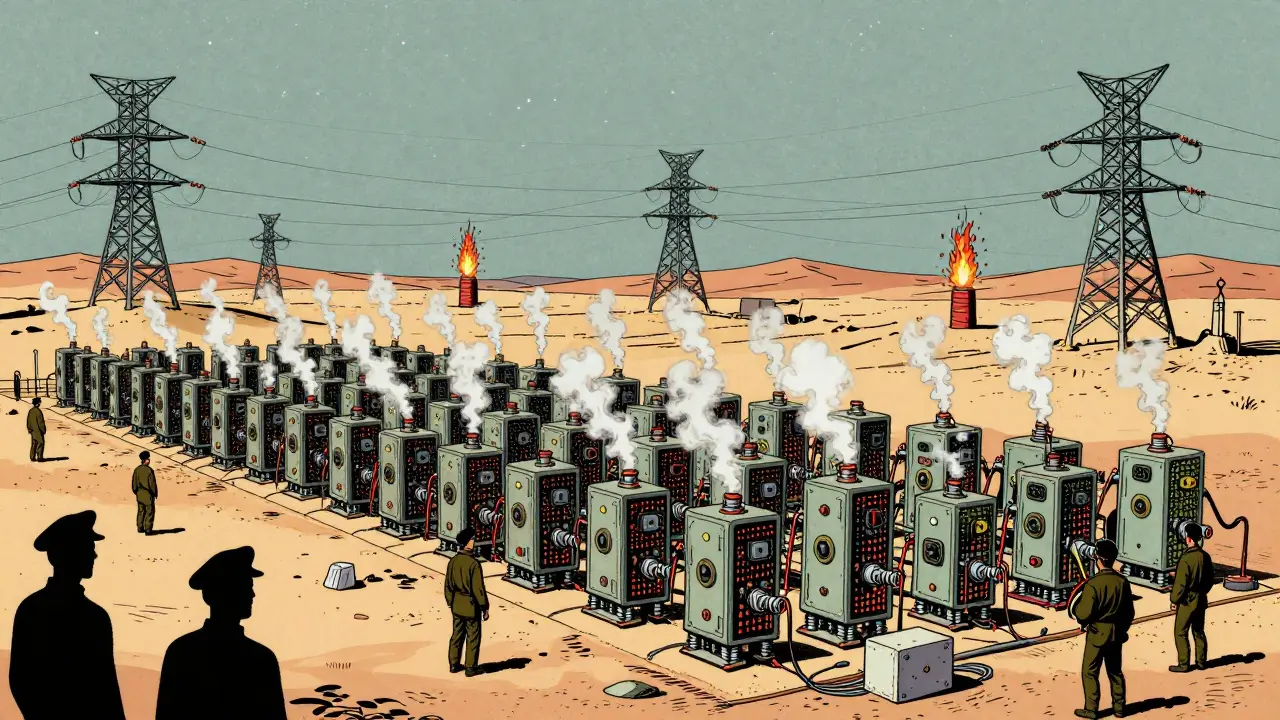
How Iran Uses Bitcoin Mining to Bypass International Sanctions
Iran uses its cheap electricity to mine Bitcoin at scale, bypassing international sanctions and generating billions in foreign currency. This strategy supports its military and regime while causing domestic energy shortages.
Read more