Secure Crypto Wallet: How to Protect Your Digital Assets from Hacks and Scams
When you hold cryptocurrency, you’re not just holding a number—you’re holding control. A secure crypto wallet, a digital tool that stores your private keys and lets you interact with blockchains without relying on third parties. Also known as a non-custodial wallet, it’s the only way to truly own your crypto. If you store your coins on an exchange, you don’t control the keys. And if that exchange gets hacked, shuts down, or freezes your account—like Cashierest or Oasis Swap—you lose everything.
Most people think a hardware wallet, a physical device like Ledger or Trezor that keeps private keys offline is the gold standard, and for good reason. It’s immune to remote hacks, phishing, and malware. But even a hardware wallet won’t save you if you write down your recovery phrase on a sticky note or enter it into a fake website. Your private key, the secret code that gives you access to your crypto is the only thing that matters. No one else needs it. No exchange, app, or airdrop site should ever ask for it. If they do, it’s a scam—like the fake MoMo KEY or Spherium claim sites pretending to give away free tokens.
Security isn’t just about tools—it’s about behavior. Using an unregulated exchange like BIT.TEAM or MonoSwap might feel tempting because of zero fees, but those platforms have no accountability. If something goes wrong, there’s no customer service, no insurance, no recourse. A secure crypto wallet lets you skip the middleman entirely. You send crypto directly to your own wallet, not to an exchange account. You sign transactions yourself. You control the timing. You decide who gets access. That’s the difference between owning crypto and just renting it.
And it’s not just about avoiding scams. Even legitimate platforms like dYdX or Bitstamp can freeze your funds based on geography or regulation. A secure crypto wallet removes that dependency. Your coins stay safe whether you’re in the U.S., Iran, or Ecuador—where banks block crypto transactions entirely. You don’t need permission. You don’t need approval. You just need to protect your keys.
What you’ll find below aren’t just reviews of exchanges or airdrops. They’re real stories of what happens when people skip the basics. From failed DEXs with zero liquidity to fake token claims that steal your seed phrase, every post here shows how easily things go wrong when security is an afterthought. Whether you’re holding Bitcoin, trading on Arbitrum, or earning CAKE rewards, your wallet is your first and last line of defense. Get it right, and you keep your assets. Get it wrong, and you lose them forever.
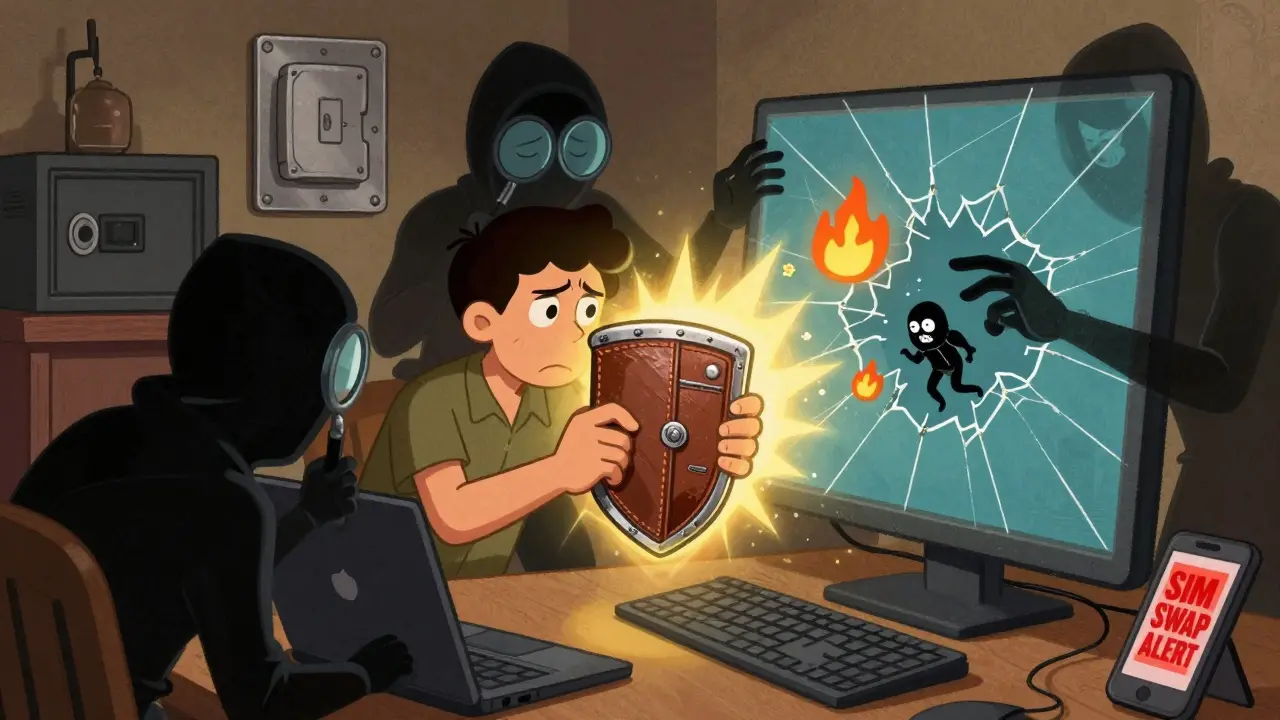
How to Secure Your Cryptocurrency Wallet: Essential Steps to Prevent Theft and Loss
Learn how to secure your cryptocurrency wallet with proven steps: use hardware wallets, never store seed phrases digitally, enable multi-sig, avoid public Wi-Fi, and revoke token approvals. Protect your crypto from theft and loss.
Read more