Unregulated Crypto Exchange: Risks, Real Examples, and What to Avoid
When you use an unregulated crypto exchange, a platform that operates without government oversight, KYC checks, or legal compliance. Also known as non-KYC DEX, it lets you trade crypto anonymously—but at a steep cost. There’s no safety net. No customer support. No insurance if things go wrong. And if the platform vanishes overnight, your money vanishes with it.
These platforms often hide behind the word "decentralized," but that doesn’t mean they’re safe. Take Oasis Swap, a DEX that shut down in 2021 with fake volume and abandoned users. Or MonoSwap v3, a zero-fee DEX on Blast with almost no liquidity and zero active traders. These aren’t edge cases—they’re warnings. Unregulated crypto exchanges thrive on hype, not reliability. They attract traders looking for anonymity, but they also attract scammers who build fake platforms, drain liquidity, and disappear.
Many of these platforms integrate with Telegram, promise instant access, and claim to be "trustless." But trustless doesn’t mean trustworthy. Ebi.xyz, a meme coin DEX tied to Telegram’s HOT Wallet, has no track record, no audit, and no accountability. If you send funds there, you’re gambling—not trading. And when you compare that to regulated platforms like Bitstamp, a European exchange with strict security and compliance, the difference is clear. One protects your assets. The other just takes them.
Why do people still use these platforms? Because they’re easy. No ID. No waiting. No questions. But that convenience comes with hidden dangers: frozen funds, rug pulls, and stolen seed phrases. The same tools that make DeFi powerful—smart contracts, non-custodial wallets—are also used to build traps. And when a project like Cashierest, a Korean crypto exchange that vanished in 2023 disappears, users have zero legal recourse. No regulator steps in. No bank reverses the transaction.
There’s a reason why countries like the EU enforce strict AML rules, requiring crypto businesses to verify every user and track transactions over €1,000. It’s not about control—it’s about survival. Unregulated crypto exchanges don’t just put your money at risk—they put the whole ecosystem at risk by enabling fraud and eroding trust.
What you’ll find below isn’t a list of recommendations. It’s a catalog of caution. Real platforms that failed. Real scams that tricked people. Real lessons from people who lost everything because they thought "no KYC" meant "no risk." If you’re thinking of using an unregulated crypto exchange, read these stories first. They’re not just warnings—they’re lifelines.
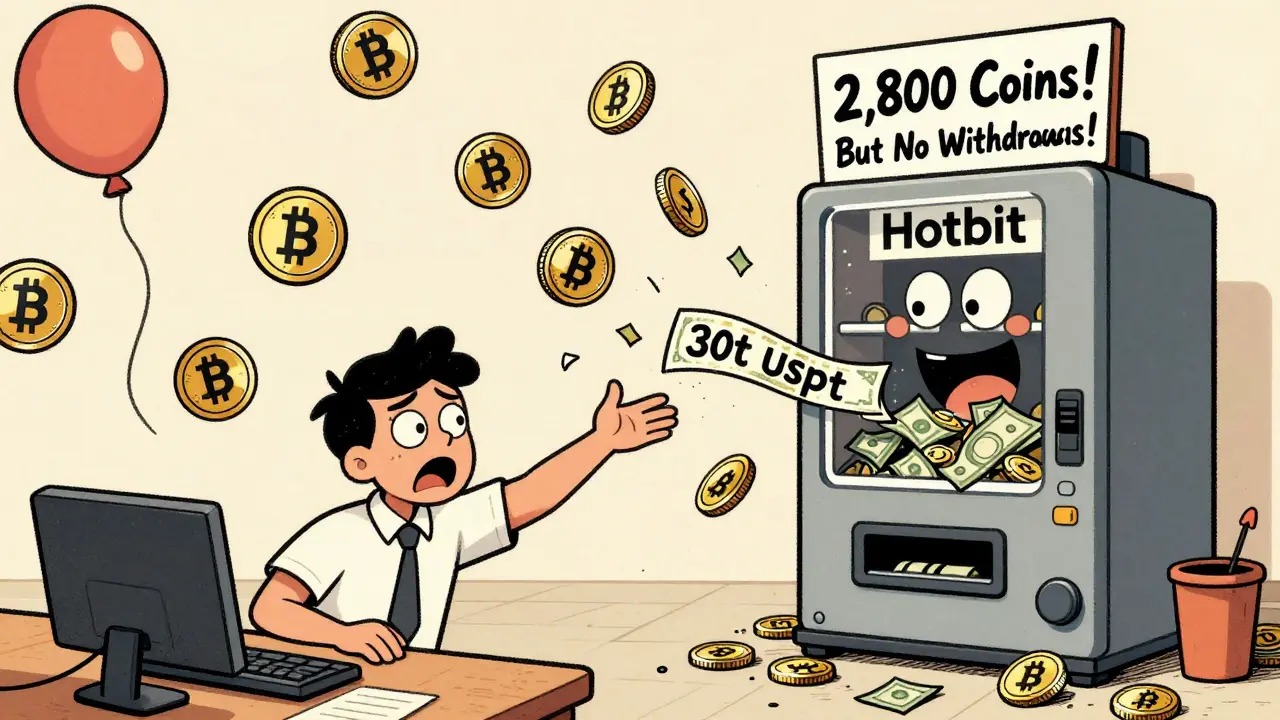
Hotbit Crypto Exchange Review: What Happened and Why You Should Avoid It
Hotbit crypto exchange shut down in 2023 after a criminal investigation and asset freeze. With 30 USDT withdrawal fees and no regulation, users lost funds with no recourse. Learn why you should avoid unregulated exchanges like Hotbit.
Read more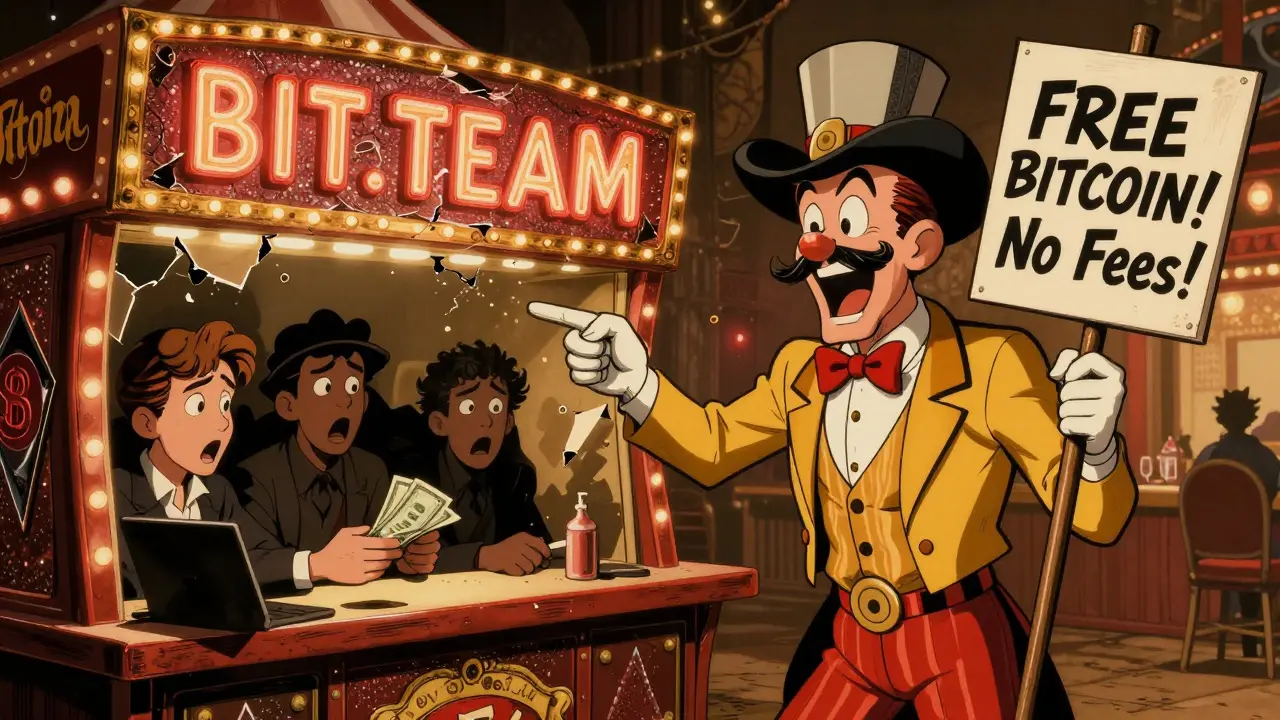
BIT.TEAM Crypto Exchange Review: Fees, Safety, and Real User Experience
BIT.TEAM claims zero-fee Bitcoin trading, but it's unregulated, lacks transparency, and has mixed user reviews. Is it safe? Here's what you need to know before using it.
Read more