Tag: cryptocurrency regulation

Russia Legalizes Crypto Mining to Bypass Sanctions: How It Works and Why It’s Limited
Russia legalized crypto mining to bypass Western sanctions, using state-backed stablecoins like A7A5 to move billions in trade. But blockchain transparency and market limits make it a flawed tool - not a replacement for the dollar.
Read more
Cuba Cryptocurrency Regulation: What’s Really Happening in 2025
Cuba doesn't ban cryptocurrency - it regulates it. Since 2021, Bitcoin and other digital currencies have been legal for payments, helping Cubans bypass U.S. sanctions and access global finance. Here's how it works in 2025.
Read more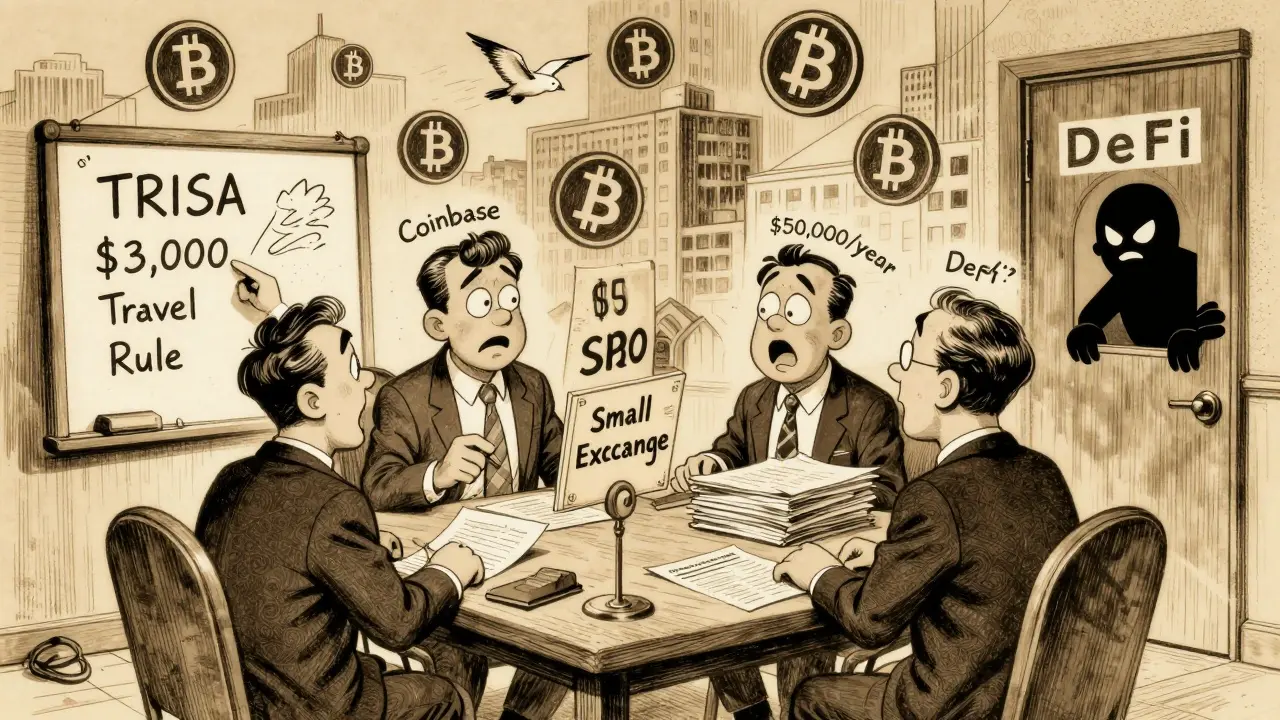
Self-Regulatory Organizations in Crypto: How Industry Groups Are Shaping Crypto Compliance
Self-regulatory organizations in crypto are industry-led groups setting compliance standards to fill gaps left by slow-moving governments. They tackle AML, the Travel Rule, and market integrity - but face challenges in enforcement, cost, and DeFi regulation.
Read more