Cryptocurrency: Real‑Time Insights and Practical Guidance
When talking about Cryptocurrency, digital assets secured by cryptography that enable peer‑to‑peer value transfer. Also known as crypto, it has reshaped finance, gaming, and media. Airdrop, a free token distribution method that projects use to build community and liquidity is one of the fastest ways newcomers get a taste of the space. DeFi, decentralized finance platforms that replace banks with smart contracts lets users earn, borrow, and trade without a middleman. Meanwhile, Regulation, government rules that define how crypto activities are monitored and taxed determines whether projects can grow openly or stay underground.
Why Market Cycles and Tokenomics Matter
Understanding Cryptocurrency market cycles is key for timing entries and exits. Historical data shows a four‑phase cycle: accumulation, uptrend, distribution, and correction – a pattern that repeats around halving events and institutional announcements. Tokenomics, the economic design of a token, including supply, distribution, and incentives directly shapes those cycles because it decides how many coins enter circulation and how rewards are allocated. A well‑crafted tokenomics model can smooth price swings, while a flawed one often fuels volatility. This relationship explains why airdrop structures (Crypto X gives free tokens to early users) are tightly linked to tokenomics, and why regulators keep a close eye on them.
Regulatory frameworks also dictate how DeFi projects operate. When a jurisdiction classifies a token as a security, the same token may need to follow KYC/AML rules, affecting its liquidity on decentralized exchanges. Tax regimes, like Brazil’s flat 17.5% rate or Switzerland’s custodial licensing, change the cost of holding assets and can shift investor behavior. Custody solutions offered by regulated banks provide an extra layer of security for institutional players, yet they often require compliance steps that limit the speed of DeFi participation.
For traders, real‑time price feeds, DEX swap tools, and on‑chain analytics are indispensable. Tracking live token prices helps spot arbitrage between centralized and decentralized venues, while monitoring gas fees informs the best time to move assets. DeFi yields, airdrop calendars, and regulatory news form a triad of signals that can boost returns when used together.
Below you’ll find a curated list of articles covering everything from the latest airdrop guides and Bitcoin bull‑run analysis to deep dives on DeFi protocols, regulatory outlooks, and tokenomics breakdowns. Dive in to sharpen your strategy, stay ahead of market moves, and make informed decisions in the fast‑changing world of cryptocurrency.

COREDAX Crypto Exchange Review: What You Need to Know in 2026
COREDAX is a regulated crypto exchange focused on the South Korean market. It offers strong security, zero trading fees, and Korean-language support - but only accepts KRW deposits via bank transfer. Not ideal for international users.
Read more
Imprisonment Penalties for Crypto Promotion in Egypt: What You Need to Know
Egypt imposes prison time and heavy fines for promoting cryptocurrency, despite millions using it. Learn the laws, risks, and reality behind the crackdown.
Read more
InfiBTC Crypto Exchange Review: What You Need to Know Before Trading
InfiBTC claims to be a crypto exchange, but there's no evidence it's legitimate. No audits, no team, no user reviews. This review exposes it as a scam and shows you how to spot fake exchanges before you lose your crypto.
Read more
RBI Banking Ban Reversal: What Changed for Crypto in India
After the RBI banned crypto banking in 2018, India's crypto market collapsed. Then the Supreme Court overturned the ban in 2020, restoring access to banks and sparking explosive growth. Here's what changed-and what's still at stake.
Read more
What is MBD Financials (MBD) crypto coin? Facts, risks, and why it's nearly worthless
MBD Financials (MBD) is a crypto token that promised a metaverse economy but now trades at 99.94% below its peak. With no usable platform, minimal liquidity, and zero community, it's one of the riskiest assets in crypto.
Read more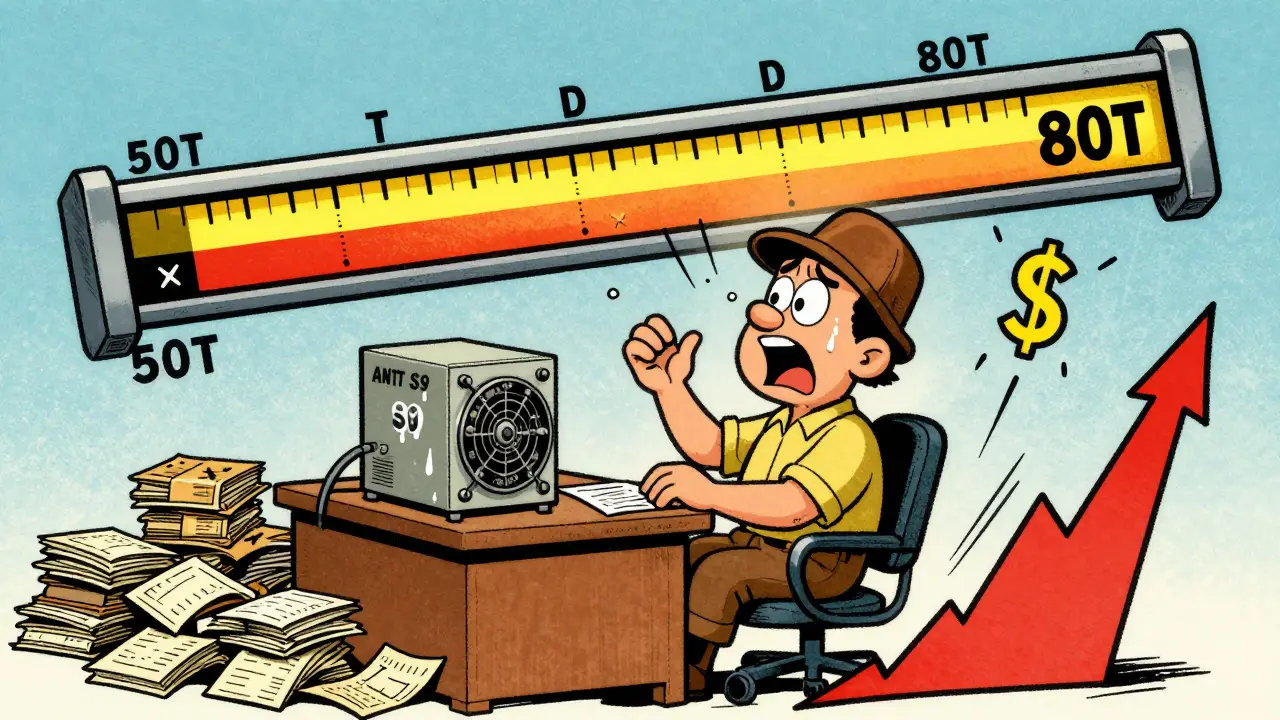
How Mining Difficulty Affects Bitcoin Miners' Profits and Survival
Mining difficulty directly controls how hard it is to earn Bitcoin rewards. As difficulty rises, miners need more power and better hardware to stay profitable - and most small operators get left behind.
Read more
How Mining Difficulty Affects Cryptocurrency Miners
Mining difficulty controls how hard it is to earn Bitcoin rewards. As difficulty rises, miners need more powerful hardware and cheaper electricity to stay profitable - pushing small operators out and centralizing mining power.
Read more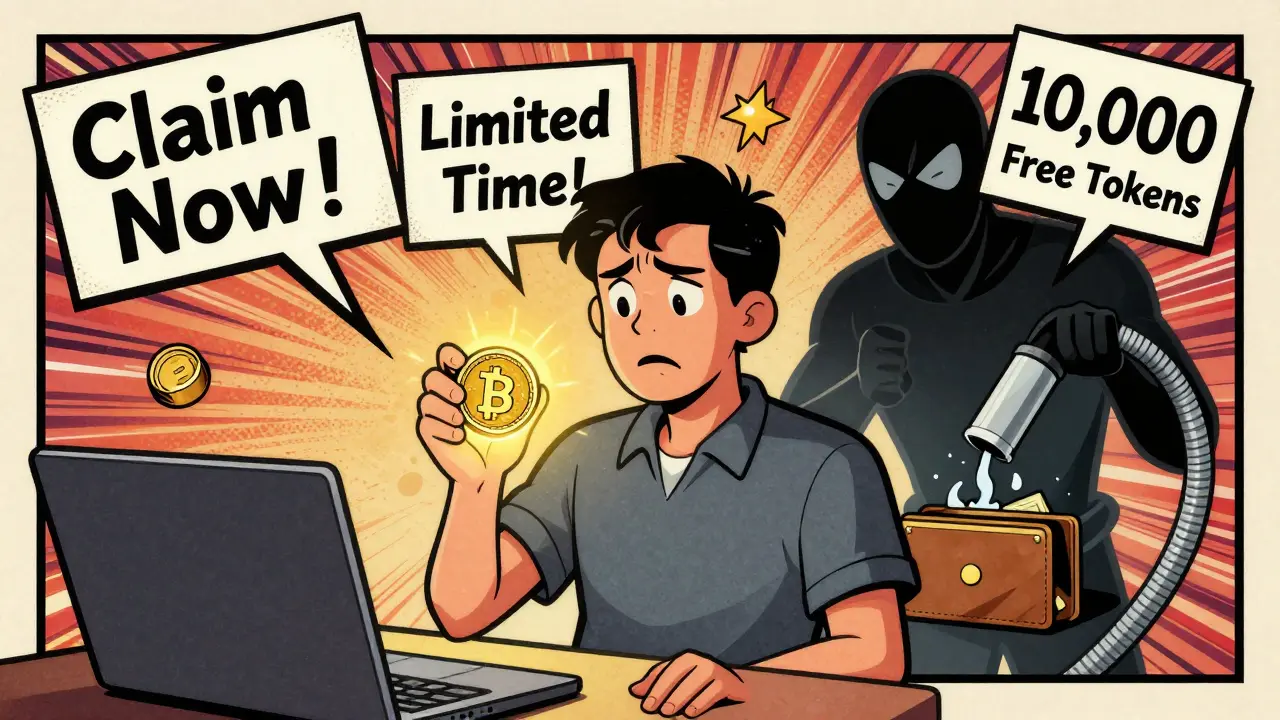
NFTP Airdrop by NFT TOKEN PILOT: What We Know (and What We Don’t)
No official NFTP airdrop by NFT TOKEN PILOT exists. This article breaks down why it's a scam, how fake airdrops work, and how to protect your wallet from phishing attacks in 2026.
Read more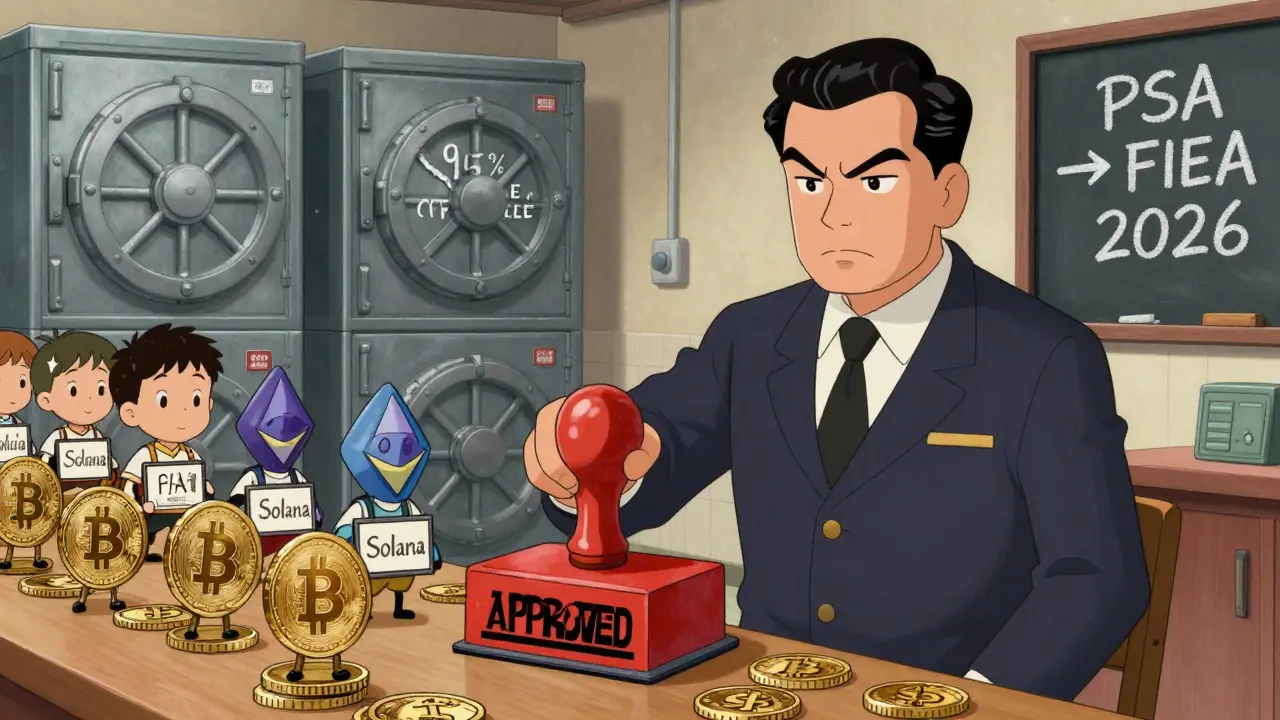
Japan's Cryptocurrency Regulation Model: How Japan Leads the World in Crypto Oversight
Japan's crypto regulation model is the most mature in the world, combining strict licensing, cold storage rules, and now securities law integration. With 12 million users and a planned tax reform, it's setting the global standard.
Read more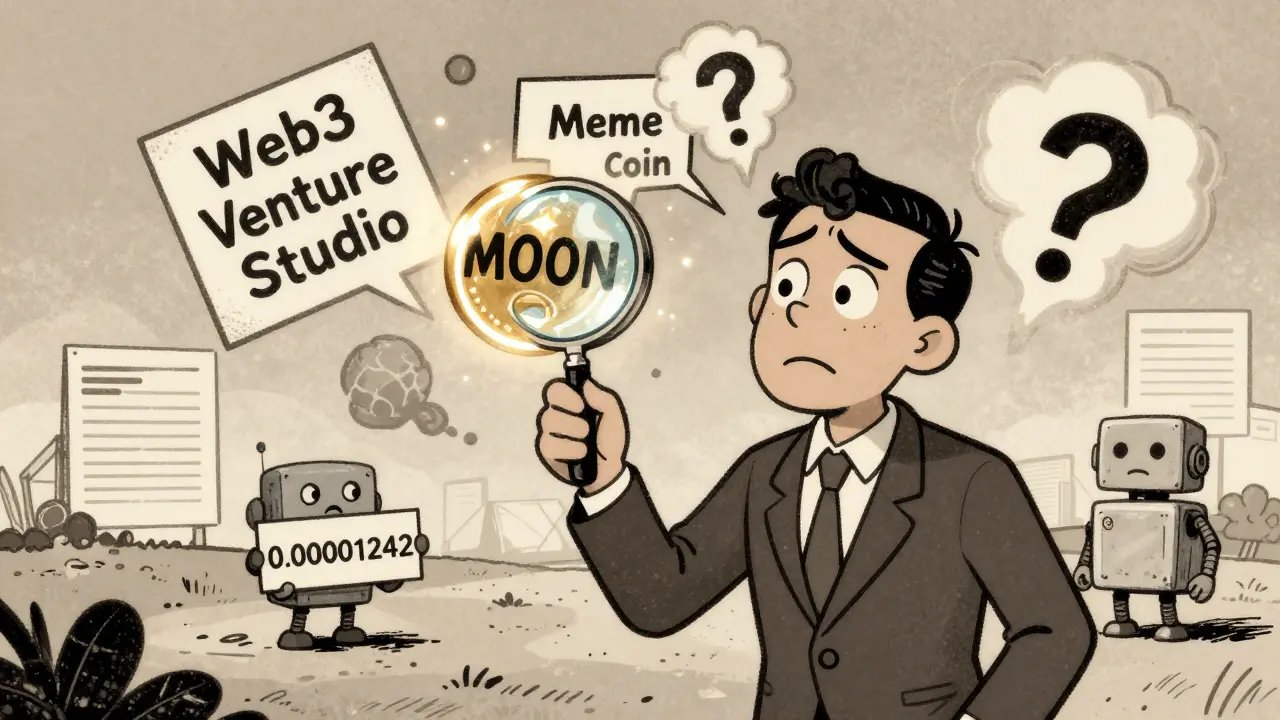
What is Black Unicorn Corp. (MOON) crypto coin?
Black Unicorn Corp. (MOON) is a low-liquidity cryptocurrency with conflicting claims - presented as both a Web3 venture studio and a meme coin. With near-zero trading volume, no verifiable team, and zero real projects, it's a high-risk speculative asset with little to no utility.
Read more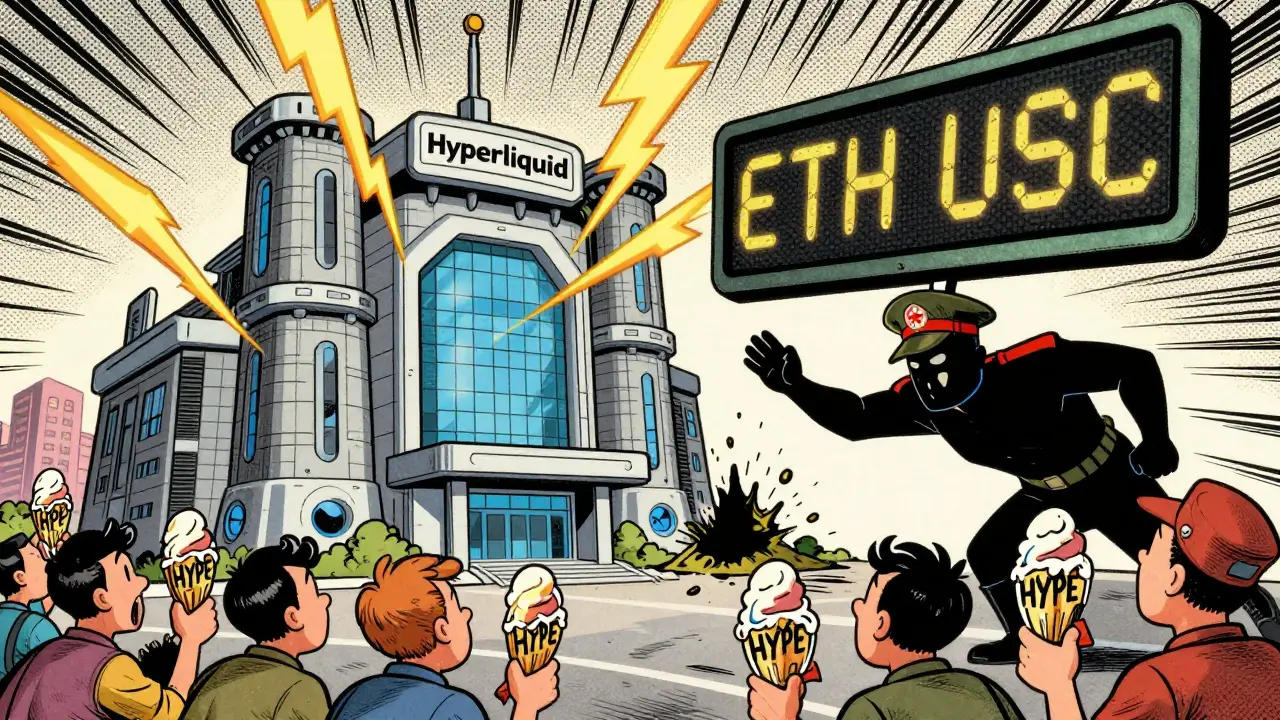
Hyperliquid Crypto Exchange Review: Speed vs Security in Decentralized Trading
Hyperliquid offers fast decentralized trading but suffered a $700K hack by North Korean hackers in 2024. With centralized validators and no reimbursement policy, it's risky for users. Learn why security matters more than speed in crypto exchanges.
Read more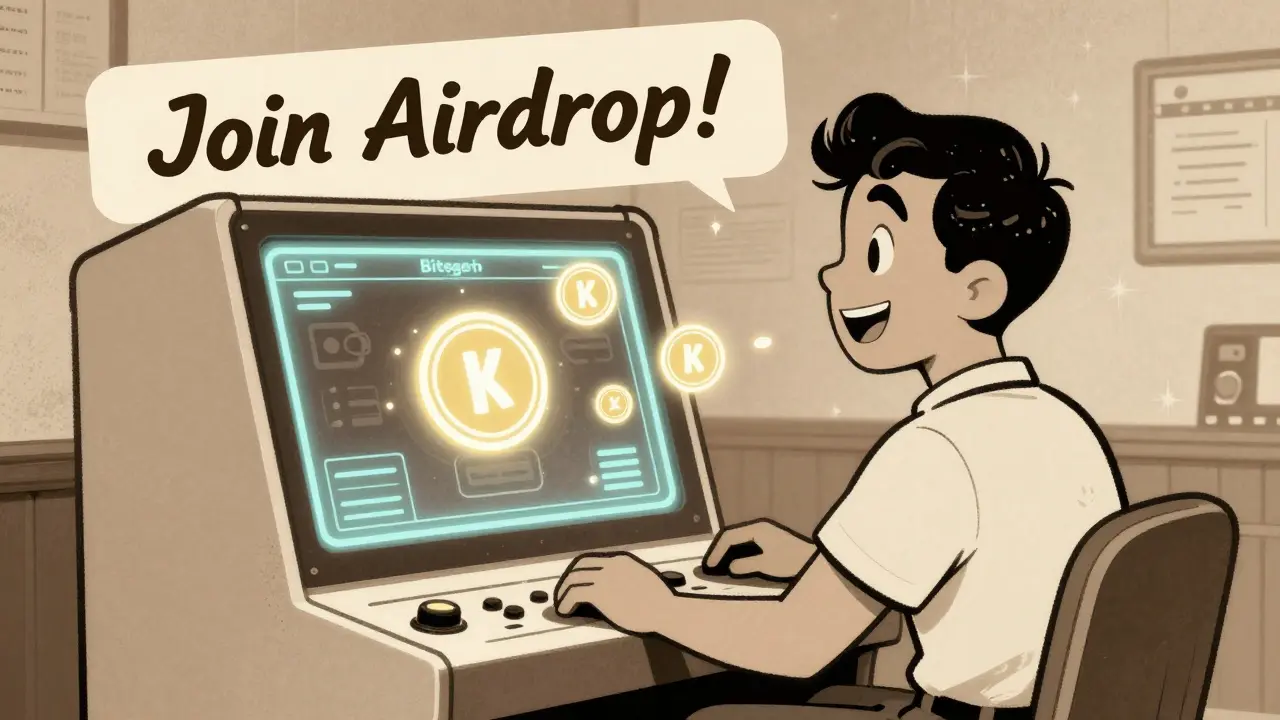
KABY Arena Campaign Airdrop: How to Join and What You Can Earn
Join the KABY Arena airdrop on Bitget to earn free KABY tokens by playing a turn-based NFT game with no upfront cost. Learn how to join, what rewards you can earn, and where to trade your tokens.
Read more