Category: Blockchain - Page 3
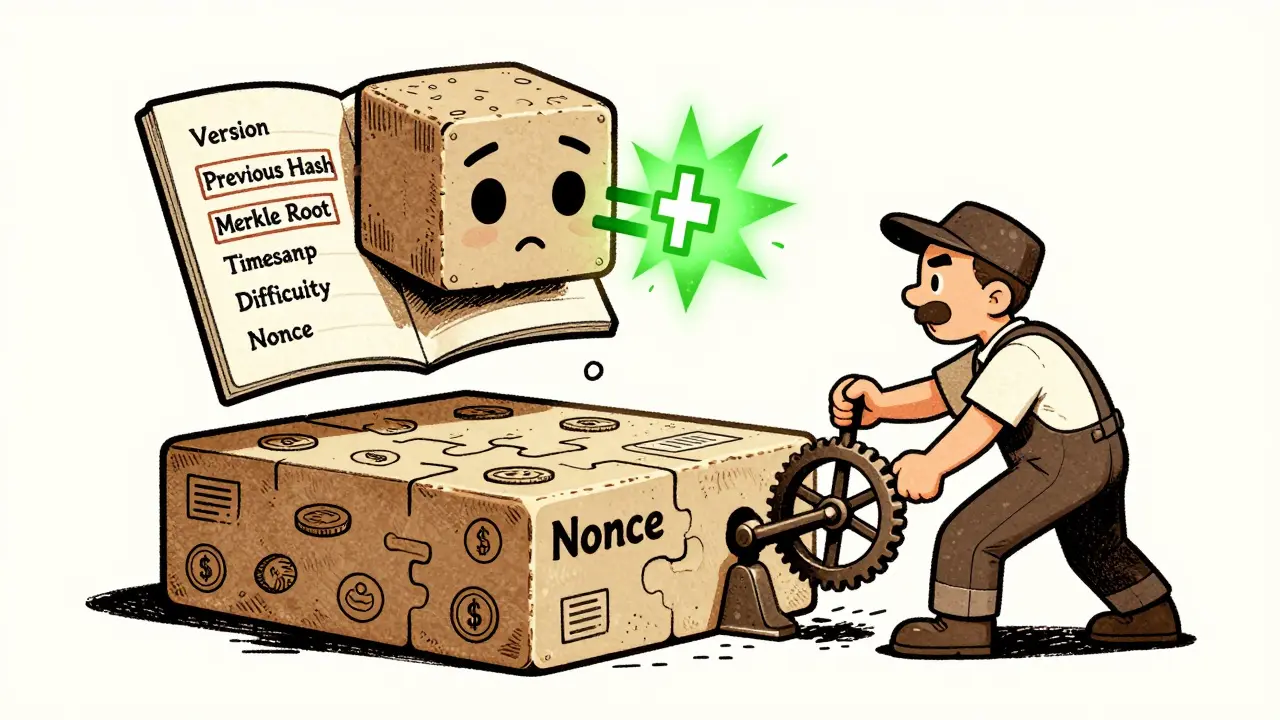
Block Headers vs Block Body in Blockchain: What They Do and Why It Matters
Block headers and block bodies work together to secure blockchain networks. The header ensures integrity through cryptography, while the body stores transactions. This split makes blockchain scalable, verifiable, and tamper-proof.
Read more
Spot Market Liquidity and Execution in Blockchain Trading
Spot market liquidity determines how easily you can buy or sell crypto at fair prices. High liquidity means tight spreads and fast execution. Low liquidity leads to slippage and bad fills. Learn how to trade spot markets like a pro.
Read more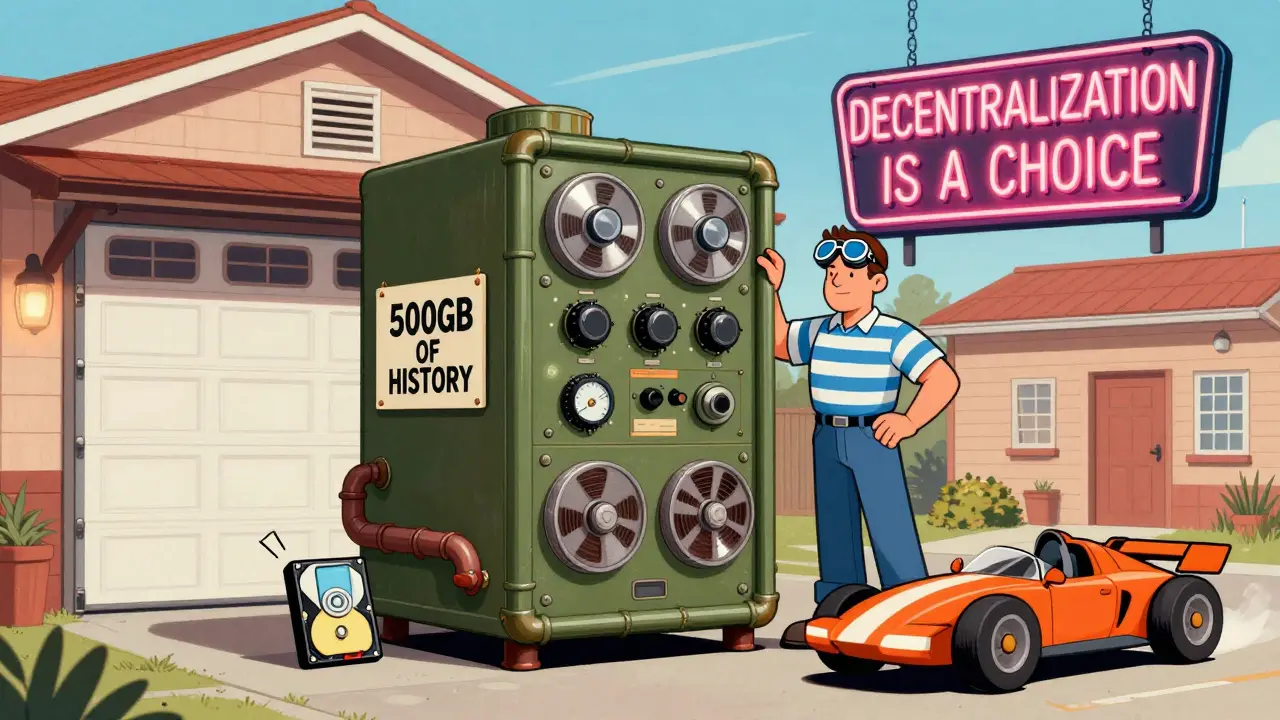
Node Requirements for Different Blockchain Networks: Bitcoin, Ethereum, Solana Compared
Bitcoin, Ethereum, and Solana have wildly different node requirements. Learn what hardware you need to run a full node on each network-and why it matters for decentralization.
Read more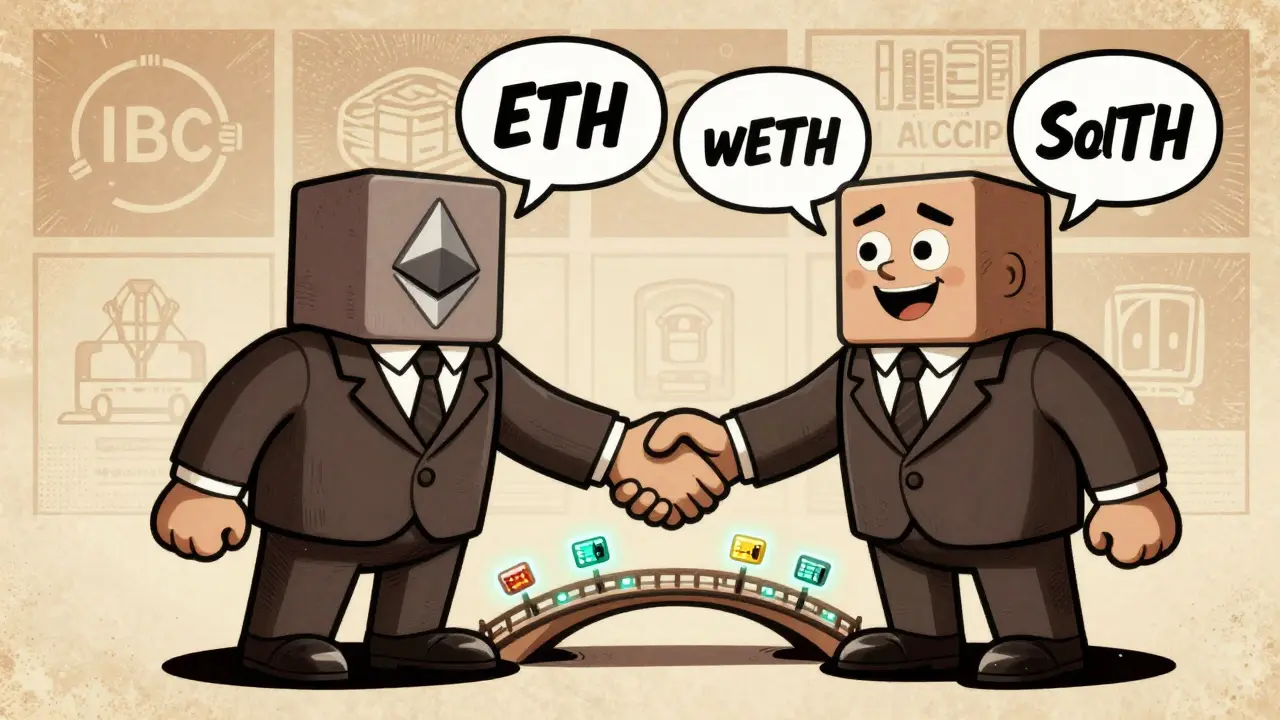
Interoperability Protocols and Standards in Blockchain
Interoperability protocols and standards enable blockchains to communicate securely and meaningfully. Learn how IBC, CCIP, and ERC-6551 are building a connected web3 - and why most bridges fail.
Read more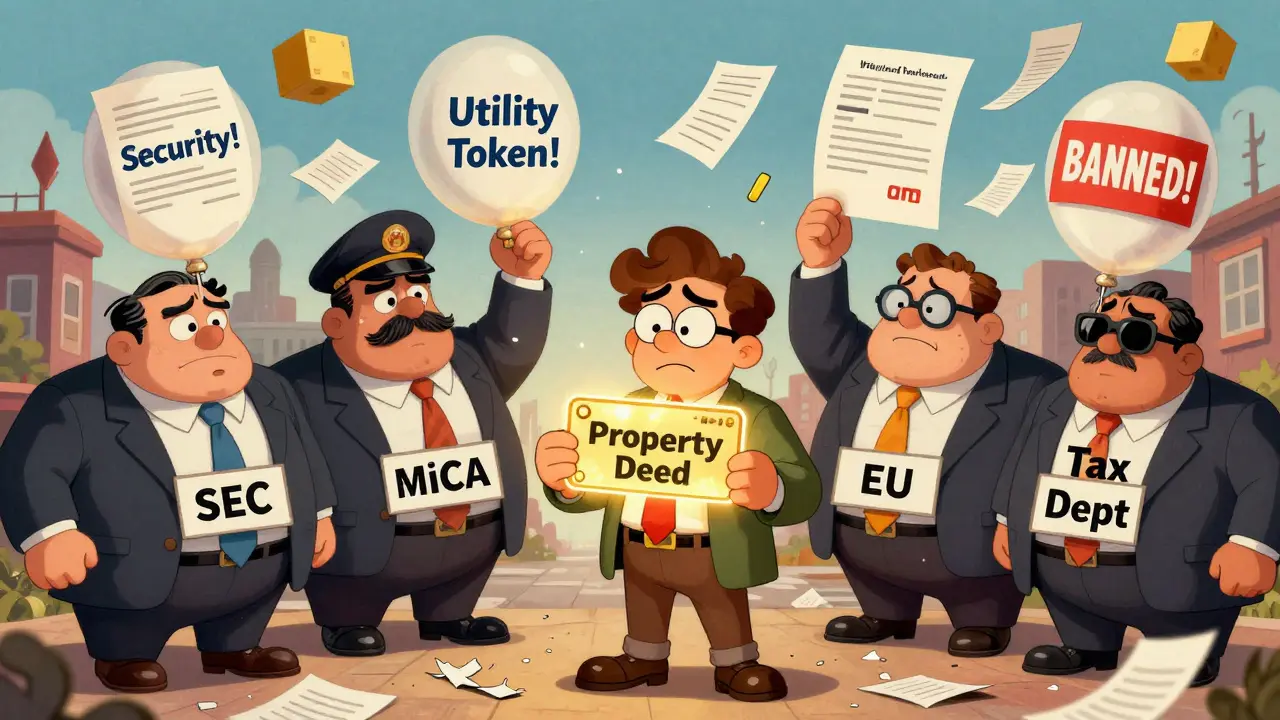
Regulatory Challenges for Real Estate NFTs
Real estate NFTs offer faster, cheaper property transactions-but regulatory chaos across countries is holding them back. From SEC crackdowns to conflicting EU laws, here’s what’s really stopping mainstream adoption.
Read more
Real Estate Security Tokens Explained: How Blockchain Is Changing Property Ownership
Real estate security tokens let investors buy fractional ownership in properties via blockchain. They're regulated digital securities, not cryptocurrencies, offering access to high-value assets with as little as $100. Learn how they work, who uses them, and why compliance is everything.
Read more
What Are Music NFTs? A Simple Guide to Owning Digital Music on the Blockchain
Music NFTs let you own digital music like a rare collectible, not just stream it. Artists earn more, fans get perks, and ownership is proven on the blockchain. Here's how they work and why they matter.
Read more
Smart Contracts for Property Sales: How Blockchain Is Changing Real Estate Transactions
Smart contracts for property sales use blockchain to automate ownership transfers, cut costs by up to 50%, and reduce closing times from weeks to days. Learn how they work, their benefits, limitations, and real-world use cases.
Read more
What Are Blockchain Oracles? A Clear Guide to How They Connect Smart Contracts to the Real World
Blockchain oracles connect smart contracts to real-world data like prices, weather, and flight statuses. Learn how they work, why they're essential, and how Chainlink dominates the market.
Read more
Blockchain Healthcare Data Security: How Decentralized Ledgers Are Transforming Medical Privacy
Blockchain healthcare data security gives patients full control over their medical records using encrypted, decentralized ledgers. It prevents breaches, eliminates errors, and automates compliance - transforming how health data is stored, shared, and trusted.
Read more
Bitcoin vs Ethereum Block Time Comparison: Speed, Security, and Real-World Impact
Bitcoin blocks take 10 minutes; Ethereum blocks take 12 seconds. This difference shapes everything from transaction speed to app development. Learn why both exist and how they serve different needs.
Read more
How Blockchain Technology is Revolutionizing Industries
Blockchain is transforming industries by enabling secure, transparent, and automated systems without middlemen. From finance to healthcare and energy, real-world applications are cutting costs, speeding processes, and rebuilding trust.
Read more